
- Home
- Treatments
- Diabetes
Salivary Gland
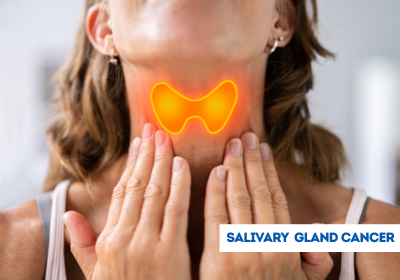
Salivary gland cancer is a rare malignancy that develops in the salivary glands, which produce saliva to aid digestion and keep the mouth moist. These glands include the parotid, submandibular, and sublingual glands, as well as minor glands throughout the mouth and throat. Cancer occurs when cells grow uncontrollably and may invade surrounding tissues if untreated. With EdhaCare, international patients can access salivary gland cancer treatment in India, Turkey, Thailand, Dubai, and other countries, under the direction of doctors providing precise, safe, and patient-focused care.
Who Requires Salivary Gland Cancer Treatment?
Anyone with malignant tumors of the salivary glands requires treatment. You should visit a doctor if you experience:
- A swelling or lump close to your neck, jaw, or mouth
- Recurring pain in the face or mouth
- Numbness or weakness of one side of the face
- Difficulty swallowing
- Recurring dry mouth
Physicians advise treatment depending on the tumor’s type, size, and location and whether the cancer has spread to other parts.
Types of Salivary Gland Cancer Treatment Procedure
There are a few treatment options, and your doctor may choose one alone or in combination depending on your case. The treatment option usually contains the following.
Surgery
This is the most frequently used treatment. The surgeon removes the tumor and surrounding tissue to keep the cancer from spreading. If needed, they will also remove the lymph nodes from the neck.
Radiation Therapy
X-rays or other forms of radiation are used at high energy levels to destroy cancer cells or inhibit their growth. It is usually employed following surgery to eliminate any remaining cancer cells.
Chemotherapy
Cancer cells are killed by anti-cancer drugs. Chemotherapy is rarely the initial treatment but can be used in advanced cases or where the cancer is widespread.
Targeted Therapy
They are newer medications that specifically target the molecules responsible for the development of cancer. This treatment is still in the study phase but is effective in some patients.
Pre-Treatment Evaluation and Diagnostics
Before treatment, your healthcare team will conduct a comprehensive evaluation. These tests allow physicians to know the nature and extent of the cancer and include the following:
- Physical examination and history of symptoms
- Imaging tests such as MRI, CT scan, and PET scan
- Biopsy
- Fine Needle Aspiration (FNA) for less invasive or more reachable tumors
- Blood tests
This assessment guarantees the treatment plan is correct and specific to your condition.
Selection and Planning Before Salivary Gland Cancer Treatment
Planning is done with a panel of experts that includes head and neck surgeons, oncologists, radiologists, and pathologists. The team takes into account a number of factors:
- Tumor type and grade
- Size and position of the tumor
- Age and overall health of the patient
- Spread of cancer to adjacent tissues or lymph nodes
According to these results, the treatment is planned by the team in a way that results in maximum chances of success with minimal complications.
Salivary Gland Cancer Treatment Process
Here is an example of what a typical treatment path might be:
- Hospital Admission: Depending on the diagnosis, the patient is admitted into a cancer care facility.
- Surgical Procedure: If a surgical procedure is undertaken, it can last for a few hours. If large tumors or tumors adjacent to nerves are involved, the procedure is more intricate.
- Radiation or Chemotherapy: Radiation therapy is usually initiated within a couple of weeks following surgery. If chemotherapy is part of the plan, it will follow a specific cycle.
- Monitoring and Follow-Up: Scans and blood work are regularly performed to monitor the effectiveness of therapy and recovery.
Risks & Possible Complications of Salivary Gland Cancer Treatment
Similar to any medical process, treating salivary gland cancer entails certain risks:
- Facial nerve damage: Surgery in the area of the parotid gland can impair facial movement.
- Infection and bleeding: These are routine surgical risks.
- Dry mouth and swallowing problems: Frequent after radiation.
- Fatigue and nausea: Frequently associated with chemotherapy.
- Scarring and cosmetic changes: Especially if surgery involves facial areas.
However, with advanced technology and experienced specialists, these risks can be minimized.
What to Expect After Salivary Gland Cancer Treatment?
Recovery and experience after treatment vary depending on the type and extent of the procedure. Most patients need to stay in the hospital for a few days after surgery. You might experience:
- Mild pain or discomfort
- Swelling around the surgical site
- Changes in taste or dry mouth
- Temporary weakness of facial muscles (in a few cases)
Physicians usually suggest speech or swallowing therapy to facilitate recovery.
Post-Treatment Recovery & Long-Term Care
Healing is a slow process and needs frequent follow-up. Here’s what post-treatment care usually includes:
- Physiotherapy and facial exercises
- Speech and swallowing therapy if required
- Dental care, as radiation may impact oral health
- Nutritional support to preserve strength and immunity
- Regular check-ups every few months to identify any recurrence
Emotional counseling and support are also needed, as cancer treatment can be emotionally as well as physically draining.
Salivary Gland Cancer Treatment Success Rate in India
Salivary gland cancer treatment success rates have been on the rise in India, particularly if cancer is diagnosed early. On average the 5-year survival rate for early-stage salivary gland cancer is more than 70%. Through early diagnosis and leading treatment, most patients go on to lead a full and healthy life after treatment. India’s best cancer hospitals employ advanced technology and adhere to international standards.
Salivary Gland Cancer Treatment Cost in India
India is famous for providing world-class cancer care at one-tenth the cost of Western nations. On average:
| Type of Treatment | Cost |
| Surgery | USD 4,000 – USD 8,000 |
| Chemotherapy (per cycle) | USD 1,000 – USD 1,200 |
| Radiation Therapy (per session) | USD 3,800 – USD 4,200 |
| Targeted Therapy (per cycle) | USD 1,500 – USD 2,000 |
Expenses can differ depending on the city, hospital, and complexity of treatment. Package deals are also available in most hospitals. These package deals cover hospitalization, tests, surgery, and post-surgery care.
Documents Required for Patients Traveling to India for Salivary Gland Cancer Treatment
For international patients looking for salivary gland cancer treatment in India, it is necessary to present certain documentation to have a smooth medical journey. These include:
- Valid Passport: Valid for a minimum of six months after the date you travel.
- Medical Visa (M Visa): Granted by the Indian Embassy/Consulate on medical grounds.
- Invitation Letter from Indian Hospital: A formal letter explaining the course of treatment and how long it will last.
- Recent medical records: X-rays, MRIs, blood tests, and a referral note by a doctor in the home country.
- Completed visa application form: With passport-size photographs according to specifications.
- Proof of means: Bank statements dated in the past few months or health insurance.
- Medical Attendant visa: Needed for a companion or caregiver traveling with the patient.
It is advisable to refer to the Indian consulate or your medical facilitator for the latest information and help with documentation.
Why Choose India for Salivary Gland Cancer Treatment?
India is one of the favorite destinations for treating cancer due to:
- Highly competent doctors and surgeons with international training
- Advanced hospitals with state-of-the-art facilities
- Low-cost treatment packages
- English-speaking doctors and hospital staff
- No waiting lists
- Facilities for international patients with visa assistance, translators, and housing support
Top Salivary Gland Cancer Specialists in India
Some of the top salivary gland cancer specialists in India are:
- , Fortis Memorial Research Institute, Gurgaon
- , Nanavati Max Super Speciality Hospital, Mumbai
- Dr. K.K. Handa, Medanta Hospital, Gurgaon
- , Apollo Cancer Institute, Chennai
- , Nanavati Max Super Speciality Hospital, Mumbai
These specialists have years of experience and are well renowned for having high success rates for complex head and neck cancers.
Best Hospitals for Salivary Gland Cancer Treatment in India
India has some of the world’s best cancer hospitals. Some top recommendations are:
These institutions have the latest diagnostic and treatment technologies, seasoned experts, and top-notch post-treatment care.
Edhacare: Trusted Medical Tourism Company for Salivary Cancer Treatment in India
Salivary gland cancer treatment requires specialized doctors and advanced medical facilities. EdhaCare, a trusted medical tourism company for salivary gland cancer in India, helps international patients access leading hospitals. With a transparent salivary gland cancer treatment cost in India, patients can select the most suitable salivary gland cancer treatment package. Through its complete medical tourism package for salivary gland cancer treatment, EdhaCare provides visa support, travel coordination, hospital care, and comfortable recovery stay.
Frequently Asked Questions on Salivary Cancer
1. Is salivary gland cancer treatable?
Yes, particularly if discovered early. The cure rate is very high with surgery and adjuvant treatment.
2. How long will recovery be following surgery?
Recovery may take 2 to 4 weeks, depending on the degree of surgery and if additional therapies are required.
3. Is there a possibility of cancer recurrence following treatment?
There’s a minimal chance of recurrence. Early follow-ups facilitate early detection and control.
4. Will I require speech therapy following treatment?
It varies with the site of surgery. Speech or swallowing therapy may be of benefit to some patients.
5. Are international patients easily treated in India?
Yes. Several medical tourism facilitators like EdhaCare assist with visa and travel, accommodation, treatment planning, language translators, and other amenities.