- Home
- Treatments
- Diabetes
Robotic Heart Bypass Surgery
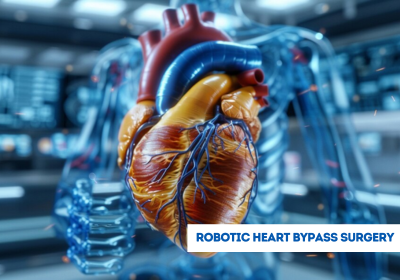
Robotic heart bypass surgery is a minimally invasive procedure to restore blood flow in patients with coronary artery disease. Unlike traditional open-heart surgery, it uses robotic arms controlled via a computer console for precise surgery. Get robotic heart bypass surgery India, Turkey, Thailand, and Dubai for advanced cardiac care. Patients often search for a doctor for robotic heart bypass surgery in India. EdhaCare assists with hospital selection, cost estimates, appointments, and full support.
Who Needs Robotic Heart Bypass Surgery Treatment?
Robotic heart bypass surgery is apt for patients with Coronary Artery Disease (CAD). These patients have blocked or narrowed arteries that restrict blood flow to the heart. It is effective for patients with low to medium risk and who may benefit from a minimally invasive surgical approach due to different constraints (like age, diabetes, and others). This surgery reduces recovery time, causes less pain, and has fewer complications than traditional open-heart surgeries.
Estimated Cost of Robotic Heart Bypass Surgery
Below are approximate estimated costs for robotic heart bypass surgery in India, Turkey, Thailand, and Dubai:
| Country | Approximate Cost |
|---|---|
| India | $15,000 – $35,000 |
| Turkey | $25,000 – $50,000 |
| Thailand | $30,000 – $55,000 |
| Dubai | $35,000 – $70,000 |
Note: The above costs of robotic heart bypass surgery are only estimates and may vary based on procedure complexity, number of grafts, hospital facilities, and clinic selection. Reach out to EdhaCare for the exact robotic heart bypass surgery cost and personalized guidance.
Top Hospitals in India for Robotic Heart Bypass Surgery
EdhaCare features the top hospitals in India for robotic heart bypass surgery, helping you find the best hospitals for robotic heart bypass surgery in India equipped with advanced robotic surgical systems, experienced cardiothoracic teams, and comprehensive cardiac care for minimally invasive bypass procedures.
| Hospital Name | Location |
|---|---|
| Fortis Hospital | Delhi |
| Apollo Hospital | Chennai |
| Max Super Speciality Hospital | Delhi |
| Manipal Hospital | Bangalore |
| Nanavati Max Super Speciality Hospital | Mumbai |
Top Doctors in India for Robotic Heart Bypass Surgery
Connect with top doctors in India for robotic heart bypass surgery through EdhaCare. These specialists are recognized among the best doctors for robotic heart bypass surgery in India, offering expert guidance and advanced robotic techniques to ensure safe, precise, and effective bypass outcomes.
| Doctor Name | Hospital Name | Location |
|---|---|---|
| Dr. Naresh Trehan | Medanta Hospital | Gurugram |
| Dr. Asim Kr Bardhan | Apollo Hospital | Kolkata |
| Dr. Upendra Kaul | Batra Hospital | Delhi |
| Dr. Cyrus B Wadia | Jaslok Hospital | Mumbai |
| Dr. Prashanth Kr. Ghosh | Apollo Hospital | Delhi |
Types of Robotic Heart Bypass Surgery Procedures
There are different types of robotic heart bypass surgery. However, the one that doctors choose depends on the patient’s condition. Some of them include:
- Totally Endoscopic Coronary Artery Bypass (TECAB): This involves multiple small incisions in the chest area. There is no need to open the chest through surgery.
- Robotic-Assisted Minimally Invasive Direct Coronary Artery Bypass (MIDCAB): The surgeon uses a robotic arm to make a small hole in the chest area.
- Hybrid Coronary Revascularization: This procedure combines angioplasty and robotic bypass procedures, along with stenting. It is far better than open heart surgery because it ensures less pain, lower infection rates, faster recovery, and minimal scarring.
Pre-Surgery Evaluation and Diagnostics
Patients have to go through a detailed pre-surgery evaluation and diagnostics before their robotic heart bypass surgery. Some of the main tests include:
- Echocardiogram
- ECG
- Stress Tests
- Coronary angiography
Based on these pre-surgical tests, the surgeons select the right candidates for the procedure. There are various factors that a surgeon needs to consider before choosing an indication. These include:
- Patients’ age
- Health assessment through different pre-surgical tests
- Coexisting health-related conditions
- Location of the arterial blockage
Selection and Surgical/Procedure Planning
Here are some aspects worth noting in this regard.
Patient Selection Criteria
- Optimal for patients with single coronary artery blockages.
- Appropriate for those with good cardiac function and overall stable health.
- It is helpful for elderly, obese, or diabetic patients because of less trauma.
- This is not ideal for patients with multiple occluded vessels or a history of chest surgeries.
Diagnostic Assessments
- Detailed evaluation by ECG, echocardiography, coronary angiography, and CT scans.
- Imaging to identify the precise location and extent of arterial blockages.
- Decides on suitability for robotic access and the type of procedure.
Multidisciplinary Team Participation
- Multidisciplinary interaction between cardiologists, cardiac surgeons, anesthesiologists, and radiologists.
- Shared decision-making on patient management and procedural approach.
Surgical Planning
- Deciding on the type of procedure to choose among (TECAB, Robotic MIDCAB, or Hybrid Revascularization.
- Choice of best entry points for robotic instruments using small incisions.
- Planning intraoperative and robotic system setup.
Contingency Planning
- Readiness for conversion to open-heart surgery in the event of complications.
- Strategies are in place for minimizing risks for safe performance.
Patient Preparation
- Counseling for procedure information, advantages, complications, and postoperative expectations.
- Pre-operative fasting, medication modification, and lifestyle counseling are also imparted.
Robotic Heart Bypass Surgery Procedure
Robotic heart bypass surgery procedure includes the following steps.
Preoperative Preparation
- The patient is put under general anesthesia.
- Heart activity and vital signs are constantly observed during the procedure.
- The patient is positioned to provide the best access for the chest.
Port Placement
- Multiple small incisions (typically 1–2 cm) are made in the chest wall.
- Special ports are inserted via these incisions to act as the robotic instruments’ access points.
Robotic System Setup
- The surgeon performs the procedure from an adjacent console using high-definition 3D images.
- Robotic arms, guided by the surgeon, grasp instruments with great precision and flexibility.
Internal Visualization
- A small camera (endoscope) gives a close-up view of the operating area.
- This allows improved visibility compared to conventional open-heart surgery.
Bypass Graft Harvesting
- Either the internal mammary artery or a saphenous vein is harvested with robotic support.
- This graft will be utilized for bypassing the occluded coronary artery.
Conducting the Bypass
- The robotic arms sew the graft into the coronary artery to reopen the circulation.
- The heart can keep on beating (off-pump surgery) throughout the surgery.
Completion and Closure
- Robotic devices are removed.
- Wounds are closed with less scarring.
- The patient is moved to recovery for monitoring.
Risks & Potential Complications of Robotic Heart Bypass Surgery
There are several risk factors associated with robotic heart bypass surgery that both patients and surgeons need to be careful about. Some of these include:
- Infections can occur at the incision sites or internally.
- There can be bleeding during or after the surgery, although this is less likely to happen.
- Heart attacks are probable, although unlikely.
- Irregular heart rhythms can occur during surgery.
- There are very rare cases when the surgery may have to be done traditionally by opening the heart.
- There is very little chance of the equipment not working properly, although this aspect also has to be considered before the surgery.
- Blood clots can be formed, which may lead to embolism.
What to Expect After Robotic Heart Bypass Surgery?
Here are some insights on what you can expect after the surgery.
- After robotic heart bypass surgery, patients remain in the Intensive Care Unit (ICU) under close observation for 24 to 48 hours.
- As the procedure is minimally invasive, patients usually feel less pain than in conventional surgery.
- Most patients can walk the day following surgery, improving circulation and quicker recovery.
- Hospitalization is typically 3 to 5 days.
- During this period, patients have to take medication as directed.
- They also have to do breathing exercises and light physical activity to aid recovery and minimize post-surgery complications.
Post-Surgery Recovery & Long-Term Care
- Recovery from robotic heart bypass surgery is usually faster and less painful compared to conventional open-heart surgery.
- The patients are usually able to return to normal activities within 2 to 3 weeks.
- Long-term management comprises regular follow-up appointments to observe the health of the heart.
- Other recovery procedures include following a heart-healthy diet, regular exercise, and stress management.
- Anti-blood pressure, cholesterol, or anti-clotting medicines play a crucial role.
- Cardiac rehabilitation programs are also undertaken in such cases.
Robotic Heart Bypass Surgery Treatment Success Rate in India
Robot-assisted heart bypass surgery in India has a success rate of over 95%, with the help of cutting-edge technology and expert cardiac surgeons. Best hospitals in key cities utilize the latest robotic equipment, so the procedure is carried out with precision and the least invasiveness. This leads to fewer complications, shorter hospitalization, and quicker recovery.
Patients have the advantage of excellent postoperative treatment and follow-up schemes that also improve results. The low cost of treatment and availability of world-class medical talent in India make India the destination of choice for this cutting-edge cardiac surgery.
Cost of Robotic Heart Bypass Surgery in India
Robotic heart bypass surgery in India offers a cost-effective alternative for patients seeking advanced cardiac care. The price typically ranges from USD 8,000 to USD 15,000, significantly lower than in many Western countries. These procedures utilize cutting-edge technology to enhance precision and reduce recovery time. Additionally, India has well-trained medical professionals and world-class facilities that attract international patients. Overall, the affordability combined with high-quality care makes this option appealing for those in need of heart surgery.
Why Choose India for Robotic Heart Bypass Surgery Treatment?
There are several reasons why one should choose India for robotic heart bypass surgery. Some of these include:
- India has some of the best surgeons to operate on people.
- This country has some of the best hospitals in the world, which use state-of-the-art technologies to operate with precision.
- Getting treatments from India is less expensive than in other countries.
- India has achieved the milestone of the first robotic cardiac telesurgery in the world, and also the first North-to-South robotic cardiac telesurgery.
- Indian healthcare providers are revolutionizing remote surgical interventions with the SSI Mantra system and enabling access to advanced cardiac care for everyone.
Required Documents for Patients Traveling to India for Robotic Heart Bypass Surgery
For international patients planning to undergo robotic heart bypass surgery in India, certain documents are required to ensure a hassle-free medical trip. These include:
- Valid Passport: Must be valid for at least six months from the date of travel.
- Medical Visa (M Visa): Issued by the Indian Embassy/Consulate based on medical necessity.
- Invitation Letter from Indian Hospital: A confirmation from the hospital outlining the treatment plan and duration.
- Recent Medical Records: Including X-rays, MRIs, blood reports, and a doctor’s referral from the home country.
- Completed Visa Application Form: Along with passport-size photographs as per specifications.
- Proof of Financial Means: Recent bank statements or health insurance coverage.
- Medical Attendant Visa: Required for a companion or caretaker traveling with the patient.
It’s recommended to consult the Indian consulate or your medical facilitator for updated guidelines and assistance with documentation.
Top Robotic Heart Bypass Surgery Specialists in India
Some of the top Robotic Heart Bypass Surgeons in India include:
- , Medanta Hospital, Gurgaon
- , Batra Hospital & Medical Research Centre, Delhi
- , Jaslok Hospital, Mumbai
- , Apollo Gleneagles Hospital, Kolkata
- , Apollo Health City Hospital, Hyderabad
Best Hospitals for Robotic Heart Bypass Surgery Treatment in India
Some of the best hospitals for Robotic Heart Bypass Surgery Transplants include the following;
Frequently Asked Questions (FAQs)
What is robotic heart bypass surgery?
It is a minimally invasive coronary artery bypass surgery with robotic arms, which creates smaller incisions, less pain, quicker recovery, and accurate surgical results.
Who is a good candidate for robotic heart bypass surgery?
Individuals with single-artery blockages, stable cardiac function, and low-to-moderate risk for surgery, such as the elderly or diabetic patients, are generally ideal candidates for this minimally invasive technique.
How long is the recovery from robotic heart bypass surgery?
2 to 3 weeks is typical for recovery, which is quicker than with conventional surgery, enabling a faster return to normal activities with proper rehabilitation and care.
Are there any risks involved with robotic heart bypass surgery?
Yes, risks are bleeding, infection, abnormal heart rhythms, stroke, and infrequent requirements for conversion to open surgery, although the overall risk is less than that of traditional techniques.
What is the life expectancy after robotic heart bypass surgery?
The average life expectancy is 18 years or more. It is a major operation, and most people make a good recovery, provided there are no post-surgery complications.