
- Home
- Treatments
- Diabetes
Rastelli Procedure
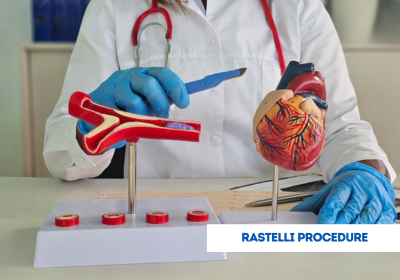
The Rastelli procedure treats complex congenital heart defects by redirecting blood flow and restoring normal circulation, improving cardiac function. The surgery is performed under general anesthesia, with an incision in the chest to access the heart. Many international patients choose India, Turkey, Thailand, and Dubai for expert care. Patients often search for a doctor for Rastelli procedure in India. EdhaCare assists with hospital selection, cost estimates, appointments, and full support.
About Rastelli Procedure
Rastelli operation, a cardiac surgery named after Dr. Giancarlo Rastelli, addresses complex heart defects like transposition of the great arteries. This intricate Rastelli procedure redirects blood flow, using conduits to reroute it to the correct chambers, enhancing oxygenation. Surgeons create new pathways, allowing oxygen-rich blood to reach the body while redirecting oxygen-depleted blood to the lungs. The meticulous reconstruction of the heart’s anatomy during Rastelli procedure aims to optimize circulation, often offering a life-changing solution for congenital heart conditions. This innovative Rastelli procedure revolutionized treatment for complex cardiac anomalies, significantly improving outcomes and quality of life for many patients.
The Rastelli Surgery is a surgical technique designed to correct specific congenital heart defects known as ventriculoarterial discordance, ventricular septal defect (VSD), and pulmonary stenosis. These defects involve abnormal connections between the ventricles (lower heart chambers) and great arteries, resulting in a mixing of oxygenated and deoxygenated blood.
Rastelli procedure success rates vary based on the patient’s specific diagnosis, but this is generally considered a low-risk procedure. Many children go on to lead relatively normal lives, though they might need to avoid strenuous competitive sports. Surgically implanted conduits and valves can wear out or develop problems over time, so your child might eventually need another surgery to repair or replace the conduit and/or valve.
Rastelli Procedure – Estimated Cost
The cost of the Rastelli procedure varies depending on the complexity of the congenital heart defect. Below are approximate estimated costs for the Rastelli procedure in India, Turkey, Thailand, and Dubai:
| Country | Approximate Cost |
|---|---|
| India | $20,000 – $40,000 |
| Turkey | $35,000 – $60,000 |
| Thailand | $40,000 – $70,000 |
| Dubai | $50,000 – $80,000 |
Note: The above costs of the Rastelli procedure are only estimates. Reach out to EdhaCare for the exact Rastelli procedure cost and personalized guidance.
Best Hospitals in India for Rastelli Procedure
EdhaCare highlights the top hospitals in India for Rastelli procedure, guiding you to the best hospitals for Rastelli procedure in India that offer advanced pediatric cardiac surgery, experienced cardiothoracic teams, and comprehensive care for complex congenital heart defects.
| Hospital Name | Location |
|---|---|
| Fortis Hospital | Delhi |
| Apollo Hospital | Chennai |
| Max Super Speciality Hospital | Delhi |
| Manipal Hospital | Bangalore |
| Nanavati Max Super Speciality Hospital | Mumbai |
Best Doctors in India for Rastelli Procedure
Connect with top doctors in India for Rastelli procedure through EdhaCare. These specialists are recognized among the best doctors for Rastelli procedure in India, providing expert surgical care and personalized treatment plans to ensure safe and successful outcomes.
| Doctor Name | Hospital Name | Location |
|---|---|---|
| Dr. Naresh Trehan | Medanta Hospital | Gurugram |
| Dr. Asim Kr Bardhan | Apollo Hospital | Kolkata |
| Dr. Upendra Kaul | Batra Hospital | Delhi |
| Dr. Cyrus B Wadia | Jaslok Hospital | Mumbai |
| Dr. Prashanth Kr. Ghosh | Apollo Hospital | Delhi |
Procedure of Rastelli Procedure
The Rastelli procedure is a high complex cardiac surgery used to treat certain congenital heart defects, particularly complex cases of transposition of the great arteries, ventricular septal defect, and overriding aorta. This surgical technique involves rerouting the blood flow and creating a pathway (conduit) to redirect oxygenated and deoxygenated blood to the appropriate chambers of the heart. The procedure aims to correct the structural abnormalities, allowing for more normalized blood circulation and addressing the defects within the heart’s anatomy.
Anesthesia and Incision: The Rastelli procedure is performed under general anaesthesia. A midline incision is made in the chest to access the heart and surrounding structures.
Cardiopulmonary Bypass: The patient is connected to a heart-lung machine, which temporarily takes over the function of the heart and lungs during the Rastelli surgery. The machine maintains blood circulation and oxygenation while the heart is stopped to perform the Rastelli procedure.
VSD Closure: The ventricular septal defect (VSD) is closed using a patch made of synthetic material or the patient’s own tissue. This closure separates the ventricles, preventing the mixing of oxygenated and deoxygenated blood.
Reconstruction of Outflow Tract: The surgeon creates a pathway for blood flow from the right ventricle to the pulmonary artery. This is accomplished by placing a conduit or a valve between the right ventricle and the pulmonary artery in Rastelli Surgery.
Reestablishment of Aortic Flow: A connection is made between the left ventricle and the aorta to redirect oxygenated blood from the left side of the heart to the body’s systemic circulation.
Closure and Recovery: After completing the necessary repairs during Rastelli Surgery, the surgeon carefully examines the repaired structures and ensures proper blood flow. The heart is gradually rewarmed, and the heart-lung machine is disconnected. The incision is closed using sutures or surgical staples, and the patient is transferred to the intensive care unit for monitoring and recovery.
Follow-up Care: Regular follow-up visits are essential to assess the patient’s recovery and monitor their cardiac function. These visits include imaging studies, such as echocardiograms, to evaluate the repaired structures and ensure optimal blood flow and heart function.