
- Home
- Treatments
- Diabetes
Myocardial Bridge Treatment
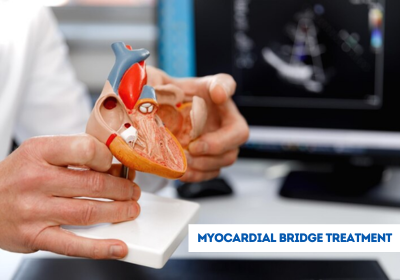
Myocardial bridge is a condition where a segment of a coronary artery tunnels through the heart muscle, reducing blood flow during heartbeats. Treatment aims to relieve symptoms and restore normal heart function. Many international patients choose India, Turkey, Thailand, and Dubai for advanced care. Patients often search for a doctor for myocardial bridge treatment in India. EdhaCare assists with hospital selection, cost estimates, appointments, and full support.
About Myocardial Bridge Treatment
Treatment of Myocardial Bridge Surgery depends on the severity of symptoms, the extent of coronary artery compression, and the impact on heart function. The main goal is to relieve the compression and restore adequate blood flow to the affected coronary artery.
Myocardial Bridge Treatment – Estimated Cost
Below are approximate estimated costs for myocardial bridge treatment in India, Turkey, Thailand, and Dubai:
| Country | Approximate Cost |
|---|---|
| India | $2,000 – $15,000 |
| Turkey | $5,000 – $25,000 |
| Thailand | $6,000 – $30,000 |
| Dubai | $8,000 – $35,000 |
Note: The above costs of myocardial bridge treatment are only estimates and may vary based on the type of management, hospital facilities, and clinic selection. Reach out to EdhaCare for the exact myocardial bridge treatment cost and personalized guidance.
Top Hospitals in India for Myocardial Bridge Treatment
Here are the best hospitals for myocardial bridge treatment in India, selected by EdhaCare to guide you to top hospitals in India for myocardial bridge treatment offering advanced cardiac care, expert cardiologists, and state-of-the-art facilities for accurate diagnosis and effective management.
| Hospital Name | Location |
|---|---|
| Fortis Hospital | Delhi |
| Apollo Hospital | Chennai |
| Max Super Speciality Hospital | Delhi |
| Manipal Hospital | Bangalore |
| Nanavati Max Super Speciality Hospital | Mumbai |
Top Doctors in India for Myocardial Bridge Treatment
Here are the best doctors for myocardial bridge treatment in India, carefully selected by EdhaCare to provide expert guidance and personalized care. Connect with top doctors in India for myocardial bridge treatment who use advanced diagnostic and treatment techniques to ensure safe and effective outcomes.
| Doctor Name | Hospital Name | Location |
|---|---|---|
| Dr. Naresh Trehan | Medanta Hospital | Gurugram |
| Dr. Asim Kr Bardhan | Apollo Hospital | Kolkata |
| Dr. Upendra Kaul | Batra Hospital | Delhi |
| Dr. Cyrus B Wadia | Jaslok Hospital | Mumbai |
| Dr. Prashanth Kr. Ghosh | Apollo Hospital | Delhi |
Symptoms of Myocardial Bridge:
- Chest Pain: Often sharp or pressure-like pain in the chest, especially during exercise or stress.
- Shortness of Breath: Difficulty breathing, especially during physical activities.
- Palpitations: Sensation of rapid or irregular heartbeats.
- Fatigue: Feeling unusually tired or weak, even with minimal exertion.
- Dizziness: Lightheadedness or fainting, especially during physical activity.
- Sweating: Excessive sweating, particularly during episodes of chest pain or discomfort.
Causes of Myocardial Bridge:
- Genetic Factors: A hereditary condition where the coronary artery is covered by heart muscle due to genetic mutations.
- Developmental Anomaly: An abnormality in how the coronary artery and heart muscle develop during fetal growth.
- Vascular Abnormalities: Abnormalities in the structure or function of the blood vessels that lead to the formation of a myocardial bridge.
- Mechanical Factors: Increased pressure or stress on the coronary artery that can cause it to become covered by heart muscle.
- No Known Cause: In some cases, the exact cause of the myocardial bridge may not be clear or identifiable.
Procedure of Myocardial Bridge Treatment
Medications: In mild cases of myocardial bridge Surgery with minimal symptoms, medications may be prescribed to alleviate symptoms and manage associated conditions such as high blood pressure or high cholesterol. Medications can help control symptoms and improve overall heart health.
Lifestyle Modifications: Making certain lifestyle changes can support myocardial bridge treatment. These may include adopting a heart-healthy diet, engaging in regular physical activity, maintaining a healthy weight, managing stress, and avoiding tobacco and excessive alcohol consumption. These modifications can reduce the workload on the heart and promote cardiovascular health.
Interventional Procedures:
a. Percutaneous Coronary Intervention (PCI): In cases where medication and lifestyle modifications are insufficient, PCI may be performed. During this procedure, a thin tube (catheter) is inserted into the affected coronary artery, and a small balloon is inflated to compress the myocardial bridge, widening the artery and improving blood flow. In some cases, a stent (a mesh-like tube) may be placed to keep the artery open and prevent future narrowing.
b. Surgical Myotomy: In severe cases of myocardial bridge that do not respond to medication or PCI, surgical intervention may be necessary. The surgeon makes an incision in the heart muscle over the myocardial bridge and relieves the compression by cutting or removing a portion of the muscle. This procedure allows the coronary artery to freely supply blood to the heart muscle.Follow-up Care: After myocardial bridge treatment, regular follow-up appointments are essential to monitor the patient’s condition, assess treatment efficacy, and make any necessary adjustments to medication or lifestyle modifications. Continued cardiac rehabilitation and long-term management of associated conditions are important for maintaining heart health.