
- Home
- Treatments
- Diabetes
Mitral Valve Repair
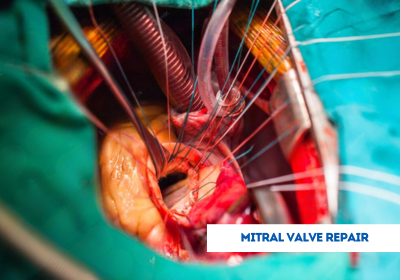
The mitral valve controls blood flow between the left atrium and left ventricle. Mitral valve repair or replacement corrects a leaking or narrowed valve. Repair is preferred when possible due to lower risks and better outcomes. Surgery can be open heart or minimally invasive, depending on the condition. Many international patients choose India, Turkey, Thailand, and Dubai for expert care. Patients often search for a doctor for mitral valve surgery in India. EdhaCare assists with hospital selection, cost estimates, appointments, and full support.
About Mitral Valve Repair
Mitral Valve Repair – Estimated Cost
The cost of mitral valve repair varies depending on the surgical technique (open-heart repair, minimally invasive repair, or robotic-assisted), hospital facilities, surgeon expertise, and post-operative care. Below are approximate estimated costs for mitral valve repair in India, Turkey, Thailand, and Dubai:
| Country | Approximate Cost |
|---|---|
| India | $8,000 – $25,000 |
| Turkey | $15,000 – $35,000 |
| Thailand | $18,000 – $40,000 |
| Dubai | $20,000 – $50,000 |
Note: The above costs of mitral valve repair are only estimates. Reach out to EdhaCare for the exact mitral valve repair cost and personalized guidance.
Top Hospitals in India for Mitral Valve Repair
Here are the best hospitals for mitral valve repair in India, selected by EdhaCare to guide you to top hospitals in India for mitral valve repair offering advanced cardiac surgery facilities, expert cardiothoracic teams, and comprehensive care for optimal heart function.
| Hospital Name | Location |
|---|---|
| Fortis Hospital | Delhi |
| Apollo Hospital | Chennai |
| Max Super Speciality Hospital | Delhi |
| Manipal Hospital | Bangalore |
| Nanavati Max Super Speciality Hospital | Mumbai |
Top Doctors in India for Mitral Valve Repair
Here are the best doctors for mitral valve repair in India, carefully selected by EdhaCare to provide expert guidance and personalized care. Connect with top doctors in India for mitral valve repair who use advanced surgical techniques to ensure safe, effective, and long-lasting repair outcomes.
| Doctor Name | Hospital Name | Location |
|---|---|---|
| Dr. Naresh Trehan | Medanta Hospital | Gurugram |
| Dr. Asim Kr Bardhan | Apollo Hospital | Kolkata |
| Dr. Upendra Kaul | Batra Hospital | Delhi |
| Dr. Cyrus B Wadia | Jaslok Hospital | Mumbai |
| Dr. Prashanth Kr. Ghosh | Apollo Hospital | Delhi |
Conditions are treated with mitral valve repair:
Mitral valve repair is used to treat conditions that affect the mitral valve’s function, often involving issues like leakage or narrowing
- Mitral Valve Regurgitation: This condition occurs when the mitral valve doesn’t close properly when blood flow goes in the wrong direction into the left artrium. It can also result in problems with breath or tiredness. Mitral valve repair can help to reduce or stop the backward flow of blood.
- Mitral Valve Stenosis: In this condition of Mitral Valve Stenosis, the mitral valve becomes narrowed, stopping blood flow from the left atrium to the left ventricle. Mitral Valve Stenosis can result conditions like rheumatic fever or calcium deposits. Mitral valve repair can widen the valve opening, improving blood flow.
- Mitral Valve Prolapse: In this condition mitral valve flaps bulge into the left atrium, which can cause blood to flow backward. Mitral Valve Repair can involve reshaping or reinforcing the valve leaflets to prevent backward blood flow.
- Degenerative Mitral Valve Disease: Age-related changes, such as weakening or thickening of the valve, can impair mitral valve function. Repair can make these changes, ensuring the valve opens and closes correctly.
Why is mitral valve repair done?
Mitral valve repair is done to resolve problems related to the mitral valve, which controls blood flow in the left side of the heart. When Mitral mitral valve is damaged or doesn’t work properly, it starts to flow in the wrong direction or makes it harder for blood to flow through the heart (stenosis). The symptoms of this issue are problems – breathing and irregular heartbeats. To manage the blood flow can improve heart function and can improve a healthier condition.
Benefits of Mitral Valve Repair
- Improved Heart Function: Mitral valve repair helps the heart work better, so you feel less tired and can breathe easier.
- Reduced Symptoms: Many people feel better after Mitral Valve Repair surgery, with less tiredness and fewer heart-related symptoms.
- Better Quality of Life: Repairing the valve can help you live more comfortably and stay active, without feeling breathless or uncomfortable all the time.
- Long-Term Solution: Repairing the natural valve usually lasts longer than replacing it, so you may need fewer surgeries in the future.
- Lower Risk of Complications: Compared to replacement, valve repair generally has a lower risk of complications like infection or blood clots.
Risks of Mitral Valve Repair
- Bleeding: Surgery can sometimes cause bleeding, especially if blood thinners are needed after the procedure.
- Infection: There’s a small risk of infection at the incision site or in the heart itself.
- Heart Rhythm Problems: Some people may experience irregular heartbeats, which may require medication or further treatment.
- Blood Clots: Clots can form after surgery, which can lead to serious issues like a stroke if not treated.
Valve Problems Over Time: In some cases, the repaired valve may need further treatment if issues recur.
Most people experience significant benefits from mitral valve repair, but it’s important to discuss all potential risks and benefits with your doctor to make an informed decision.
Procedure of Mitral Valve Repair
Before the Mitral Valve Repair Procedure
- Medical Evaluation: The doctor will perform a full medical checkup, including heart tests like echocardiograms, blood tests, and possibly a chest X-ray to understand the valve issue in detail.
- Pre-Surgery Preparations: Patient’ll meet with healthcare team to discuss the procedure and any risks. The healthcare team may advise patient to stop certain medications, avoid eating or drinking for a specific time, and arrange for someone to help you after surgery.
- Hospital Admission: Patient’ll arrive at the hospital on the day of the surgery or the night before, and a nurse will prepare you, often starting an IV line to give fluids and medications.
During The Mitral Valve Repair Procedure
- Anesthesia: Patient’ll receive general anesthesia in body, so Patient’ll be asleep and won’t feel any pain.
- Surgery Steps: The surgeon will open the mitral valve through a small incision in the chest or, in some cases, a minimally invasive technique. Doctor’ll repair the valve by reshaping, supporting, or repairing the valve tissue, ensuring it opens and closes properly.
- Closing Up: Once the valve is repaired, the surgeon will close the incision, and you’ll be moved to a recovery room.
After the Mitral Valve Repair Procedure
- Recovery Room: Right after Mitral valve repair surgery, Patient’ll be in a recovery room for monitoring as the anesthesia wears off. The medical team will check your heart rate, blood pressure, and oxygen levels.
- Hospital Stay: Most patients stay in the hospital for a few days, where they receive medications, pain management, and monitoring to prevent any complications.
- Home Recovery: Once home, follow-up visits with your doctor are important to track healing. You may need to take medications, avoid heavy lifting, and gradually build up your activity level as you recover.
- Cardiac Rehabilitation: Doctor might recommend cardiac rehab, a program of exercise and education to help strengthen your heart and improve overall health.