- Home
- Treatments
- Diabetes
Heart Bypass Surgery (CABG)
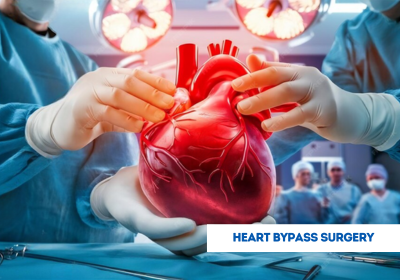
Heart bypass surgery, or coronary artery bypass grafting (CABG), treats blocked arteries that reduce blood flow to the heart. Many international patients access this heart bypass surgery in India, Turkey, Thailand, and Dubai for expert surgeons, advanced hospitals, and cost-effective care. Patients often search for a doctor for heart bypass surgery in India. EdhaCare assists with hospital selection, cost estimates, appointments, and complete support.
Heart bypass surgery is a major procedure that requires anesthesia and a hospital stay. After the procedure, patients will need to take medications to prevent blood clots and manage their blood pressure, as well as make lifestyle changes to improve their heart health, such as quitting smoking and following a heart-healthy diet and exercise plan.
India has many experienced and highly skilled cardiac surgeons who have been trained in some of the best medical institutions in the world. The hospitals in India are equipped with state-of-the-art facilities and modern technologies, which ensure that patients receive the best care possible.
Heart Bypass Surgery (CABG) – Estimated Cost
Below are approximate estimated costs for CABG surgery in India, Turkey, Thailand, and Dubai:
| Country | Approximate Cost |
|---|---|
| India | $8,000 – $25,000 |
| Turkey | $15,000 – $35,000 |
| Thailand | $18,000 – $40,000 |
| Dubai | $20,000 – $50,000 |
Note: The above costs of CABG surgery are only estimates and may vary based on the number of grafts, hospital facilities, and clinic selection. Reach out to EdhaCare for the exact heart bypass surgery cost and personalized guidance.
Top Hospitals in India for Heart Bypass Surgery (CABG)
Here are the best hospitals for heart bypass surgery (CABG) in India, selected by EdhaCare to guide you to top hospitals in India for heart bypass surgery (CABG) offering advanced cardiac surgery facilities, expert cardiothoracic teams, and comprehensive post-operative care for optimal recovery.
| Hospital Name | Location |
|---|---|
| Fortis Hospital | Delhi |
| Apollo Hospital | Chennai |
| Max Super Speciality Hospital | Delhi |
| Manipal Hospital | Bangalore |
| Nanavati Max Super Speciality Hospital | Mumbai |
Top Doctors in India for Heart Bypass Surgery (CABG)
Here are the best doctors for heart bypass surgery (CABG) in India, carefully selected by EdhaCare to provide expert guidance and personalized care. Connect with top doctors in India for heart bypass surgery (CABG) who use advanced surgical techniques to ensure safe, effective, and successful coronary artery bypass outcomes.
| Doctor Name | Hospital Name | Location |
|---|---|---|
| Dr. Naresh Trehan | Medanta Hospital | Gurugram |
| Dr. Asim Kr Bardhan | Apollo Hospital | Kolkata |
| Dr. Upendra Kaul | Batra Hospital | Delhi |
| Dr. Cyrus B Wadia | Jaslok Hospital | Mumbai |
| Dr. Prashanth Kr. Ghosh | Apollo Hospital | Delhi |
Reasons for Heart Bypass Surgery:
Heart bypass surgery, or CABG, becomes imperative whenever the coronary arteries that supply blood to the heart are narrowed or blocked due to plaque buildup and leading to the condition known as CAD (coronary artery disease).
- Severe Coronary Artery Disease (CAD): It causes serious restrictions of blood flow to the heart, resulting in chest pain (angina), plus it poses a risk for heart attack.
- Management of angina: When pharmacotherapy is inadequate to control severe angina or less invasive techniques, CABG may be indicated to improve blood flow and relieve pain.
- Prevention of heart attack: The patient who had a heart attack may be able to reduce the risk of having more attacks again by undergoing CABG to carve out new paths of blood flow when blockages increase.
- Multiple Blocked Arteries: CABG is usually done in cases where two or more coronary arteries have blockages or in cases when the left main coronary artery is narrowed significantly.
- Other Treatments Have Failed: If it is not possible to carry out angioplasty or it has been unsuccessful, CABG will most probably be necessary to restore people to adequate blood flow.
- Better Function of the Heart: In certain instances, CABG is undertaken in order to enhance the overall performance of the heart.
Types of Heart Bypass Surgery (CABG)
Variations exist in the method of doing heart bypass surgery. Below is a list of major features:
- Traditional Coronary Artery Bypass Grafting (CABG): An open-heart surgery classic means this procedure is done through a large chest cut to reach the heart and the patient will be connected to a heart-lung machine.
- Off-Pump Coronary Artery Bypass Surgery (OPCAB): This is simply beating heart surgery. In this procedure, the heart is still beating as special equipment is used to stabilize the surgical site without the heart-lung machine.
- Minimally Invasive Coronary Artery Bypass (MICAB): It has smaller incisions, which may potentially involve chest wall incisions or be robotic-assisted for benefits such as reduced pain and faster recovery.
Complications & Risks of Heart Bypass Surgery (CABG)
Indications for heart bypass surgery have to be further investigated. Such surgery is life-saving but contains risks related to individual health, age, and method. Here are the possible complications:
- Bleeding: Blood loss, which may necessitate the need for transfusions during or after surgery.
- Infection: Infections can develop at the wound site or in the chest..
- Heart Rhythm Problems (Arrhythmias): Irregular post-surgery heartbeats often need medication or treatment.
- Stroke: Although rare, stroke is a serious potential complication.
- Kidney Problems: Previously existing kidney disease may aggravate kidney function.
- Memory Loss or Cognitive Impairment: A few patients can also have temporary memory loss or problems with concentration.
- Blood Clots: May cause pulmonary embolism. Blood clots in the legs or lungs.
- Graft Failure: With time, the bypass grafts can occlude bringing about the need for other intervention.
- Reaction to Anesthesia: The member felt the incompatibility of anesthesia during the procedure.
- Heart Attack: Although the surgery itself is intended to prevent heart attacks, one may nonetheless occur during or after the procedure.
- Lung problems: Including Pneumonia or other respiratory issues.
Benefits of Heart Bypass Surgery (CABG)
Heart bypass surgery offers benefits to most patients suffering from severe coronary artery disease in the following ways. Here is some more detail about its basic advantages.
- A major benefit is the reduction of angina from increased blood flow to the heart.
- Symptoms are alleviated in bypass surgery, thereby improving the quality of life with greater energy reserves and more activity involvement.
- This surgery makes new blood roads around clogged arteries, allowing fresh oxygen to the muscles in the heart.
- To many patients, bypass surgery might mark a reduction in the risks of future heart attacks, especially among high-risk patients.
- In a few cases, such procedures would improve the efficiency with which the heart pumps blood.
- Some patients are usually quite good at surviving this surgery compared to merely treating them medically.
- Most patients find that they can resume much higher levels of physical activity after discomfort subsides.
Cost of Heart Bypass Surgery (CABG) in India
The estimated cost of heart bypass surgery in India typically ranges from $7,000 to $12,000 USD.
Factors Affecting Cost:
- Type of hospital (private or multispecialty)
- City and location of the hospital
- Surgeon experience and expertise
- Number of bypasses required
- Length of hospital stay
Note: The above cost is only an estimate. Reach out to for the exact heart bypass surgery cost in India.
Heart Bypass Surgery (CABG) Procedure
Heart bypass surgery, also known as coronary artery bypass grafting (CABG), is a surgical procedure used to treat coronary artery disease. Procedure to get Heart Bypass Surgery:
- Anesthesia: The patient is given general anesthesia to ensure they are unconscious and pain-free during the surgery.
- Incision: At the beginning of the surgery the surgeon makes an incision in the chest to access the heart.
- Harvesting a healthy blood vessel: A healthy blood vessel is taken from another part of the patient’s body, usually the leg or chest.
- Preparing the graft: The healthy blood vessel is then prepared for use as a bypass graft.
- Bypassing the blocked artery: The surgeon then grafts the healthy blood vessel onto the blocked artery to bypass the blockage and restore blood flow to the heart.
- Closing the incision: Once the bypass is complete, the surgeon will close the incision and place a drain to remove any excess fluid.
- Recovery: The patient will be closely monitored in the hospital for several days after the procedure, and will need to take medications to prevent blood clots and manage their blood pressure. They will also need to make lifestyle changes to improve their heart health, such as quitting smoking and following a heart-healthy diet and exercise plan.
Heart bypass surgery is a major procedure and carries certain risks, so it is important to discuss the potential risks and benefits with your doctor before making a decision.