
- Home
- Treatments
- Diabetes
Hair Transplant
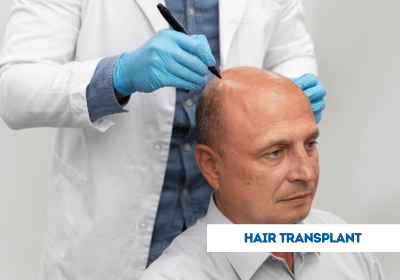
Using advanced techniques like FUE (Follicular Unit Extraction) and FUT (Follicular Unit Transplantation), this procedure helps regrow lost hair and boost confidence. EdhaCare helps international patients access hair transplant in India, Turkey, Thailand, and Dubai for safe, affordable, and natural-looking results. These countries are preferred destinations due to experienced surgeons, modern clinics, and cost-effective treatment packages. EdhaCare provides end-to-end support – from consultation and surgery to aftercare and follow-up. Patients from abroad often explore options with leading hair transplant doctors in India.
What is Hair Transplant?
A hair transplant is a cosmetic procedure that restores hair growth in bald or thinning areas by transplanting hair follicles from a donor site (usually the back or sides of the scalp). This minimally invasive surgery provides permanent, natural results and is suitable for both men and women suffering from hair loss due to genetics, aging, or hormonal changes.
There are Two Main Methods:
- FUT (Follicular Unit Transplantation): A strip of skin with hair is removed and then divided into smaller grafts.
- FUE (Follicular Unit Extraction): Individual hair follicles are taken out one by one and placed where needed.
Estimated Hair Transplant Cost
Below are approximate estimated costs for hair transplant in India, Turkey, Thailand, and Dubai:
| Country | Approximate Cost |
|---|---|
| India | USD 1,500 – 4,000 |
| Turkey | USD 2,500 – 5,500 |
| Thailand | USD 3,000 – 6,000 |
| Dubai | USD 4,500 – 8,000 |
Note: These costs for hair transplant are approximate. Contact EdhaCare for the exact hair transplant cost in India and personalized guidance.
Top-Rated Hospitals in India for Hair Transplant
Here are the best hospitals in India for hair transplant, recommended by EdhaCare to help you access the best hospitals for hair transplant in India equipped with modern facilities, advanced technology, and experienced surgical teams.
| Hospital Name | Location |
|---|---|
| Apollo Hospital | Delhi |
| Fortis Hospital | Gurugram |
| Max Super Speciality Hospital | Delhi |
| Kokilaben Dhirubhai Ambani Hospital | Mumbai |
| Manipal Hospital | Bengaluru |
Leading Doctors in India for Hair Transplant
Discover the best doctors in India for hair transplant, carefully selected by EdhaCare for their expertise and patient-focused care. Connect with the best doctors for hair transplant in India to receive safe, advanced, and personalized treatment.
| Doctor Name | Hospital Name | Location |
|---|---|---|
| Dr. Saurabh Kr. Gupta | Jaypee Hospital | Delhi |
| Dr. A.P Selvam | Apollo Hospital | Chennai |
| Dr. Devayani Barve Venkat | Nanavati Hospital | Mumbai |
| Dr. Manik Sharma | Artemis | Gurugram |
| Dr. Aditya Kanoi | AMRI | Kolkata |
Causes That May Require Hair Transplant
Doctors may recommend hair transplant in India for patients with:
- Male or female pattern baldness (androgenetic alopecia)
- Hair thinning due to hormonal or genetic factors
- Scarring from injury or previous surgeries
- Receding hairline or bald patches
- Loss of confidence due to visible hair loss
Early intervention ensures better results and long-lasting hair growth.
Symptoms or Conditions That Indicate the Need for Surgery
Patients seeking hair transplant surgery in India may experience:
- Noticeable hair thinning or patchy bald spots
- Receding hairline or crown baldness
- Lack of response to medical hair loss treatments
- Scalp visibility due to reduced hair density
A detailed evaluation helps determine candidacy and the most suitable transplant technique.
Diagnosis and Pre-operative Evaluation
Before undergoing hair transplant surgery in India, patients receive a detailed evaluation that includes:
- Scalp Examination: Assessing donor hair density and baldness pattern
- Medical History: Checking for hormonal imbalance or prior treatments
- Blood Tests: Ensuring overall health and suitability for surgery
- Treatment Planning: Selecting the best technique (FUE, FUT, or DHI)
- Goal Discussion: Aligning surgical outcomes with patient expectations
These steps ensure a safe, customized, and effective treatment plan.
Types of Hair Transplant
- FUT (Follicular Unit Transplantation)
- Also called the “strip method.”
- A small strip of skin with hair is removed from the back of the head.
- The strip is then divided into tiny grafts (each with a few hairs).
- These grafts are implanted into the bald areas.
- Leaves a fine scar at the donor site, but it can be hidden under existing hair.
- Good if a large number of grafts are needed in one session.
- FUE (Follicular Unit Extraction)
- Individual hair follicles are taken out one by one using tiny punches.
- The follicles are directly implanted into the bald areas.
- Leaves very tiny, dot-like scars that are almost invisible.
- Recovery is quicker compared to FUT.
- Often preferred by people who want minimal scarring and faster healing.
- DHI (Direct Hair Implantation)
- A more advanced version of FUE.
- Hair follicles are taken out one by one, but instead of making cuts or holes first, they are directly implanted using a special pen-like tool (called the Choi implanter).
- This allows more precision, better angle control, and higher survival of grafts.
- Healing is quick, and results look very natural.
- Robotic Hair Transplant
- Uses advanced robotic technology to assist in extracting and placing hair follicles.
- The robot helps improve accuracy and speed, especially in FUE procedures.
- Reduces human error and ensures even placement.
- Still not available everywhere and usually more expensive.
Hair Prosthesis Options
Type | Description |
Hair Systems / Wigs | Full or partial hairpieces made from natural or synthetic hair, attached to the scalp with clips, adhesive, or tape. |
Hair Weaving / Extensions | Hair strands are woven into existing hair to add volume or cover thinning areas. |
Toupees / Patch Hairpieces | Small hairpieces designed to cover specific bald spots, often custom-made. |
Scalp Micropigmentation (SMP) | A cosmetic tattoo technique that creates the illusion of hair on bald areas. |
Fiber Sprays / Topical Concealers | Temporary hair fibers or sprays that cling to existing hair to make it appear fuller. |
Treatment Procedure of Hair Transplant
The hair transplant procedure generally involves:
- Anesthesia: Local anesthesia is administered for comfort.
- Extraction: Hair follicles are carefully harvested from the donor area.
- Graft Preparation: Collected follicles are processed and preserved.
- Implantation: Follicles are implanted into thinning or bald areas following natural hairline patterns.
- Post-care: The scalp is cleaned and bandaged, and patients receive recovery instructions.
The procedure typically takes 4–8 hours, depending on the number of grafts required.
Post-Surgery Recovery and Long-Term Care
Time After Surgery | What to Expect |
1–3 Days | Mild swelling, redness, and scabbing around grafts. Some discomfort, but manageable with medication. |
1 Week | Most scabs start falling off. You can return to light daily activities. |
2 Weeks | Transplanted hairs may start shedding (normal part of the process). Scalp looks more healed. |
1 Month | Shedding continues; scalp looks normal, but no visible new growth yet. |
2–3 Months | New hair starts to grow slowly, thin and soft at first. |
4–6 Months | Noticeable new hair growth. Hair becomes thicker and healthier. |
9–12 Months | Major improvement. Most patients see fuller, natural-looking results. |
12–18 Months | Final results: hair is fully grown, thick, and permanent. |
Why Choose India for Hair Transplant Surgery?
- Affordable Treatment: Hair transplants in India cost much less compared to the US, UK, or other Western countries, while still offering high-quality care.
- Experienced Surgeons: Many Indian doctors are internationally trained and have years of experience handling different types of hair loss cases.
- Advanced Techniques: Clinics in India use the latest methods like FUE, DHI, and even robotic-assisted transplants for natural results.
- High Success Rate: With skilled surgeons and modern technology, most patients get safe, long-lasting, and natural-looking hair growth.
- Medical Tourism Hub: India is a top destination for medical tourism, offering world-class healthcare along with travel opportunities.
- Personalized Care: Clinics often provide tailored treatment plans and one-on-one attention to match your hair type and goals.
Legal & Ethical Framework
- Informed Consent
- Patients must be fully informed about the procedure, risks, benefits, and alternatives.
- You have the right to ask questions and make your own decision before surgery.
- Medical Licensing and Standards
- Only qualified and licensed surgeons and medical staff are allowed to perform procedures.
- Clinics must follow national health regulations and safety protocols.
- Patient Privacy and Confidentiality
- Your personal and medical information is protected by law.
- Records cannot be shared without your permission.
- Ethical Practice
- Doctors must act in the patient’s best interest.
- No unnecessary procedures or overcharging should be done.
- Honest communication about realistic outcomes is required.
- Post-Surgery Care Responsibility
- Surgeons are responsible for follow-ups and managing complications if they arise.
Required Documents
- 1. Identity Proof: Passport, Aadhar card, Driver’s license, or any government-issued ID.
- 2. Medical Records: Previous medical reports, prescriptions, blood test results, X-rays, or scans relevant to the procedure.
- 3. Allergy and Medication History: List of current medicines, allergies, or chronic conditions.
- 4. Consent Forms: Signed consent for surgery, anaesthesia, and understanding of risks.
- 5. Insurance Documents (if applicable): Health insurance card or policy documents for coverage, if any.
- 6. Photographs (for reference): Sometimes clinics ask for recent photos of the area to be treated (e.g., scalp for hair transplant).
Top Hair Transplant Surgeons in India
Surgeon | Hospital/Clinic | Location |
Dr. Suneet Soni | Medispa Hair Transplant Centre | Delhi & Jaipur |
Dr. Pradeep Sethi | Eugenix Hair Sciences | Delhi |
Dr. Tejinder Bhatti | Darling Buds Hair Transplant Clinic | Mohali, Punjab |
Dr. Viral Desai | DHI Clinic | Mumbai |
Dr. Arvind Poswal | Dr. A’s Clinic | Delhi |
Best Hospitals for Hair Transplant in India
Hospital/Clinic | Location |
Medispa Hair Transplant Centre | Delhi & Jaipur |
Eugenix Hair Sciences | Delhi |
Darling Buds Hair Transplant Clinic | Mohali, Punjab |
DHI Clinic | Mumbai |
Dr. A’s Clinic | Delhi |
Hair Transplant Surgery Success Rate in India
Technique | Success Rate |
FUE (Follicular Unit Extraction) | 85% – 95% |
FUT (Follicular Unit Transplantation) | 90% – 95% |
DHI (Direct Hair Implantation) | 97% – 99% |
Overall Success Rate | 90% – 98% |
Why Choose EdhaCare for Hair Transplant in India?
EdhaCare is a trusted medical tourism company in India, offering international patients access to renowned hair transplant surgeons and accredited cosmetic centers.
Patients benefit from:
- Access to board-certified hair restoration specialists
- Affordable packages with transparent pricing
- Choice of advanced FUE, FUT, or DHI techniques
- Assistance with medical visa, travel, and accommodation
- Personalized post-surgery care and continuous follow-up
With EdhaCare’s comprehensive hair transplant package in India, patients achieve natural, permanent hair growth and renewed confidence with world-class care.
Frequently Asked Questions on Hair Transplant
- Is hair transplant surgery painful?
The surgery is done under local anaesthesia, so you won’t feel pain during the procedure. Mild soreness or discomfort may occur afterward but is usually manageable.
2. How long does it take to see results?
New hair typically starts growing within 2–3 months. Full results are visible in about 9–12 months.
3. Are the results permanent?
Yes, transplanted hair is permanent since it comes from areas resistant to hair loss. Proper care ensures long-lasting results.
4. Can everyone undergo a hair transplant?
Not everyone is suitable for the procedure. A doctor will check your scalp, hair density, and overall health to determine if you’re eligible.
5. Are there any side effects or risks?
Minor swelling, redness, scabs, or temporary hair shedding may happen. Serious complications are rare when the procedure is done by an experienced surgeon.