
- Home
- Treatments
- Diabetes
Gallbladder Cancer
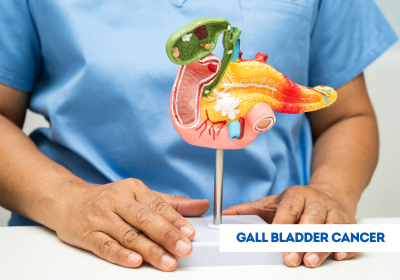
Gallbladder cancer is a rare but aggressive malignancy that begins in the gallbladder, a small organ under the liver that stores bile. Often, it spreads to other organs before symptoms appear. The most common type is adenocarcinoma, originating in glandular cells, while squamous, adenosquamous, and neuroendocrine tumors are less frequent. With EdhaCare, international patients can access gallbladder cancer treatment in India, Turkey, Thailand, Dubai, and other countries, where expert doctors deliver advanced care tailored to each patient’s needs.
Who Needs Gallbladder Cancer Treatment?
Gallbladder cancer treatment is important for patients with malignant tumours of the gallbladder, diagnosed by biopsy or histopathology. Indications for treatment are:
- Symptoms of nausea, persistent abdominal pain, jaundice, or alternate weight loss
- Imaging studies showing a suspicious mass or gallbladder wall thickening
- Gallbladder cancer diagnosed incidentally to gallbladder removal, cholecystectomy
- Lymph node involvement or metastasis to nearby organs, like the liver
- The patient has biopsy or surgical specimen evidence of malignancy
Patients diagnosed with gallbladder cancer at an earlier stage might still be candidates for curative surgery, therefore, surgery would be the treatment option.
Types of Gallbladder Cancer Treatment Procedures
Gallbladder cancer treatment methods depend on the site’s location, the patient’s health status, whether they have metastasis or not, and the stage of the cancer when diagnosed. The following are general treatment methods:
Surgery
- Main and potentially curative treatment option for early-stage gallbladder cancer.
- Some of the surgery types are listed below for your understanding.
- Simple cholecystectomy: Procedure of removing the gallbladder (only treatment required for Stage I tumours).
- Extended cholecystectomy: Procedure of removing the gallbladder, portion of liver (segments IVb and V), and regional lymph nodes.
- Palliative surgery: A potential answer for symptomatic relief from advanced disease that is unresectable.
Chemotherapy
- Adjunctive therapy after surgery or for advanced/metastatic disease.
- Common agents include gemcitabine, cisplatin, and capecitabine.
Radiation Therapy
- May be administered post-operatively or for palliative therapy in unresectable settings.
- Usually given as external beam radiation therapy (EBRT).
Targeted Therapy and Immunotherapy
- Targeted therapy is available for gallbladder cancer, but is generally limited in advanced disease and/or if specific mutations exist.
- Immunotherapy with checkpoint inhibitors (nivolumab) may be more limited and patient-specific for clinical trials or compassionate use.
Pre-Surgery Evaluation and Diagnostics
To assess operability and develop a treatment plan, an extensive workup is required. The follow-up investigations are typically:
- Abdominal ultrasound
- Contrast-enhanced CT or MRI
- PET CT
- Endoscopic ultrasound (EUS)
- Biopsy or FNAC
- Liver function tests
- CA 19-9 and CEA
The information gained from these investigations helps in staging the disease (Stage I‐IV) and assessing the operability of the disease or the need for systemic therapy.
Selection and Surgical/Procedure Planning
Selecting treatment is dependent on the tumour stage, location, and spread, along with some patient-specific factors including age, liver function, and comorbidities.
Surgical planning involves:
- Reviewing imaging for local invasion and resectability
- Assessing liver function (i.e., Child-Pugh score, if cirrhosis is present)
- Pre-operation optimisation of nutrition and biliary drainage in a jaundiced patient
- Collaborate with hepatobiliary surgeons and oncologists
Patients with early-stage disease and no spread may be considered for a curative resection, while those with unresectable or metastatic disease can receive palliative chemotherapy and supportive care.
Gallbladder Cancer Surgery Procedure
Surgical treatment depends on the stage of the cancer and its spread to adjacent organs.
- General anaesthesia administration
- Open/minimally invasive approach depending on the complexity (2-4 hours)
- After surgery completion, a hospital stay of 5-7 days is typically required
Risks & Potential Complications of Gallbladder Cancer Treatment
Like all major oncological procedures, treatment of gallbladder cancer carries risks. These include:
- Bleeding or infection
- Injury to the bile duct or liver
- Bile leak
- Postoperative jaundice
- Deep vein thrombosis or pulmonary embolism
- Nausea, vomiting
- Fatigue and weakness
- Risk of infection due to neutropenia
- Diarrhoea or mucositis
- Skin irritation
- Liver damage (rare)
- Gastrointestinal discomfort
Careful surgical technique, perioperative care, and close monitoring during chemotherapy can significantly reduce the likelihood and severity of complications.
What to Expect After Gallbladder Cancer Treatment?
Postoperative recovery is influenced by the extent of surgery and the patient’s overall condition.
- Hospitalisation of typically 5 to 7 days for extended resections
- Pain management with analgesics
- Gradual return to oral intake
- Nutritional support and liver function monitoring
- Drain removal and wound care
- Initiation of chemotherapy 4 to 6 weeks after surgery (if indicated)
Post-Surgery Recovery & Long-Term Care
Long-term care involves continuous monitoring and supportive management to detect recurrence and maintain quality of life.
- Adjuvant Chemotherapy: Often recommended for Stage II–III tumours to reduce recurrence risk.
- Regular Imaging and Lab Tests: Every 3–6 months during the first 2 years.
- Nutritional Support: High-protein diet and supplements if needed.
- Psychological Counselling: To help patients and families cope with cancer diagnosis and treatment effects.
- Symptom Management: For fatigue, jaundice, pain, or digestive difficulties.
In metastatic disease, the focus shifts to palliative care, aiming to alleviate symptoms and enhance comfort.
Gallbladder Cancer Treatment Success Rate in India
The prognosis of gallbladder cancer is largely dependent on the stage at diagnosis:
- Stage I (localised disease): 5-year survival rate of 60–80% with curative surgery.
- Stage II–III: 5-year survival rate of 25–50% with extended resection and chemotherapy.
- Stage IV (metastatic disease): Median survival of 6–12 months, depending on treatment response.
India’s top cancer centres are equipped to deliver globally comparable care, particularly in early-stage or surgically manageable cases.
Cost of Gallbladder Cancer Treatment in India
Gallbladder cancer treatment in India involves various approaches, including surgery, chemotherapy, and radiation therapy. Surgical options may include cholecystectomy or more extensive resections, depending on the stage of the cancer. Chemotherapy is often used post-surgery to target any remaining cancer cells, while radiation therapy can help manage symptoms and reduce tumor size. A multidisciplinary team, including oncologists, surgeons, and supportive care professionals, typically collaborates to create a comprehensive treatment plan tailored to the patient’s needs.
| Type of Treatment | Cost |
| Surgery | USD 4,000 – USD 8,000 |
| Chemotherapy (per cycle) | USD 1,000 – USD 1,200 |
| Radiation Therapy (per session) | USD 3,800 – USD 4,200 |
| Targeted Therapy (per month) | USD 1,500 – USD 2,500 |
Access to advanced medical facilities and experienced practitioners is a significant advantage for patients seeking treatment in India.
Why Choose India for Gallbladder Cancer Treatment?
India has emerged as a preferred destination for gallbladder cancer treatment due to its combination of clinical expertise, advanced technology, and cost-effectiveness.
Key Advantages:
- Experienced hepatobiliary and gastrointestinal oncology surgeons
- Access to high-end diagnostics (MRI, PET-CT, EUS)
- Comprehensive cancer care from diagnosis to palliative support
- Affordable treatment packages for surgery and chemotherapy
- Medical tourism infrastructure with international patient coordination
Required Documents for Patients Traveling to India for Gallbladder Cancer Treatment
For international patients planning to undergo gallbladder cancer treatment in India, certain documents are required to ensure a hassle-free medical trip. These include:
- Valid Passport: Must be valid for at least six months from the date of travel.
- Medical Visa (M Visa): Issued by the Indian Embassy/Consulate based on medical necessity.
- Invitation Letter from Indian Hospital: A confirmation from the hospital outlining the treatment plan and duration.
- Recent Medical Records: Including X-rays, MRIs, blood reports, and a doctor’s referral from the home country.
- Completed Visa Application Form: Along with passport-size photographs as per specifications.
- Proof of Financial Means: Recent bank statements or health insurance coverage.
- Medical Attendant Visa: Required for a companion or caretaker traveling with the patient.
It’s recommended to consult the Indian consulate or your medical facilitator for updated guidelines and assistance with documentation.
Top Gallbladder Cancer Specialists in India
Here are some of the top gallbladder cancer specialists in the country.
- , Fortis Memorial Research Institute Hospital, Gurgaon
- Dr. Sandeep Guleria, Indraprastha Apollo Hospital, New Delhi
- , Nanavati Max Super Speciality Hospital, Mumbai
- Dr. Somashekhar S. P., Manipal Hospitals, Bangalore
- Dr. Adarsh Chaudhary, Medanta – The Medicity, Gurgaon
Best Hospitals for Gallbladder Cancer Treatment in India
Here are some of the leading hospitals for gallbladder cancer treatment in India.
Edhacare: Medical Tourism Company for Gallbladder Cancer Treatment in India
Gallbladder cancer treatment needs timely diagnosis, expert surgical care, and long-term monitoring. , a reliable medical tourism company for gallbladder cancer in India, offers access to world-class hospitals and specialists. With a transparent gallbladder cancer treatment cost in India, patients can choose from a comprehensive gallbladder cancer treatment package. EdhaCare provides complete assistance through a trusted medical tourism package for gallbladder cancer treatment, ensuring safe treatment, travel support, and recovery care.
Frequently Asked Questions on Gallbladder Cancer
1. Is gallbladder cancer curable?
Yes, if detected early and treated with complete surgical removal, gallbladder cancer can be cured. However, most cases are diagnosed at an advanced stage.
2. What are the early symptoms of gallbladder cancer?
Early symptoms are often absent. When present, they may include right upper abdominal pain, nausea, bloating, or jaundice.
3. How is gallbladder cancer diagnosed?
Diagnosis is typically made through imaging (ultrasound, CT, MRI), followed by biopsy or surgical specimen analysis.
4. What is the life expectancy after a gallbladder cancer diagnosis?
Life expectancy varies with stage. Early-stage patients may live for many years, while advanced cases may require palliative care with a limited prognosis.
5. Can gallbladder cancer recur after surgery?
Yes, recurrence can occur, particularly in higher-stage cancers. Regular follow-up is essential for early detection of recurrence.