
- Home
- Treatments
- Diabetes
Endoscopic Vein Harvesting
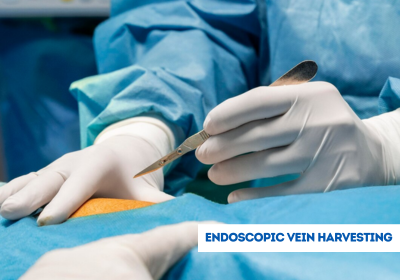
Endoscopic vessel harvesting (EVH) is a minimally invasive technique used in coronary artery bypass graft (CABG) surgery, reducing infection risk, pain, and scarring while promoting faster recovery. Many international patients access EVH in India, Turkey, Thailand, Dubai, and other countries for advanced cardiac care. Patients often search for a doctor for endoscopic vessel harvesting in India. EdhaCare helps with hospital selection, cost estimates, appointments, and end-to-end support.
About Endoscopic Vein Harvesting
The use of endoscopic vein harvesting (EVH) has increased as a means of lowering the procedure’s risk of infection and level of pain. The primary use of endoscopic vein harvesting as a conduit is in coronary artery bypass grafting. The radial arteries and internal mammary artery are two more blood vessels that can be candidates for bypass surgery. Arteriovenous grafts for dialysis fistulas, peripheral vascular bypass procedures, and cerebral bypass surgeries have all been performed via the saphenous vein.
With the least amount of damage to the surrounding tissues or the healthy blood vessel, EVH removes the healthy blood vessel using internal views, side branch cutting and sealing, and small incisions using specialized minimally invasive equipment. Significant advantages of EVH have been demonstrated, such as a lower incidence of infection and wound problems as well as decreased discomfort and edema following surgery.
Small incisions are made, and a blunt dissector or other endoscopic camera is used to construct a subcutaneous tissue tunnel beneath the skin.
Endoscopic Vein Harvesting – Estimated Cost
The cost of endoscopic vein harvesting can fluctuate depending on the procedure type, hospital facilities, complexity of the cardiac bypass surgery, and the expertise of the cardiothoracic surgeons performing the procedure. Below are approximate costs for endoscopic vein harvesting in India, Turkey, Thailand, and Dubai:
| Country | Approximate Cost |
|---|---|
| India | USD 2,000 – 6,000 |
| Turkey | USD 5,000 – 12,000 |
| Thailand | USD 6,000 – 15,000 |
| Dubai | USD 8,000 – 18,000 |
Note: Above costs for endoscopic vein harvesting are estimated. Reach out to EdhaCare for exact cost of endoscopic vein harvesting and personalized guidance.
Top Hospitals in India for Endoscopic Vein Harvesting
Here are the best hospitals for endoscopic vein harvesting in India, selected by EdhaCare to guide you to top hospitals in India for endoscopic vein harvesting offering advanced cardiac surgery facilities, minimally invasive techniques, and expert care for coronary bypass procedures.
| Hospital Name | Location |
|---|---|
| Fortis Hospital | Delhi |
| Apollo Hospital | Chennai |
| Max Super Speciality Hospital | Delhi |
| Manipal Hospital | Bangalore |
| Nanavati Max Super Speciality Hospital | Mumbai |
Top Doctors in India for Endoscopic Vein Harvesting
Here are the best doctors for endoscopic vein harvesting in India, carefully selected by EdhaCare to provide expert guidance and personalized care. Connect with top doctors in India for endoscopic vein harvesting who use modern, minimally invasive methods to ensure safe and effective vein harvesting for heart surgeries.
| Doctor Name | Hospital Name | Location |
|---|---|---|
| Dr. Naresh Trehan | Medanta Hospital | Gurugram |
| Dr. Asim Kr Bardhan | Apollo Hospital | Kolkata |
| Dr. Upendra Kaul | Batra Hospital | Delhi |
| Dr. Cyrus B Wadia | Jaslok Hospital | Mumbai |
| Dr. Prashanth Kr. Ghosh | Apollo Hospital | Delhi |
Procedure of Endoscopic Vein Harvesting
Endoscopic vein harvesting (EVH) is a minimally invasive surgical technique used to remove healthy veins from the patient’s legs for use as grafts in bypass surgeries, such as coronary artery bypass grafting (CABG).
Here are the general steps involved in EVH:
- Anesthesia: The patient is given anesthesia to put them to sleep and prevent them from feeling pain during the procedure.
Incisions: The surgeon makes two or three small incisions in the leg near the knee and ankle. - Endoscope insertion: An endoscope, a small flexible tube with a camera and light at the end, is inserted through one of the incisions and guided to the vein.
- Vein harvesting: Using specialized instruments, the surgeon carefully removes the vein from the leg while viewing the procedure on a monitor.
- Closure: Once the vein has been harvested, the incisions are closed with sutures or staples.
- Recovery: The patient is closely monitored in the hospital for a few hours to ensure that there is no bleeding or other complications. They may be given medication to manage any pain or discomfort and to prevent infection.
Compared to traditional vein harvesting techniques, which involve a long incision along the length of the leg, EVH offers several advantages, including less pain, scarring, and complications, faster recovery, and better cosmetic results.
However, not all patients are suitable candidates for EVH, and the specific technique used will depend on the patient’s medical history, overall health, and the location and size of the veins to be harvested. It is important to discuss the risks and benefits of EVH with a healthcare provider to determine the best course of action for each case.