
- Home
- Treatments
- Diabetes
Electrophysiology Study
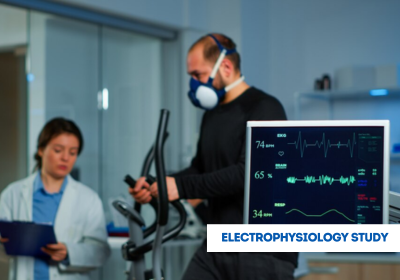
Electrophysiology Study (EPS) is a diagnostic procedure used to evaluate arrhythmias, or irregular heart rhythms. During EPS, thin, flexible catheters are inserted into blood vessels-usually in the neck or groin-and guided to the heart chambers. EPS helps diagnose conditions such as ventricular tachycardia, supraventricular tachycardia, and atrial fibrillation, guiding cardiologists and electrophysiologists in planning effective treatments.With EdhaCare, international patients can access electrophysiology study in India, Turkey, Thailand, Dubai, and other leading countries.
Diagnosis: Abnormal heart rhythms, or arrhythmias, such as ventricular tachycardia, supraventricular tachycardia, or atrial fibrillation, are diagnosed and assessed by electrophysiological monitoring (EPS).
causes: Arrhythmias can have a variety of underlying reasons, such as structural irregularities, hereditary factors, cardiac illness, or electrolyte imbalances.
treatment: Although EPS is primarily used for diagnostic purposes, it can also help with therapy selection. The study’s conclusions may lead to the recommendation of a number of treatments, such as medication, laser ablation, or the installation of cardiac equipment like pacemakers or defibrillators.
Electrophysiology Study – Estimated Cost
The cost of an electrophysiology study may vary depending on the procedure type (diagnostic or combined with ablation), hospital facilities, complexity of the heart rhythm disorder, and the expertise of the cardiologists performing the study. Below are approximate costs for electrophysiology study in India, Turkey, Thailand, and Dubai:
| Country | Approximate Cost |
|---|---|
| India | USD 2,500 – 8,000 |
| Turkey | USD 6,000 – 15,000 |
| Thailand | USD 7,500 – 18,000 |
| Dubai | USD 10,000 – 22,000 |
Note: Above costs for electrophysiology study are estimated. Reach out to EdhaCare for exact cost of electrophysiology study and personalized guidance.
Top Hospitals in India for Electrophysiology Study
Here are the best hospitals for electrophysiology study in India, selected by EdhaCare to guide you to top hospitals in India for electrophysiology study offering advanced cardiac diagnostics, specialized arrhythmia care, and state-of-the-art facilities for accurate heart rhythm assessment.
| Hospital Name | Location |
|---|---|
| Fortis Hospital | Delhi |
| Apollo Hospital | Chennai |
| Max Super Speciality Hospital | Delhi |
| Manipal Hospital | Bangalore |
| Nanavati Max Super Speciality Hospital | Mumbai |
Top Doctors in India for Electrophysiology Study
Here are the best doctors for electrophysiology study in India, carefully selected by EdhaCare to provide expert guidance and personalized care. Connect with top doctors in India for electrophysiology study who use advanced techniques to safely and effectively diagnose and manage heart rhythm disorders.
| Doctor Name | Hospital Name | Location |
|---|---|---|
| Dr. Naresh Trehan | Medanta Hospital | Gurugram |
| Dr. Asim Kr Bardhan | Apollo Hospital | Kolkata |
| Dr. Upendra Kaul | Batra Hospital | Delhi |
| Dr. Cyrus B Wadia | Jaslok Hospital | Mumbai |
| Dr. Prashanth Kr. Ghosh | Apollo Hospital | Delhi |
Preparation: Vital signs are taken while the patient is positioned on an examination table. Medication administration may require the insertion of an intravenous (IV) line.
Local Anesthesia: To reduce discomfort, a local anesthetic is applied to the insertion site, which is typically the neck or groin.
Insertion of the Catheter: Under fluoroscopic guidance, tiny incisions are made to introduce thin, flexible catheters into blood arteries, which are then threaded up to the heart.
Electrical Mapping: To detect irregular cardiac rhythms and pinpoint their source, the catheters capture electrical impulses from the heart.
Arrhythmia Induction: In order to diagnose a patient, certain drugs or electrical stimulation may be utilized to cause an irregular heart rhythm.
Ablation (if indicated): By applying energy to particular regions of the heart tissue, catheter ablation can be used to treat aberrant rhythms that are discovered.
Post-procedure Care: After the surgery, pressure is administered to the insertion site to stop bleeding and the catheters are withdrawn. Before being released from the hospital, the patient is watched for any problems and might need to be observed.