
- Home
- Treatments
- Diabetes
Coronary Artery Disease
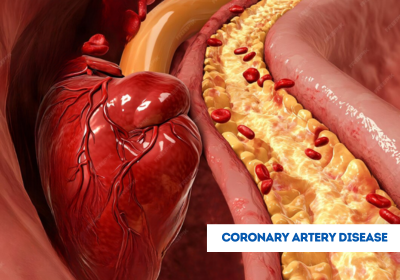
Coronary Artery Disease (CAD) occurs when the coronary arteries, which supply oxygen-rich blood to the heart, become narrowed or blocked. The primary cause is atherosclerosis, where plaque (cholesterol, fat, and other substances) builds up inside the arteries, reducing blood flow. CAD is a leading cause of death globally and often develops silently over many years before symptoms appear. Now with the help of EdhaCare, patients can access expert care for coronary artery disease in India, Turkey, Thailand, Dubai, and other leading countries.
Coronary Artery Disease – Estimated Cost
The cost of coronary artery disease management may vary depending on the treatment approach (medications, angioplasty, stenting, or bypass surgery), hospital facilities, severity of the condition, and the expertise of the cardiologists overseeing the care. Below are approximate costs for coronary artery disease treatment in India, Turkey, Thailand, and Dubai:
| Country | Approximate Cost |
|---|---|
| India | USD 1,500 – 25,000 |
| Turkey | USD 4,000 – 35,000 |
| Thailand | USD 5,000 – 40,000 |
| Dubai | USD 6,000 – 50,000 |
Note: Above costs for coronary artery disease are estimated. Reach out to EdhaCare for exact cost of coronary artery disease and personalized guidance.
Top Hospitals in India for Coronary Artery Disease
Here are the best hospitals for coronary artery disease in India, selected by EdhaCare to guide you to top hospitals in India for coronary artery disease offering advanced cardiac care, specialized treatment plans, and state-of-the-art facilities to manage and treat heart artery blockages effectively.
| Hospital Name | Location |
|---|---|
| Fortis Hospital | Delhi |
| Apollo Hospital | Chennai |
| Max Super Speciality Hospital | Delhi |
| Manipal Hospital | Bangalore |
| Nanavati Max Super Speciality Hospital | Mumbai |
Top Doctors in India for Coronary Artery Disease
Here are the best doctors for coronary artery disease in India, carefully selected by EdhaCare to provide expert guidance and personalized care. Connect with top doctors in India for coronary artery disease who use advanced diagnostic and treatment techniques to ensure safe and effective management of heart conditions.
| Doctor Name | Hospital Name | Location |
|---|---|---|
| Dr. Naresh Trehan | Medanta Hospital | Gurugram |
| Dr. Asim Kr Bardhan | Apollo Hospital | Kolkata |
| Dr. Upendra Kaul | Batra Hospital | Delhi |
| Dr. Cyrus B Wadia | Jaslok Hospital | Mumbai |
| Dr. Prashanth Kr. Ghosh | Apollo Hospital | Delhi |
Who Needs Coronary Artery Disease Treatment?
Coronary artery disease treatment is imperative for individuals presenting with:
- Chest pain (angina) or discomfort
- Shortness of breath that occurs during physical activity
- Signs indicating a previous or current heart attack
- Abnormal stress test, echocardiogram, or ECG results
- Coronary artery blockages observed on an angiography
- Risk factors such as diabetes, high blood pressure, high cholesterol, tobacco use, or a history of heart disease in the family
Patients with stable or unstable angina, patients with significant blockage of the arteries, or individuals with a high risk of a cardiac event require urgent medical attention and individualized care.
Types of Coronary Artery Disease Treatment Procedures
Coronary artery disease will be managed medically, through a change in lifestyle, intervention, or surgical procedure. The way the disease is treated depends on disease severity and the quality of the biology overall.
Lifestyle Modifications
- A low-fat, low-sodium diet
- Regular physical activity
- Smoking cessation
- Stress management
- Weight control
Medication Management
- Antiplatelet agents (e.g., aspirin, clopidogrel) to prevent clot formation
- Statins to lower cholesterol
- Beta-blockers and calcium channel blockers to control blood pressure and reduce heart workload
- Nitrates to relieve angina
- ACE inhibitors for heart protection
Percutaneous Coronary Intervention (PCI) or Angioplasty
- Minimally invasive procedure using a balloon to widen narrowed arteries
- Stent placement (bare-metal or drug-eluting stents) to keep arteries open
Coronary Artery Bypass Grafting (CABG) Surgery
- Open-heart surgery to create new pathways for blood flow using grafts from other body parts
- Recommended for patients with multiple blockages or severe disease
Enhanced External Counterpulsation (EECP) Therapy
- Non-invasive treatment for patients not suitable for surgery or angioplasty
- Improves blood flow and reduces angina symptoms
Pre-Treatment Evaluation and Diagnostics
Before starting treatment, a thorough cardiac assessment is essential to determine the severity of the disease and appropriate management. Diagnostic procedures typically include:
- Electrocardiogram (ECG)
- Echocardiogram
- Stress test
- Coronary angiography (CATH lab Procedure)
- CT coronary angiogram
- Blood tests
These diagnostic tools help in determining the extent of coronary artery disease and guide the treatment plan.
Selection and Surgical/Procedure Planning
The selection of the treatment strategy is based on several factors:
- Number and location of arterial blockages
- Severity of symptoms
- Presence of other medical conditions (e.g., diabetes, kidney disease)
- Left ventricular function (heart’s pumping capacity)
- Patient’s age and surgical risk profile
- Patient preference after counseling
A multidisciplinary heart team, including interventional cardiologists, cardiothoracic surgeons, and cardiac anesthesiologists, collaborates to select the most suitable treatment option.
Patients with limited blockages may benefit from medical therapy and lifestyle changes, while those with significant or complex diseases are often recommended for angioplasty or bypass surgery.
Coronary Artery Disease Surgical and Non-Surgical Procedures
Angioplasty (Percutaneous Coronary Intervention – PCI)
- Local anesthesia is administered.
- A catheter is inserted through the wrist or groin artery and guided to the heart.
- A balloon is inflated to open the blockage, followed by stent placement.
- Duration: Typically 30–90 minutes
- Hospital stay: 1–2 days
Coronary Artery Bypass Grafting (CABG)
- General anesthesia is administered.
- Grafts are taken from the leg (saphenous vein), arm, or chest wall (internal mammary artery).
- Bypass routes are created to restore blood flow.
- Duration: 3–6 hours
- Hospital stay: 5–7 days
Enhanced External Counterpulsation (EECP) Therapy
- Outpatient, non-invasive procedure
- Involves applying cuffs to the lower limbs that inflate in sync with the heartbeat to improve circulation.
- Typically requires 35–40 one-hour sessions
Risks & Potential Complications of Coronary Artery Disease Treatment
While CAD treatments are generally safe and effective, potential complications can include:
Angioplasty Complications
- Bleeding or bruising at the catheter site
- Artery re-narrowing (restenosis)
- Stent thrombosis (clot formation)
- Heart attack or stroke (rare)
CABG Surgery Complications
- Infection at incision sites
- Bleeding
- Irregular heartbeat
- Stroke or heart attack
- Graft failure
Medication Side Effects
- Bleeding due to antiplatelet drugs
- Muscle pain or liver issues with statins
- Low blood pressure or fatigue with beta-blockers
Risks are carefully managed through close monitoring, appropriate medication adjustment, and post-procedure care.
What to Expect After Coronary Artery Disease Treatment?
Post-treatment recovery depends on the type of procedure performed:
After Angioplasty
- Discharge typically within 24–48 hours
- Return to light activity within a few days
- Blood thinners prescribed for at least 6–12 months
- A follow-up angiogram may be advised based on symptoms
After CABG Surgery
- ICU monitoring for 1–2 days
- Total hospital stay: 5–7 days
- Gradual return to normal activities over 6–8 weeks
- Cardiac rehabilitation is strongly recommended
Post-Treatment Recovery & Long-Term Care
Long-term management is critical to preventing recurrence and maintaining heart health:
Lifestyle Modifications
- Low-fat, low-salt diet
- Regular physical exercise
- Smoking cessation
- Weight control and stress reduction
Medication Adherence
- Lifelong use of antiplatelets, statins, beta-blockers, and ACE inhibitors as prescribed
Regular Monitoring
- Follow-up appointments every 3–6 months
- Periodic stress tests and lipid profiles
Cardiac Rehabilitation
- Structured exercise and education programs supervised by healthcare professionals
Patients are advised to immediately report any recurrence of chest pain, breathing difficulty, or dizziness.
Coronary Artery Disease Treatment Success Rate in India
India’s top cardiac centers offer world-class coronary artery disease management with success rates comparable to global standards.
- Angioplasty Success Rate:> 98% in elective cases
- CABG Surgery Success Rate:> 95% in experienced centers
- Symptom Relief: The majority of patients experience significant improvement in chest pain and exercise tolerance
- Low Complication Rates: With advancements in stents, surgical techniques, and rehabilitation
Timely intervention and strict adherence to lifestyle changes are key factors contributing to long-term success.
Why Choose India for Coronary Artery Disease Treatment?
India is globally recognized for affordable and high-quality heart care, attracting patients from around the world.
- Experienced interventional cardiologists and cardiac surgeons
- Advanced cath labs equipped for complex angioplasties
- State-of-the-art surgical facilities for minimally invasive and beating heart CABG
- Affordable treatment compared to Western countries
- Availability of robotic-assisted heart surgeries in select centers
- Seamless medical tourism support with quick appointment scheduling
Documents Required for Patients Traveling to India for Coronary Artery Disease Treatment
For international patients contemplating CAD treatment in India, it is necessary to present certain documentation to have a smooth medical journey. These include:
- Valid Passport: Valid for a minimum of six months after the date you travel.
- Medical Visa (M Visa): Granted by the Indian Embassy/Consulate on medical grounds.
- Invitation Letter from Indian Hospital: A formal letter explaining the course of treatment and how long it will last.
- Recent medical records: X-rays, MRIs, blood tests, and a referral note by a doctor in the home country.
- Completed visa application form: With passport-size photographs according to specifications.
- Proof of means: Bank statements dated in the past few months or health insurance.
- Medical Attendant visa: Needed for a companion or caregiver traveling with the patient.
It is advisable to refer to the Indian consulate or your medical facilitator for the latest information and help in documentation.
Top Coronary Artery Disease Treatment Specialists in India
Some of the top specialists in India proficient in the treatment of CAD are:
- , Batra Hospital & Medical Research Centre, New Delhi
- , Medanta – The Medicity, Gurgaon
- , Apollo Gleneagles Hospital, Kolkata
- , Jaslok Hospital, Mumbai
- , Apollo Health City Hospital, Hyderabad
Best Hospitals for Coronary Artery Disease Treatment in India
Some of the best hospitals in India for CAD treatment are:
Frequently Asked Questions (FAQs)
Can coronary artery disease be completely cured?
No, but it can be effectively managed with lifestyle changes, medication, and procedures like angioplasty or bypass surgery to restore blood flow and prevent complications.
What are the symptoms of coronary artery disease?
Common symptoms include chest pain (angina), shortness of breath, fatigue, and palpitations. Some individuals may remain asymptomatic.
How soon can I return to work after angioplasty or bypass surgery?
Most patients return to work within 1–2 weeks after angioplasty and 6–8 weeks after CABG, depending on recovery and physician advice.
Is coronary artery disease genetic?
Yes, family history is a significant risk factor, but lifestyle choices play a major role in disease progression.
Can blockages recur after treatment?
Yes, recurrence is possible if lifestyle changes and medication adherence are not strictly followed. Regular follow-up is essential.