
- Home
- Treatments
- Diabetes
Cardioversion Treatment
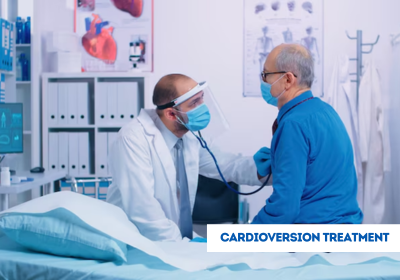
Cardioversion is a procedure used to restore a normal heartbeat in patients with heart rhythm disorders, such as atrial flutter or ventricular fibrillation. Cardioversion can be performed as an emergency or elective treatment, depending on the severity of arrhythmia. It is usually done under sedation or anesthesia to ensure patient comfort and safety. With EdhaCare, international patients can access cardioversion procedure in India, Turkey, Thailand, Dubai, and other leading countries, guided by expert cardiologists and supported throughout the procedure, recovery, and follow-up care.
About Cardioversion Treatment
Symptoms: Heart palpitations, loss of breath, dizziness, chest pain, irregular heartbeat (arrhythmia), or episodes of fainting may be signs that cardioversion is necessary.
Causes: People who have atrial fibrillation or fluttering of the atrium, which are irregular heart rhythms brought on by problems with the heart’s electrical system, are usually advised to undergo cardioversion.
Treatment: By giving the heart a controlled electric shock, cardioversion attempts to treat the underlying arrhythmias and relieve related symptoms by restoring normal cardiac rhythm. Additional therapies could involve taking drugs to control irregular heartbeat or treating underlying cardiac issues that are causing the arrhythmia.
Cardioversion Treatment – Estimated Cost
The cost of cardioversion treatment can fluctuate based on the procedure type (electrical or pharmacological), hospital facilities, severity of the heart rhythm disorder, and the expertise of the cardiologists performing the treatment. Below are approximate costs for cardioversion treatment in India, Turkey, Thailand, and Dubai:
| Country | Approximate Cost |
|---|---|
| India | USD 1,000 – 5,000 |
| Turkey | USD 3,000 – 8,000 |
| Thailand | USD 4,000 – 10,000 |
| Dubai | USD 5,000 – 12,000 |
Note: Above costs for cardioversion treatment are estimated. Reach out to EdhaCare for exact cost of cardioversion treatment and personalized guidance.
Top Hospitals in India for Cardioversion Treatment
Here are the best hospitals for cardioversion treatment in India, selected by EdhaCare to guide you to top hospitals in India for cardioversion treatment offering advanced cardiac care, state-of-the-art facilities, and specialized procedures for restoring normal heart rhythm.
| Hospital Name | Location |
|---|---|
| Fortis Hospital | Delhi |
| Apollo Hospital | Chennai |
| Max Super Speciality Hospital | Delhi |
| Manipal Hospital | Bangalore |
| Nanavati Max Super Speciality Hospital | Mumbai |
Book cardiology consultation in India at our leading hospital and get expert evaluation, personalized treatment plans, and access to advanced heart care.
Top Doctors in India for Cardioversion Treatment
Here are the best doctors for cardioversion treatment in India, carefully selected by EdhaCare to provide expert guidance and personalized care. Connect with top doctors in India for cardioversion treatment who use advanced techniques to safely and effectively manage abnormal heart rhythms.
| Doctor Name | Hospital Name | Location |
|---|---|---|
| Dr. Naresh Trehan | Medanta Hospital | Gurugram |
| Dr. Asim Kr Bardhan | Apollo Hospital | Kolkata |
| Dr. Upendra Kaul | Batra Hospital | Delhi |
| Dr. Cyrus B Wadia | Jaslok Hospital | Mumbai |
| Dr. Prashanth Kr. Ghosh | Apollo Hospital | Delhi |
Procedure of Cardioversion Treatment
Preparation: To guarantee comfort throughout the treatment, the patient is usually given general anesthetic or sedative.
Electrode Location: To deliver the electric shock to the heart, electrodes are placed strategically on the chest.
Monitoring: To evaluate cardiac rhythm and keep an eye out for any negative reactions, continuous electrocardiogram (ECG) monitoring is started.
Shock Delivery: In an effort to return the heart’s sinus rhythm to normal, a synchronized electrical shock is administered via the electrodes.
Observation: To guarantee a successful cardioversion, the patient’s cardiac rhythm is continuously watched after the shock.
Recovery: Depending on the clinical situation, the patient may be hospitalized for additional monitoring or monitored in a recovery area until they are stable enough to be released.