
- Home
- Treatments
- Diabetes
Thyroid Cancer
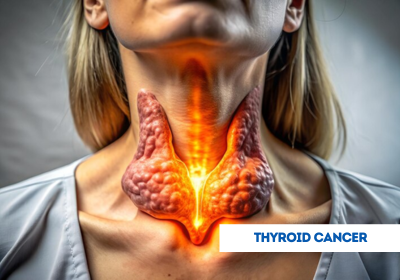
Thyroid cancer is a malignancy that develops in the thyroid, a butterfly-shaped gland at the front of the neck. Types include papillary, follicular, medullary, and anaplastic thyroid cancer. Though less common than other cancers, it is the most frequent endocrine malignancy and often presents as a painless neck lump, sometimes discovered incidentally. With EdhaCare, international patients can access thyroid cancer treatment in India, Turkey, Thailand, Dubai, and other countries, under the expertise of doctors providing safe, skilled, and outcome-focused care.
Who Needs Thyroid Cancer Treatment?
Individuals diagnosed with thyroid cancer via fine needle aspiration cytology (FNAC) or biopsy should receive treatment. The rationale for commencing treatment includes:
- The presence of a malignant thyroid nodule that has been pathologically proven
- A rapidly enlarging neck mass or swallowing difficulties
- Abnormal thyroid function or hoarseness due to nerve involvement
- Evidence of metastases to lymph nodes or distant organs
- A hereditary predisposition, e.g., the RET gene mutation in medullary thyroid carcinoma
Thus, well-differentiated tumours, even those with slow growth, will require post-procedure monitoring or active treatment depending on the size, symptomatic changes, and spread of the malignant disease.
Types of Thyroid Cancer Treatment Procedures
Thyroid cancer treatment often combines surgery, radioactive therapies, and hormonal treatments, depending on the type and stage of thyroid cancer.
Surgery
- Most thyroid cancers receive treatment consisting of surgery.
- Depending on the type, there are several surgery types as given below.
- Total thyroidectomy: removal of the thyroid gland completely
- Lobectomy: removal of one lobe of the thyroid, usually adequate for early-stage or low-risk thyroid cancers
- Lymph Node Dissection: Removal of lymph nodes in the neck that are affected by cancer
Radioactive Iodine (RAI) Therapy
- Used after surgery to treat any residual thyroid tissue or microscopic forms of cancer.
- Almost exclusively used for papillary and follicular cancers.
Thyroid Hormone Therapy
- Thyroid hormone therapy suppresses the thyroid-stimulating hormone (TSH).
- It has the potential to promote cancer growth, while sufficing for previously normal thyroid function, following surgery.
External Beam Radiation
Potential, more limited to tumours that cannot be removed, or sometimes to medullary/anaplastic thyroid cancer that has spread a lot.
Targeted Therapy and Chemotherapy
- Targeted agents continue to be used for aggressive and/or refractory cases (e.g., sorafenib, lenvatinib).
- Chemotherapy is rarely used for well-differentiated cancers, but may sometimes be appropriate for aggressive malignancies and pathological metastatic tumours.
Pre-Treatment Evaluation and Diagnostics
It is important to have a thorough diagnostic work-up before proceeding with treatment. Based on the history and clinical exam, a variety of assessments can be done:
- Ultrasound
- Fine needle aspiration cytology (FNAC)
- Thyroid function tests
- Thyroglobulin and calcitonin tests
- CT or MRI
- PET scanning
If a patient has medullary carcinoma, or if there is a family history of it, or features of the syndrome, genetic testing is ideal.
Selection and Surgical/Procedure Planning
Treatment planning is individualised based on the following factors:
- Type of cancer and its size
- Local invasion or lymph node metastases
- Age and general health of the patient
- Distant metastases
- Functional status of the patient’s thyroid gland
- Genetic alterations (for instance, the RET proto-oncogene in cases of medullary carcinoma)
Active surveillance may be an option for small, localised papillary carcinoma. For all other cases, surgery is usually the first step, followed by the usual adjuvant therapy as indicated.
The treatment of thyroid cancer involves a collaborative process between physicians and can include a multidisciplinary team of surgeons, endocrinologists, oncologists, and nuclear medicine specialists.
Thyroid Cancer Surgery Procedure
Surgical removal of the thyroid gland is the cornerstone of treatment for most thyroid cancers.
Common Surgical Approaches:
Total Thyroidectomy:
- The entire thyroid gland is removed.
- Indicated for bilateral disease, high-risk tumours, or patients requiring radioactive iodine therapy.
Lobectomy:
- Only one lobe of the thyroid is removed.
- Preferred for small, unifocal, and low-risk papillary carcinomas.
Neck Dissection:
- Removal of affected lymph nodes in the central or lateral compartments.
General Surgery Steps:
- Performed under general anaesthesia
- Incision made in the lower front of the neck
- Structures such as the recurrent laryngeal nerve and parathyroid glands are preserved when possible
- Approximately 2-3 hours of procedure
- Typically 1-3 days of hospital stay
Risks & Potential Complications of Thyroid Cancer Treatment
While generally safe and effective, thyroid cancer treatment carries certain risks and complications:
- Hoarseness or voice changes due to nerve injury
- Hypocalcemia from parathyroid gland damage
- Bleeding or hematoma
- Infection at the surgical site
- Scarring or poor wound healing
- Dry mouth or taste changes
- Neck tenderness
- Nausea
- Risk to fertility (temporary)
- Salivary gland inflammation
- Lifelong thyroid hormone replacement
All risks are minimised through skilled surgical care, appropriate follow-up, and patient education.
What to Expect After Thyroid Cancer Treatment?
Post-operative recovery is usually smooth, with patients discharged within 1–3 days. Recovery steps include:
- Pain management and wound care
- Resuming light activity within a few days
- Initiation of thyroid hormone therapy
- Blood tests to monitor calcium and hormone levels
- Radioactive iodine therapy (if indicated) after 4–6 weeks
Voice may feel weak temporarily, but typically returns to normal within weeks unless there is nerve damage.
Post-Treatment Recovery & Long-Term Care
Post-treatment care is a lifelong process involving:
- Thyroid Hormone Replacement: Daily levothyroxine to maintain normal metabolism and suppress TSH.
- Regular Follow-Up: Ultrasound, blood tests (TSH, thyroglobulin), and periodic scans.
- Lifestyle Adjustments: Healthy diet, physical activity, and mental well-being.
- Psychological Support: Managing anxiety or concerns about recurrence.
- Monitoring for Recurrence: Especially in high-risk cases and those with incomplete resection or aggressive subtypes.
Most patients can return to normal activities within a few weeks and lead healthy, productive lives with proper follow-up.
Thyroid Cancer Treatment Success Rate in India
Thyroid cancer is among the most treatable and curable malignancies, especially when diagnosed early. Success rates in India are excellent:
- Papillary and Follicular Carcinomas: 5-year survival rate exceeds 95%
- Medullary Thyroid Cancer: 5-year survival ranges from 70% to 90% (depending on stage)
- Anaplastic Thyroid Cancer: Lower survival rates, though outcomes improve with early diagnosis and clinical trials
Early detection, skilled surgical intervention, and effective hormone therapy contribute to favourable outcomes.
Cost of Thyroid Cancer Treatment in India
Thyroid cancer treatment in India usually involves a combination of surgery, radioactive iodine therapy, and hormone replacement therapy, depending on the stage and type of cancer. Surgical procedures often include the removal of the thyroid gland or affected lymph nodes. Post-operative care and regular follow-ups are critical to monitor any potential recurrence. Additionally, some patients may require radiation therapy or targeted therapy, depending on their specific diagnosis.
| Type of Treatment | Cost |
| Surgery | USD 4,000 – USD 6,000 |
| Chemotherapy (per cycle) | USD 1,000 – USD 1,200 |
| Radiation Therapy (per session) | USD 3,800 – USD 4,200 |
| Targeted Therapy (per month) | USD 1,500 – USD 2,500 |
Indian hospitals are equipped with advanced technology and skilled professionals, making them a popular choice for patients seeking treatment. Access to comprehensive care and support is also a key component of the treatment journey.
Why Choose India for Thyroid Cancer Treatment?
India is a leading destination for thyroid cancer care, offering world-class facilities and expert multidisciplinary teams at significantly lower costs than many Western nations.
- Experienced endocrine surgeons and oncologists
- Advanced diagnostics (high-resolution ultrasound, FNAC, genetic testing)
- Access to radioactive iodine and targeted therapies
- Affordable yet high-quality surgical and medical care
- Comprehensive cancer centres with global accreditation
- Support for international patients, including visa assistance and translation services
Required Documents for Patients Traveling to India for Thyroid Cancer Treatment
For international patients planning to undergo thyroid cancer treatment in India, certain documents are required to ensure a hassle-free medical trip. These include:
- Valid Passport: Must be valid for at least six months from the date of travel.
- Medical Visa (M Visa): Issued by the Indian Embassy/Consulate based on medical necessity.
- Invitation Letter from Indian Hospital: A confirmation from the hospital outlining the treatment plan and duration.
- Recent Medical Records: Including X-rays, MRIs, blood reports, and a doctor’s referral from the home country.
- Completed Visa Application Form: Along with passport-size photographs as per specifications.
- Proof of Financial Means: Recent bank statements or health insurance coverage.
- Medical Attendant Visa: Required for a companion or caretaker traveling with the patient.
It’s recommended to consult the Indian consulate or your medical facilitator for updated guidelines and assistance with documentation.
Top Thyroid Cancer Specialists in India
Here are some of the top thyroid cancer specialists in the country.
- , Fortis Memorial Research Hospital, Gurgaon
- , Nanavati Max Super Specialty Hospital, Mumbai
- , Apollo Cancer Institute, Chennai
- , KIMS Global Hospital, Trivandrum
- , BLK Max Hospital, Kochi
Best Hospitals for Thyroid Cancer Treatment in India
Here are some of the top hospitals for thyroid cancer treatments in the country.
Edhacare: Trusted Medical Tourism Company for Thyriod Cancer Treatmen in India
Thyroid cancer treatment involves skilled doctors, modern facilities, and ongoing monitoring. , a trusted medical tourism company for thyroid cancer in India, supports international patients in finding the best hospitals. With an affordable thyroid cancer treatment cost in India, patients can select a suitable thyroid cancer treatment package. A complete medical tourism package for thyroid cancer treatment covers visa support, travel help, hospital admission, and recovery stay.
Frequently Asked Questions on Thyriod Cancer
1. Is thyroid cancer curable?
Yes, especially the papillary and follicular types, which have excellent outcomes with surgery and radioactive iodine therapy.
2. Will I need to take medications for life?
Yes, patients require lifelong thyroid hormone replacement therapy after total thyroidectomy.
3. How soon can I return to normal activities after surgery?
Most patients resume routine activities within 1–2 weeks and return to work in 2–3 weeks, depending on recovery.
4. Is radioactive iodine therapy safe?
Yes, it is a safe and effective adjuvant therapy with manageable side effects when administered in a controlled setting.
5. Can thyroid cancer recur after treatment?
Yes, recurrence is possible, especially in aggressive or incompletely treated cases. Regular follow-up is essential.