- Home
- Treatments
- Diabetes
Skin Cancer
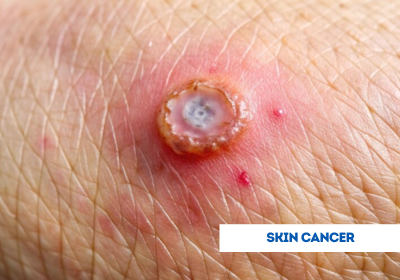
Skin cancer occurs when abnormal skin cells grow uncontrollably, often due to prolonged UV exposure from the sun or tanning beds. Other risk factors include a weakened immune system, family history, and contact with harmful substances. Common types include melanoma, basal cell carcinoma, and squamous cell carcinoma. With EdhaCare, international patients can access skin cancer treatment in India, Turkey, Thailand, Dubai, and other countries, with expert doctors providing precise, advanced, and patient-focused care for better outcomes.
Who Needs Skin Cancer Treatment?
Anyone diagnosed with skin cancer, whether it’s a small lesion or a more invasive form, requires treatment. People with a family history of skin cancer, fair skin, excessive sun exposure, or weakened immune systems are at higher risk and may need regular check-ups and prompt treatment if cancer is detected.
Types of Skin Cancer
Skin cancer can be classified into the following types:
- Basal Cell Carcinoma (BCC): The most common type, BCC grows slowly and rarely spreads, but can cause damage to nearby tissue if untreated.
- Squamous Cell Carcinoma (SCC): This cancer tends to grow more aggressively than BCC and can spread if not treated early.
- Melanoma: A dangerous and potentially life-threatening type that arises from pigment-producing cells. Melanoma can spread quickly to other organs.
- Rare Types: Rare types include Merkel cell carcinoma, sebaceous gland carcinoma, and Kaposi’s sarcoma. These are less common but may require specialized treatment.
Evaluation and Diagnostics Before Skin Cancer Treatment
Diagnosis starts with a thorough physical examination of the skin.
- Doctors may perform a skin biopsy, where a small sample of suspicious tissue is taken and examined under a microscope.
- Imaging tests like CT scans or MRIs may be used if doctors suspect the cancer has spread.
- Blood tests can also help assess overall health before starting treatment.
Skin Cancer Treatment Planning
Treatment planning is personalized for each patient based on the type, stage, location, and size of the tumor, along with the patient’s overall health and preferences. A multidisciplinary team, including dermatologists, oncologists, and surgeons, often collaborates to design the most effective treatment plan.
Process of Skin Cancer Treatment
Several treatment options are available:
- Cryotherapy: Sometimes the doctor may use liquid nitrogen to remove actinic keratoses and early skin malignancies (cryosurgery). It thaws dead tissue.
- Curettage and Electrodesiccation: The doctor removes the tumour and scrapes away cancer cells with a circular blade. Next, an electric needle kills cancer cells. Finally, liquid nitrogen freezes the treated area’s base and edges in an alternative method.
- Surgical Excision: This therapy is suitable for all types of skin cancers. First, the doctor removes cancerous tissue and the healthy skin borders. Then, if the tumor is large enough, they perform a wide excision.
- Mohs Surgery: This is a precise technique used mainly for facial cancers. Doctors remove cancer layer by layer while examining it under a microscope.
- Radiation Therapy: Radiation therapy is used when surgery is not a possible option or for deeper cancers.
- Chemotherapy: Chemotherapy cures skin cancers that have started to spread. In chemotherapy, drugs are taken orally, applied topically, or injected with a needle or IV line.
- Immunotherapy or Targeted Therapy: Immunotherapy or targeted therapy is especially used for advanced melanoma cases, where medications help the immune system fight cancer.
- Topical Medications: For superficial cancers, creams with anti-cancer agents may be prescribed.
Risks and Potential Complications of Skin Cancer Treatment
While treatments are generally safe, they can carry certain risks and potential complications, including:
- Scarring
- Infection
- Changes in skin color
- Pain
- Recurrence of cancer
In rare cases, especially with deeper or more aggressive cancers, treatment side effects can be more severe. Early detection, along with skilled care, reduces these risks.
What to Expect After Skin Cancer Treatment?
After treatment, patients might notice redness, swelling, or scarring in the treated area. Most people return to regular activities quickly, but follow-ups are essential to monitor healing and check for recurrence. Emotional support is also vital, especially for those dealing with facial or visible skin changes.
Recovery and Long-Term Care After Skin Cancer Treatment
Recovery depends on the treatment type and the cancer’s severity. Surgical wounds generally heal within a few weeks. Long-term care includes:
- Regular skin checks every 3-6 months
- Sun protection habits, like using sunscreen and wearing protective clothing
- Healthy lifestyle changes to strengthen the immune system
- Emotional and psychological support, especially after major surgeries
Skin Cancer Treatment Success Rate in India
India boasts a high success rate, particularly for early-stage skin cancers like BCC and SCC, with cure rates of over 90%. Even in cases of melanoma, India’s combination of skilled specialists, cutting-edge technology, and access to advanced therapies offers patients a strong chance of recovery.
Cost of Skin Cancer Treatment in India
India offers affordable yet high-quality cancer treatment. Here’s a general cost breakdown:
| Type of Treatment | Cost |
| Mohs Surgery | USD 2,000 – USD 4,000 |
| Radiation (for a full course) | USD 1,500 – USD 5,000 |
| Chemotherapy (per cycle) | USD 1,000 to USD 3,000 |
| Immunotherapy/Targeted Therapy (per month) | USD 2,000 – USD 5,000 |
These costs are significantly lower than in Western countries, without compromising on quality.
Why Choose India for Skin Cancer Treatment?
India has positioned itself as one of the leading hubs for cancer treatment. Patients from all over the world travel to India due to the following reasons:
- Indian hospitals have highly trained oncologists and dermatologists who are internationally trained and globally renowned.
- Patients can save up to 60 to 80% in India compared to Western nations.
- Indian hospitals and cancer centres are accredited by JCI and NABH and equipped with state-of-the-art equipment. In 2024, AIIMS Delhi introduced Mohs surgery in India.
- Patients can get prompt appointments in India with quick treatment initiation.
- From visas to accommodation and translators, medical facilitators like EdhaCare provide complete guidance to international patients.
Documents Required for Patients Traveling to India for Skin Cancer Treatment
For international patients contemplating skin cancer treatment in India, it is necessary to present certain documentation to have a smooth medical journey. These include:
- Valid Passport: Valid for a minimum of six months after the date you travel.
- Medical Visa (M Visa): Granted by the Indian Embassy/Consulate on medical grounds.
- Invitation Letter from Indian Hospital: A formal letter explaining the course of treatment and how long it will last.
- Recent Medical Records: X-rays, MRIs, blood tests, and a referral note by a doctor in the home country.
- Completed Visa Application Form: With passport-size photographs according to specifications.
- Proof of Means: Bank statements dated in the past few months or health insurance.
- Medical Attendant Visa: Needed for a companion or caregiver traveling with the patient.
It is advisable to refer to the Indian consulate or your medical facilitator for the latest information and help in documentation.
Top Skin Cancer Specialists in India
Some of the top skin cancer specialists in India are:
- – Fortis Hospital, Saket, New Delhi
- – Nanavati Max Super Speciality Hospital, Mumbai
- – Apollo Hospital, Hyderabad
- – Apollo Hospital, Chennai
- – BLK-Max Super Speciality Hospital, Delhi
These specialists are known for their extensive experience and patient-focused care.
Best Hospitals for Skin Cancer Treatment in India
Some of the best hospitals in India for skin cancer treatment are:
- (Multiple Locations in India)
- (Multiple Locations in India)
These hospitals are equipped with modern cancer care units and cater to both local and international patients.
Edhacare: Trusted Medical Tourism Company for Skin Cancer Treatment in India
Skin cancer treatment needs timely diagnosis, expert doctors, and proper follow-up care. EdhaCare, a leading medical tourism company for skin cancer in India, connects international patients with top hospitals. With an affordable skin cancer treatment cost in India, patients can choose from customized skin cancer treatment packages. A reliable medical tourism package for skin cancer treatment covers visa assistance, travel arrangements, hospital admission, and recovery stay.
Frequently Asked Questions on Skin Cancer
- Is skin cancer curable?
Yes, most types of skin cancer are highly treatable, especially when detected early.
- How long does skin cancer treatment take?
Treatment duration depends on the type and stage, but usually ranges from a few days to a few weeks.
- Can skin cancer come back after treatment?
Yes, recurrence is possible, which is why regular follow-ups are essential.
- Is skin cancer treatment painful?
Mild discomfort is common, especially after surgery, but pain is usually manageable with medication.
- Will I have a scar after treatment?
Some treatments may leave scars, but techniques like Mohs surgery aim to minimize visible damage.