
- Home
- Treatments
- Diabetes
Ovarian Cancer
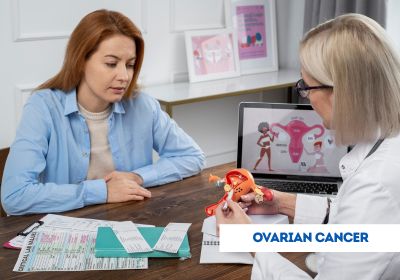
Ovarian cancer begins in the ovaries, female reproductive glands that produce eggs and hormones like estrogen and progesterone. Often called a “silent killer,” its early symptoms are subtle, and many cases are diagnosed at advanced stages, making timely detection and treatment essential. With EdhaCare, international patients can access ovarian cancer treatment in India, Turkey, Thailand, Dubai, and other countries, where expert doctors provide careful, personalized care to improve outcomes and quality of life.
Who Needs Ovarian Cancer Treatment?
Ovarian cancer treatment is necessary for women diagnosed with either localised or advanced disease through clinical evaluation and diagnostic imaging. Common indications include:
- Abnormal pelvic examinations or imaging results
- Persistent symptoms such as bloating, abdominal pain, or changes in urinary habits
- Elevated CA-125 levels (a tumour marker)
- Confirmation of malignancy via biopsy or surgery
- Recurrent or metastatic ovarian tumours
- Genetic predisposition (e.g., BRCA1 or BRCA2 mutations)
Early and appropriate treatment improves the chances of successful disease management and enhances quality of life.
Types of Ovarian Cancer Treatment Procedures
Usually, a variety of approaches are used together in the treatment of ovarian cancer.
Surgery
- The goal of surgery is to take out the ovaries, uterus, fallopian tubes, and as much of the tumour as possible (called Primary Debulking Surgery or PDS).
- Surgery designed to preserve the ability to have children: For patients under 45 who are diagnosed early.
- IDS (interval debulking surgery) is done after initial chemotherapy when the cancer cannot be removed initially.
Chemotherapy
- Often provided after surgery to ensure that all cancer cells are removed.
- Some of the standard choices are drugs called carboplatin and paclitaxel.
- Antibiotics can be given intravenously or into the abdominal space (intraperitoneal).
Targeted Therapy
Use bevacizumab (anti-angiogenesis) or PARP inhibitors (olaparib, niraparib) on tumors that have certain genetic changes.
Hormonal Therapy
Sometimes given to people with hormone-sensitive tumours of low grade.
Radiation Therapy
Used infrequently, but might be considered in certain situations or as palliative care.
Every treatment is customised, taking into account the cancer, how far it has advanced, the patient’s age, health, and genetic information.
Pre-Surgery Evaluation and Diagnostics
A thorough diagnostic analysis is important for selecting the right treatment choice. It includes:
- CT or MRI scan
- CA-125 blood test
- Biopsy
- PET-CT scan
- Genetic Testing- BRCA1, BRCA2, and other genes
They are important for learning how far the cancer has advanced and for deciding on treatment options.
Selection and Surgical/Procedure Planning
A group of gynecologic oncologists, radiologists, medical oncologists, and pathologists gets together to create treatment plans. Here are some of the key considerations:
- Specific type and staging of ovarian cancer
- The amount of metastatic occurrence
- Whether the tumour is fit for surgery or not
- The patient’s desire for children (for men, practical concerns)
- A person’s overall ability to undergo surgery and chemotherapy
Getting rid of all the tumours in surgery is essential since this is strongly related to improved survival in patients.
Ovarian Cancer Surgery Procedure
Ovarian cancer surgery is done with the patient using general anaesthesia. When women have cancer at a certain stage, the treatment might involve:
- Total Abdominal Hysterectomy (TAH): The uterus is surgically removed.
- Bilateral Salpingo-Oophorectomy (BSO): The removal of both ovaries and fallopian tubes is performed.
- Omentectomy: Removing fatty tissue from the abdomen, which is often where the cancer spreads.
- Debulking Visible Tumours: It can include taking out tumours from the abdominal surfaces, bowel, or diaphragm if required.
For early cancers, doctors may decide to operate by just removing one ovary and the uterus to save fertility.
Risks & Potential Complications of Ovarian Cancer Treatment
Like any major oncologic procedure, ovarian cancer treatment carries certain risks:
Surgical Complications
- Infection and bleeding
- Injury to adjacent organs (bowel, bladder)
- Blood clots (DVT or PE)
- Wound healing issues
- Temporary or permanent infertility
Chemotherapy-Related Side Effects
- Fatigue, nausea, vomiting
- Hair loss
- Neuropathy (nerve damage)
- Anaemia and immunosuppression
- Menstrual changes or early menopause
Targeted Therapy Risks
- High blood pressure
- Blood clots
- Fatigue and gastrointestinal symptoms
These risks are minimised through pre-operative preparation, skilled surgical care, and individualised chemotherapy protocols.
What to Expect After Ovarian Cancer Surgery?
Post-surgical recovery depends on the extent of surgery and the patient’s condition. Typical expectations include:
- Hospital stay of 5–7 days
- Pain management with medication
- Limited mobility initially; gradual return to activity over 2–6 weeks
- Drainage tubes (if placed) are usually removed before discharge
- Initiation of chemotherapy, usually within 3–4 weeks after surgery
Regular follow-up visits and blood tests are scheduled to monitor for recurrence.
Post-Surgery Recovery & Long-Term Care
Long-term recovery from ovarian cancer involves both physical and emotional healing. Care components include:
- Ongoing Chemotherapy or Maintenance Therapy: For advanced-stage or recurrent cases
- Regular Surveillance: Includes CA-125 blood tests, imaging scans, and physical exams every 3–6 months initially
- Psychological Support: Counselling and support groups help patients deal with anxiety, depression, and body image changes
- Nutritional Counselling: To boost immunity and manage side effects
- Fertility and Hormonal Guidance: Especially important for younger women facing early menopause
- Lifestyle Adjustments: Stress reduction, exercise, and dietary modifications
Rehabilitation programs may be recommended to help patients regain strength and energy.
Ovarian Cancer Treatment Success Rate in India
India has achieved considerable success in ovarian cancer treatment with outcomes comparable to global standards, especially when diagnosed early.
- Early-stage (Stage I–II): 5-year survival rate ~70–90%
- Advanced-stage (Stage III–IV): 5-year survival rate ~30–50%
- Surgical success (complete cytoreduction) significantly improves prognosis
- Maintenance therapy with PARP inhibitors: Enhances disease-free survival in BRCA-mutated cases
Survival outcomes are closely linked to timely diagnosis, quality of surgical debulking, and access to post-operative care.
Cost of Ovarian Cancer Treatment in India
The cost of ovarian cancer treatment in India can vary significantly depending on several factors, including the type of treatment required, the stage of cancer, and the healthcare facility chosen. It’s important for patients to consider health insurance options, as coverage can help alleviate some financial burdens.
| Type of Treatment | Cost |
| Surgery | USD 4,000 – USD 8,000 |
| Chemotherapy (per cycle) | USD 1,000 – USD 1,200 |
| Radiation Therapy (per session) | USD 3,800 – USD 4,200 |
| Targeted Therapy (per month) | USD 1,500 – USD 2,500 |
Overall, seeking treatment at well-established cancer centers may provide better outcomes and support services.
Why Choose India for Ovarian Cancer Treatment?
India is globally recognised for delivering advanced ovarian cancer treatment at a fraction of the cost compared to Western countries. Key advantages include:
- Renowned gynecologic oncologists and surgical teams
- Access to state-of-the-art imaging, robotic surgery, and HIPEC (Hyperthermic Intraperitoneal Chemotherapy)
- Affordable chemotherapy and targeted therapy options
- Comprehensive cancer centres offering multidisciplinary care
- Dedicated medical tourism support, including visa assistance and interpreter services
Required Documents for Patients Traveling to India for Ovarian Cancer Treatment
For international patients planning to undergo ovarian cancer treatment in India, certain documents are required to ensure a hassle-free medical trip. These include:
- Valid Passport: Must be valid for at least six months from the date of travel.
- Medical Visa (M Visa): Issued by the Indian Embassy/Consulate based on medical necessity.
- Invitation Letter from Indian Hospital: A confirmation from the hospital outlining the treatment plan and duration.
- Recent Medical Records: Including X-rays, MRIs, blood reports, and a doctor’s referral from the home country.
- Completed Visa Application Form: Along with passport-size photographs as per specifications.
- Proof of Financial Means: Recent bank statements or health insurance coverage.
- Medical Attendant Visa: Required for a companion or caretaker traveling with the patient.
It’s recommended to consult the Indian consulate or your medical facilitator for updated guidelines and assistance with documentation.
Top Ovarian Cancer Specialists in India
Here are some of the leading specialists for ovarian cancer in the country:
- , Apollo Gleneagles Hospital, Pune
- , Nanavati Max Super Speciality Hospital, Mumbai
- , Artemis Hospital, Gurgaon
- , Dr. Rela Institute and Medical Centre Hospital, Chennai
- , W Pratiksha, Gurgaon
Best Hospitals for Ovarian Cancer Treatment in India
Here are some of the top hospitals for ovarian cancer treatment in the country.
Edhacare: Trusted Medical Tourism Company for Ovarian Cancer Treatment
Ovarian cancer treatment needs expert doctors, modern therapies, and ongoing care. EdhaCare, a reliable medical tourism company for ovarian cancer in India, supports international patients with the best hospitals. With an affordable ovarian cancer treatment cost in India, patients can select a suitable ovarian cancer treatment package. A full medical tourism package for ovarian cancer treatment ensures visa assistance, travel planning, hospital care, and safe recovery stay.
Frequently Asked Questions on Ovarian Cancer
1. Is ovarian cancer curable?
Yes, if diagnosed early and treated appropriately, many patients can achieve long-term remission or cure.
2. Can a woman still have children after ovarian cancer treatment?
Fertility may be preserved in early-stage cancers with conservative surgery. Fertility preservation options should be discussed with a specialist.
3. What is the role of CA-125 in ovarian cancer?
CA-125 is a tumour marker used for diagnosis and monitoring response to treatment. However, it is not always elevated in early-stage disease.
4. Are BRCA-positive patients treated differently?
Yes. Patients with BRCA mutations may benefit from targeted therapy with PARP inhibitors, in addition to surgery and chemotherapy.
5. What is the recovery time after ovarian cancer surgery?
Initial recovery takes about 4 to 6 weeks, with full recovery and return to routine life depending on the treatment plan and overall health.