
- Home
- Treatments
- Diabetes
Lung Cancer
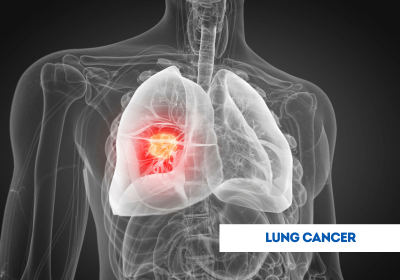
Lung cancer is a life-threatening disease that begins in the lungs, usually in the cells lining the airways. While often linked to smoking, it can also occur in non-smokers due to environmental factors or genetics. Common symptoms include persistent cough, chest pain, shortness of breath, and coughing up blood. With EdhaCare, international patients can access lung cancer treatment in India, Turkey, Thailand, Dubai, and other countries, where experienced doctors provide comprehensive and personalized care for improved recovery.
About Lung Cancer
Lung cancer is a disease where cells in the lungs grow uncontrollably. Normally, cells grow, divide, and die in an organized way. But in lung cancer, some cells start growing too fast and don’t die when they should. These extra cells can form lumps called tumors in the lungs.
Lung cancer can also spread to other parts of the body, like the brain, bones, or liver, through the blood or lymph system.
Types of Lung Cancer:
- Non-Small Cell Lung Cancer (NSCLC): Most common, grows slowly.
- Small Cell Lung Cancer (SCLC): Less common, grows fast.
Causes of Lung Cancer:
- Smoking or second-hand smoke
- Exposure to chemicals (asbestos, radon)
- Family history
- Air pollution
Symptoms of Lung Cancer:
- Persistent cough or change in cough
- Coughing blood
- Shortness of breath or chest pain
- Hoarseness, weight loss, fatigue
- Repeated lung infections
Who Needs Lung Cancer Surgery
Surgery is usually for patients whose lung cancer:
- Has not spread far from the lungs
- Is in early stages (usually stage I or II)
- Can be safely removed based on overall health and lung function
Purpose of Surgery:
- Remove cancer from the lung
- Stop it from spreading
- Relieve symptoms caused by the tumour
Types of Lung Cancer Surgery:
- Lobectomy – Removes one lobe of the lung. Most common.
- Pneumonectomy – Removes the entire lung. Used for larger tumors.
- Segmentectomy / Wedge Resection – Removes a small part of the lung. Used for early or small cancers.
- Sleeve Resection – Removes a tumor along with part of a bronchus and reconnects the airway.
- Video-Assisted Thoracoscopic Surgery (VATS) – Minimally invasive surgery using small cuts and a camera
Recovery Timeline
|
Surgery Type |
Hospital Stay |
Full Recovery |
|
Lobectomy |
5–7 days |
4–6 weeks |
|
Pneumonectomy |
7–10 days |
6–8 weeks |
|
Segmentectomy / Wedge Resection |
4–6 days |
3–5 weeks |
Prosthesis Types
|
Prosthesis Type |
Use |
|
Synthetic Mesh |
Chest wall reconstruction after tumor removal |
|
Titanium Plates |
Support chest wall structure |
|
Custom Implants |
Rare, for large resections |
Cost Comparision
|
Surgery Type |
Approx. Cost (INR) |
|
Lobectomy |
₹2–5 lakh |
|
Pneumonectomy |
₹3–6 lakh |
|
Segmentectomy / Wedge Resection |
₹1.5–4 lakh |
Why Choose India for Lung Cancer Surgery:
- Experienced Surgeons: Highly skilled thoracic and oncological surgeons with global training.
- Advanced Technology: Modern hospitals with latest surgical and diagnostic equipment.
- Affordable Costs: Surgery costs are significantly lower compared to many Western countries.
- High Success Rates: Excellent outcomes and low complication rates for lung cancer surgeries.
- Comprehensive Care: Complete treatment including surgery, chemotherapy, radiation, and follow-up.
- Medical Tourism Support: Assistance with travel, accommodation, and appointments for international patients.
Pre-Surgery Evaluation and Diagnostics
- Medical History & Physical Exam: Review of symptoms, past illnesses, and overall health.
- Blood Tests: Check for anaemia, infection, liver and kidney function.
- Imaging Tests:
- Chest X-ray – Basic view of the lungs.
- CT Scan – Detailed images to locate the tumour and see its size.
- PET Scan – Detects cancer spread to other organs.
- Lung Function Tests: Measures breathing capacity to ensure lungs can handle surgery.
- Heart Evaluation: ECG or echocardiogram to check heart health before anaesthesia.
- Biopsy: Small tissue sample from the tumour to confirm cancer type.
- Other Tests (if needed): MRI, bronchoscopy, or mediastinoscopy for detailed assessment.
Prosthesis Selection and Surgical Planning
Prosthesis Selection:
- Synthetic Mesh: Commonly used to reconstruct the chest wall after tumour removal.
- Titanium Plates: Provide strong support for larger resections.
- Custom Implants: Rare, used for large or complex chest wall defects.
Surgical Planning:
- Doctors review imaging tests (CT, MRI, PET scans) to understand tumour size, location, and spread.
- The type of surgery is chosen based on tumour stage, location, and patient’s lung function.
- Anaesthesia and post-surgery care are planned to ensure safety.
- Multidisciplinary teams (surgeons, oncologists, anaesthesiologists, physiotherapists) collaborate for the best outcome.
Legal & Ethical Framework
- Informed Consent: Patients must be fully informed about the surgery, risks, benefits, and alternatives before giving permission.
- Patient Rights: Respect for privacy, confidentiality, and the right to make decisions about treatment.
- Medical Ethics: Surgeons and healthcare teams must follow ethical guidelines, including honesty, professionalism, and patient safety.
- Regulatory Compliance: Hospitals and clinics must follow government regulations, licensing, and quality standards for healthcare services.
Required Documents for Surgery
- Medical Reports: Blood tests, imaging reports (CT, PET, X-ray), biopsy results.
- Doctor’s Referrals: Referral letters from your physician or oncologist.
- ID Proof: Government-issued ID (Aadhaar, Passport, Driving License).
- Insurance Documents: Health insurance card or policy details (if applicable).
- Previous Medical History: Records of past illnesses, surgeries, or ongoing treatments.
- Consent Forms: Signed forms confirming understanding of the surgery and its risk
Procedure of Lung Cancer
Lung Cancer Surgery Procedure
- Pre-Surgery Preparation: Patient undergoes anaesthesia and monitoring.
- Incision: Surgeon makes a cut in the chest to access the lung.
- Tumor Removal:
- Lobectomy: Removes one lobe of the lung.
- Pneumonectomy: Removes the entire lung.
- Segmentectomy/Wedge Resection: Removes a small part of the lung.
- Chest Wall Reconstruction (if needed): Prosthesis like mesh or titanium plates may be used.
- Closure: Surgeon closes the incision and places chest drains to remove fluid or air.
- Post-Surgery Monitoring: Patient is moved to recovery for observation and breathing support if needed.
Lung Cancer Surgery Costs in India
|
Surgery Type |
Cost (INR) |
|
Open Thoracotomy |
₹2.7 – 5.9 lakh |
|
VATS (Minimally Invasive) |
₹1.6 – 3.2 lakh |
|
Robotic Surgery |
₹7.5 – 12.5 lakh |
Additional Treatments for Lung Cancer:
- Chemotherapy (per cycle): ₹40,000 – 70,000
- Radiation Therapy: ₹2.5 – 4 lakh
- Immunotherapy: ₹70,000 – 2 lakh
- Targeted Therapy: ₹20,000 – 50,000
Top Lung Cancer Surgeons in India
|
Doctor |
Hospital |
Location |
|
Medanta Hospital |
Gurugram, Haryana |
|
|
Artemis Hospital |
Gurugram, Haryana |
|
|
Sir Ganga Ram Hospital |
New Delhi, Delhi |
|
|
BLK Super Speciality Hospital |
New Delhi, Delhi |
|
|
Fortis La Femme / MACS Clinic |
Bengaluru, Karnataka |
Best Hospitals for Lung Cancer Surgery in India
|
Hospital |
Location |
|
Tata Memorial Hospital |
Mumbai, Maharashtra |
|
Medanta – The Medicity |
Gurugram, Haryana |
|
All India Institute of Medical Sciences (AIIMS) |
New Delhi, Delhi |
|
Fortis Memorial Research Institute |
Gurugram, Haryana |
|
Apollo Hospitals |
Chennai, Tamil Nadu |
Risks & Potential Complications
- Bleeding: Some blood loss during or after surgery.
- Infection: Risk at the incision site or in the lungs.
- Breathing Problems: Reduced lung capacity, pneumonia, or fluid in the lungs.
- Pain: Chest pain near the incision or ribs.
- Blood Clots: Can develop in legs or lungs (deep vein thrombosis or pulmonary embolism).
- Heart Problems: Irregular heartbeat or heart attack in rare cases.
- Air Leaks: Air escaping from the lung into the chest cavity.
- Reaction to Anaesthesia: Nausea, vomiting, or allergic reaction.
- Recurrence: Cancer may return even after successful surgery.
What to Expect After Lung Cancer Surgery
- Hospital Stay: 5–10 days, monitored closely.
- Pain: Mild to moderate; pain medicine provided.
- Breathing: Exercises and physiotherapy to regain lung function.
- Drains & Incisions: Chest drains may be used; keep incision clean.
- Activity: Light activity early; avoid heavy lifting for weeks.
- Diet: Balanced meals to support healing.
- Follow-Up: Regular doctor visits and imaging tests.
- Recovery: Full recovery usually 4–8 weeks.
Post-Surgery Recovery & Long-Term Care
- Home Care: Continue breathing exercises, take medicines, watch incision.
- Activity: Gradually increase walking; avoid heavy lifting.
- Diet: Balanced meals and hydration.
- Follow-Up: Regular doctor visits and scans to check for recurrence.
- Emotional Support: Counselling, support groups, or family help.
- Lifestyle: No smoking, stay active, follow medical advice.
- Watch for Symptoms: Persistent cough, fever, shortness of breath—report to doctor.
Lung Cancer Surgery Success Rate in India
|
Measure |
India |
|
Overall surgical success rate |
~71%–74% ) |
|
2-yr OS (NSCLC, curative surgery) |
~74.3% ) |
|
3-yr OS (NSCLC, curative surgery) |
~70.6% ) |
|
2-yr DFS (NSCLC, curative surgery) |
~65.4% ) |
|
3-yr DFS (NSCLC, curative surgery) |
~60.8% ) |
Edhacare: Trustued Medical Tourism Company for Lung Cancer Treatment in India
Lung cancer treatment requires expert doctors, the right therapies, and ongoing support. , a reliable medical tourism company for , helps international patients reach leading hospitals. With a reasonable lung cancer treatment cost in India, patients can access a suitable lung cancer treatment package. A complete medical tourism package for lung cancer treatment includes visa guidance, airport pickup, hospital care, travel assistance, and recovery support.
Frequently Asked Questions on Lung Cancer
- Can lung cancer be cured?
Yes, lung cancer can sometimes be cured if detected early and treated with surgery, radiation, or targeted therapies. Cure rates are highest in stage I and II cases. Advanced stages are harder to cure but can still be managed to extend life and relieve symptoms.
- Is lung cancer only caused by smoking?
No, smoking is the leading cause, but non-smokers can also develop lung cancer. Exposure to second-hand smoke, air pollution, radon gas, asbestos, or a family history can increase risk. Genetics and lifestyle also play a role.
- What are the first warning signs of lung cancer?
Early lung cancer may not cause obvious symptoms. Common warning signs include a persistent cough, coughing blood, chest pain, or shortness of breath. Unexplained weight loss and fatigue are also red flags.
- How long does it take to recover from lung cancer surgery?
Most patients stay in the hospital for about a week. Full recovery usually takes 4–8 weeks, depending on the surgery type and overall health. Recovery includes breathing exercises, pain management, and follow-up visits.
- Can lung cancer come back after treatment?
Yes, lung cancer can recur even after successful treatment. Regular follow-up visits and scans are important to catch recurrence early. Healthy lifestyle choices can also lower the risk of cancer returning.