
- Home
- Treatments
- Diabetes
Colon Cancer
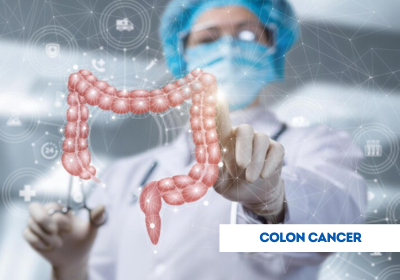
Colon cancer is a type of cancer that begins in the colon, part of the large intestine. It often starts as small benign growths called polyps, which can turn cancerous over time. This condition may affect digestion and can spread if not treated early. With EdhaCare, international patients can access colon cancer treatment in India, Turkey, Thailand, Dubai, and other countries, where doctors provide advanced, precise, and patient-focused care for better recovery.
Who needs Colon Cancer Surgery?
- Patients with early-stage colon cancer where removing the tumour can cure the disease.
- Those with larger or advanced tumours that block the colon or cause bleeding.
- Patients with precancerous polyps that cannot be removed during colonoscopy.
- In some cases, patients with advanced cancer may also need surgery to relieve symptoms like pain, bleeding, or bowel obstruction.
Types of Colon Cancer Procedure
- Polypectomy – Removal of small cancerous polyps during a colonoscopy, usually for very early-stage cancers.
- Local Excision – Removal of cancer and a small portion of nearby tissue through colonoscopy without major surgery.
- Colectomy (Colon Resection) – The most common surgery, where part (partial colectomy) or the entire colon (total colectomy) is removed along with nearby lymph nodes. The remaining sections of the colon are then re-joined.
- Colostomy/Ileostomy (Stoma Creation) – Sometimes, if reconnection of the colon is not possible, an opening is made in the abdominal wall to pass stool into a bag.
- Laparoscopic or Robotic Surgery – A minimally invasive approach using small incisions, cameras, and robotic assistance for faster recovery.
- Palliative Surgery – Done in advanced cases to relieve symptoms like bowel obstruction, bleeding, or pain, rather than to cure the cancer.
1. Recovery Timeline
2. Prosthesis Types
Type | Description | Use Case |
Colonic Stents (Endoprosthesis) | Self-expanding metal s tents (SEMS) inserted via colonoscopy to keep the colon open when blocked by a tumour. | Used in palliative care (advanced, non-operable cases) or as a bridge to surgery. |
Surgical Prosthesis / Ostomy Appliances | Colostomy bag: an external pouch that collects stool after surgery when the colon cannot be re-joined immediately. | Can be temporary or permanent, depending on the surgical outcome. |
Artificial Anal Sphincter (rare in colon, more in rectal cancer) | A mechanical device implanted to restore continence if the natural anal sphincter is removed. | Used in rare cases of rectal cancer requiring sphincter removal. |
3. Cost Comparision
Surgery Type | India (INR) | India (USD) | USA (USD) | UK (USD) | Other Countries (USD) |
Open Surgery | ₹1.5 – 5 lakh | $2,000 – $6,200 | $50,000 – 100,000 | $35,000 – 60,000 | Thailand/Turkey: 10k–20k |
Laparoscopic Surgery | ₹1 – 6 lakh | $1,300 – $7,500 | ~$15,000 | ~$12,000 | UAE: 12k–2 2k |
Robotic Surgery | ₹5 – 8 lakh | $6,200 – $10,000 | $65,000+ (some cases) | Higher than laparoscopy | — |
Why Choose India for Colon Cancer Surgery?
- Affordable Treatment: Costs are 30–50% lower than in the USA/UK.
- World-Class Hospitals: Advanced facilities with international accreditations (NABH, JCI).
- Expert Surgeons: Highly experienced doctors trained in laparoscopic & robotic techniques.
- Latest Technology: Access to minimally invasive and robotic surgery at a fraction of global cost.
- Short Waiting Time: Immediate scheduling, unlike long waits in some countries.
- Comprehensive Care: Pre-surgery, post-surgery, chemo, and rehab support under one roof.
- Medical Tourism Hub: Easy visa process, English-speaking staff, and patient support services.
Pre-Surgery Evaluation and Diagnostics
- Medical History & Physical Examination – Review of overall health, existing conditions, allergies, and current medications.
- Blood Tests – To check blood count, liver/kidney function, clotting ability, and infection risks.
- Imaging Tests – CT scan, MRI, PET, or ultrasound to determine the exact location and spread of disease.
- Endoscopy/Colonoscopy – For direct visualization and biopsy (in colon or GI cancers).
- Cardiac & Pulmonary Evaluation – ECG, echocardiogram, or lung function tests to assess surgical fitness.
- Anaesthesia Assessment – To evaluate risks and plan appropriate anaesthesia management.
- Nutritional & Psychological Assessment – Ensuring the patient is strong physically and mentally for recovery.
Prosthesis Selection and Surgical Planning
1. Patient Assessment
- Review of medical history, diagnosis, age, and lifestyle needs.
- Evaluate overall health, bone quality, and anatomical structure.
2. Prosthesis Selection
- Choice between temporary or permanent prosthesis depending on surgery type.
- Material selection (metal, ceramic, or composite) for durability and compatibility.
- Customized sizing for comfort, mobility, and long-term function.
3. Preoperative Imaging & Measurements
- Simulation of implant position to minimize complications.
- Material selection (metal, ceramic, or composite) for durability and compatibility.
4. Surgical Planning
- Decide surgical approach (open, laparoscopic, robotic).
- Anticipate risks, blood loss, and duration.
- Prepare backup prosthesis options if needed.
5. Patient Counselling
- Educating the patient about prosthesis type, recovery, and long-term care.
- Aligning expectations regarding function and lifestyle after surgery.
Legal & Ethical Framework –
Not applicable directly, since colon cancer treatment is guided by standard medical protocols and does not usually involve separate legal/ethical approvals (except in rare cases like experimental therapies or clinical trials).
Required Documents –
Not needed for local patients, unless the patient is traveling internationally for treatment. In that case, documents may include:
- Valid Passport & Medical Visa
- Medical Records (diagnosis reports, scans, pathology)
- Referral letters (if applicable)
- Insurance/financial documents
Colon Cancer Surgery Procedure
- Surgery is done under general anaesthesia.
- The cancerous part of the colon and nearby lymph nodes are removed.
- Procedure can be open or minimally invasive (laparoscopic/robotic).
- The colon is either reconnected (anastomosis) or a stoma is created if needed.
- Incisions are closed, and drains may be placed.
- Post-surgery care includes pain control, fluids, and gradual return to eating and movement
Risks & Potential Complications
- Bleeding – Excessive blood loss during or after surgery may require transfusions.
- Infection – Risk at the surgical site, inside the abdomen, or in the urinary tract.
- Anastomotic Leak – Leakage at the site where the colon is reconnected, potentially causing serious infection.
- Damage to Surrounding Organs – Nearby organs like the bladder, ureter, or small intestine may be injured.
- Blood Clots (DVT/PE) – Formation of clots in legs or lungs due to reduced mobility.
- Adhesions & Bowel Obstruction – Scar tissue may form and block the intestines.
- Changes in Bowel Function – Diarrhoea, constipation, or urgency may persist post-surgery.
- Hernia – Incisional hernia may develop at the site of the abdominal incision.
- Reactions to Anaesthesia – Including nausea, allergic reactions, or breathing complications.
- Delayed Recovery – Longer hospital stay due to complications or slower healing.
What to Expect After Colon Cancer Surgery:
- Hospital Stay: 5–10 days with monitoring for complications.
- Pain & Recovery: Pain meds provided; gradual return to normal activity.
- Diet: Start with liquids, then soft foods, then regular diet.
- Bowel Function: Temporary changes or stoma care if needed.
- Activity: Light movement encouraged; avoid heavy lifting for weeks.
- Follow-Up: Regular check-ups; additional therapy if required.
- Support: Emotional support helps recovery.
Post-Surgery Recovery & Long-Term Care
1. Immediate Recovery
- Hospital stay of 5–10 days, depending on the procedure.
- Pain management, IV fluids, and monitoring for infection or complications.
- Gradual reintroduction of diet from liquids to solids.
2. Physical Recovery
- Early mobilization to prevent blood clots and improve bowel function.
- Avoid heavy lifting or strenuous activity for 4–6 weeks.
3. Bowel & Stoma Care
- Temporary bowel changes like diarrhoea, constipation, or urgency are common.
- If a stoma was created, proper care and hygiene are essential.
4. Follow-Up & Monitoring
- Regular check-ups for wound healing and early detection of recurrence.
- May include blood tests, imaging, or colonoscopy.
6. Long-Term Lifestyle & Nutrition
- Balanced diet rich in fibre, protein, and fluids.
- Maintain healthy weight, exercise moderately, and avoid smoking/alcohol.
6. Emotional & Mental Health
- Recovery can be physically and emotionally challenging.
- Support groups, counselling, or therapy may help with adjustment.
Colon Cancer Surgery Cost in India
City | Cost Range (INR) |
Hyderabad | ₹1,50,000 – ₹6,50,000 |
Delhi | ₹2,50,000 – ₹5,50,000 |
Mumbai | ₹2,00,000 – ₹5,00,000 |
Chennai | ₹2,70,000 – ₹4,50,000 |
Lucknow | ₹1,50,000 – ₹4,50,000 |
Top Colon Cancer Surgeons in India
Surgeon | Hospital | Location |
Fortis Hospital, Bannerghatta Road | Bengaluru, | |
A.V. Hospital | Bengaluru | |
MACS Clinic | Bengaluru | |
Jaslok Hospital & Research Centre | Mumbai | |
Gadre Hospital | Mumbai | |
Marengo Asia Hospitals | Gurugram | |
BLK Super Speciality Hospital | New Delhi | |
SL Raheja Hospital | Mumbai | |
ACI Cumballa Hill Hospital | Mumbai | |
Medanta – The Medicity | Gurugram, | |
PSRI Hospital | New Delhi |
Best Hospitals for Colon Cancer Surgery in India
Hospital | Location |
Medanta – The Medicity | Gurugram |
Apollo Hospitals | Chhattisgarh |
Kokilaben Dhirubhai Ambani Hospital & Medical Research Institute | Mumbai, |
Fortis Memorial Research Institute | Gurugram, |
Tata Memorial Hospital | Mumbai, |
Colon Cancer Surgery Success Rates in India
Cancer Stage | 3-Year Overall Survival Rate | 5-Year Survival Rate |
Stage I/II | 89.7% | 61.2% |
Stage III | 65.5% | 31.9% |
Stage IV | 22.8% | 9.0% |
Edhacare: Trusted Medical Tourism Company for Colon Cancer Treatment in India
Colon cancer surgery is a vital step in treatment, requiring expert surgeons, advanced techniques, and proper follow-up care. , a trusted medical tourism company for colon cancer in India, connects patients with top hospitals and specialists. With an affordable colon cancer treatment cost in India, patients can access a tailored colon cancer treatment package designed for safe recovery and better outcomes. Through a complete medical tourism package for colon cancer treatment, EdhaCare ensures world-class care, travel support, and post-surgery guidance for a healthier future.
Frequently Questions on Colon Cancer
- Can colon cancer be inherited?
Yes, colon cancer can run in families due to genetic mutations such as Lynch syndrome or familial adenomatous polyposis (FAP). Having a family history of colon or rectal cancer increases the risk. Genetic counselling and testing may help identify individuals at risk. Preventive screening is usually recommended at an earlier age for such patients.
2. What lifestyle changes can reduce the risk of colon cancer?
A healthy diet rich in fiber, fruits, and vegetables lowers the risk of colon cancer. Regular physical activity, avoiding smoking, and limiting alcohol also help. Maintaining a healthy weight reduces the chance of cancer and related complications. Preventive screenings like colonoscopy are essential for early detection.
3. At what age should regular colon cancer screening begin?
For people at average risk, screening typically begins at age 45. Those with a family history or genetic conditions may need to start earlier. Tests include colonoscopy, stool-based tests, and sigmoidoscopy. The frequency of screening depends on results and individual risk factors.
4. Are there non-surgical treatments for colon cancer?
Yes, treatments like chemotherapy, radiation therapy, targeted therapy, and immunotherapy are often used depending on cancer stage. These may be given before surgery or after surgery . In advanced stages, they can help control cancer and relieve symptoms. A personalized treatment plan is developed by oncologists.
5. Does diet play a role in recovery after colon cancer treatment?
Yes, diet is important in healing and regaining strength after treatment. A balanced diet with lean proteins, whole grains, and plenty of fluids supports recovery. Patients may need to avoid fatty, spicy, or gas-forming foods initially. Nutrition counselling can help tailor a diet based on individual tolerance and bowel function.