- Home
- Treatments
- Diabetes
Breast Cancer
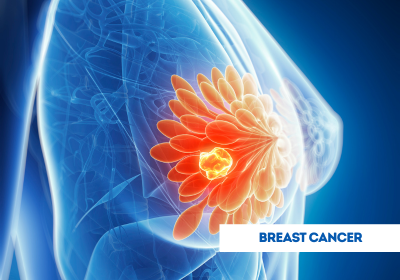
Breast cancer occurs when abnormal cells in the breast grow uncontrollably, forming lumps or masses. While mostly seen in women, men can also be affected. It can start in the ducts, lobules, or connective tissues and may spread through the lymphatic system or bloodstream to other parts of the body. With EdhaCare, international patients can access breast cancer treatment in India, Turkey, Thailand, Dubai, and other countries, where skilled doctors provide tailored care for improved recovery and well-being.
Who Needs Breast Cancer Treatment?
All those who are diagnosed with breast cancer, either by clinical examination or imaging diagnosis, need treatment. Key indications include:
- A confirmed breast lump or tumor.
- Abnormal mammogram or breast ultrasound
- Biopsy showing malignant cells
- The existence of symptoms like nipple discharge, changes in skin, or breast pain.
- Family history or predisposition (genetically, BRCA mutations).
- Treatment for breast cancer includes the following:
- Women with early-stage localized tumors
- Regional patients or patients with metastatic breast cancer
- Patients who have a recurrent or high-risk cancer
- Preventive treatment in high-genetic-risk cases
Types of Breast Cancer Treatment Procedures
A regimen for the treatment of breast cancer usually consists of various combinations of therapies specific to the patient’s cancer type, stage, and health.
Surgery
- Lumpectomy: Tumor’s removal plus the surrounding tissue, but most of the breast is saved.
- Mastectomy: Surgery of removal of one or both breasts, sometimes together with the surrounding lymph nodes.
- Sentinel Lymph Node Biopsy: Removes the first lymph node (s) where cancer is expected to spread.
- Reconstructive Surgery: Rebuilding the appearance of the breast after the mastectomy.
Radiation Therapy
- Makes use of high-energy rays to destroy the cancer cells or reduce tumors.
- Frequently used after the lumpectomy or mastectomy procedure to destroy leftover cancer cells.
Chemotherapy
- Systemic pharmacological therapy in order to kill or suppress cancer growth.
- Given pre-operatively (neoadjuvant) or post-operatively (adjuvant).
Hormonal (Endocrine) Therapy
- Used for hormone receptor-positive breast cancers.
- Medications such as Tamoxifen or aromatase inhibitors block hormone effects.
Targeted Therapy
- Drugs like Trastuzumab (Herceptin) target specific cancer cell receptors like HER2.
Immunotherapy
- Especially useful for triple-negative breast cancer.
- Stimulates the immune system to attack cancer cells.
Pre-Surgery Evaluation and Diagnostics
Before any treatment begins, a thorough assessment is conducted:
- Clinical Breast Exam: Physical examination of the breast and lymph nodes.
- Mammography: X-ray of the breast to detect abnormalities.
- Ultrasound or MRI: Provides more detailed imaging.
- Biopsy: Confirms the presence and type of cancer.
- Receptor Testing: Estrogen, progesterone, and HER2 status to guide treatment.
- Genetic Testing: BRCA1/2 and other markers if there’s a strong family history.
- Blood Tests: Assess overall health and organ function.
Selection and Surgical/Procedure Planning
A multidisciplinary team of oncologists, breast surgeons, and radiologists designs a personalized treatment plan based on:
- Cancer type, size, and grade
- Hormone receptor and HER2 status
- Patient’s age, medical history, and preferences
- Risk of recurrence
- Need for breast reconstruction
Patients with smaller, localized tumors may undergo breast-conserving surgery. Those with aggressive or widespread tumors may require mastectomy followed by chemotherapy or radiation.
Breast Cancer Surgery Procedure
Common Surgical Steps:
- Anesthesia: General anesthesia is administered.
- Tumor Removal:
- In lumpectomy, only the tumor and a small margin are excised.
- In mastectomy, the entire breast tissue is removed.
- Lymph Node Examination:
- Sentinel node or axillary lymph nodes are examined or removed.
- Reconstruction (if needed): Implants or tissue flaps are used to recreate breast shape.
- Closure and Recovery: Incision is closed, and drains may be placed.
Minimally invasive techniques and robotic assistance are used in some advanced centers to minimize recovery time and scarring.
Risks & Potential Complications of Breast Cancer Treatment
Though generally safe, breast cancer treatment may carry risks:
- Infection at the surgical site
- Bleeding or hematoma
- Lymphedema (swelling in the arm due to lymph node removal)
- Scarring and cosmetic concerns
- Fatigue, nausea (common with chemotherapy)
- Hair loss, appetite changes
- Hormonal side effects: hot flashes, mood swings, infertility
- Risk of recurrence
What to Expect After Breast Cancer Surgery?
Post-surgical recovery depends on the extent of surgery and additional therapies.
- Hospital stay: 1–2 days (lumpectomy) to 3–5 days (mastectomy)
- Pain and swelling around the incision
- Drains may be present for a few days to prevent fluid accumulation
- Stitches removed in 1–2 weeks
- Gradual return to normal activities over 4–6 weeks
- Radiation, chemotherapy, or hormonal therapy may begin a few weeks later
Post-Surgery Recovery & Long-Term Care
Long-term care focuses on monitoring, emotional health, and quality of life:
- Physical Therapy: Especially for arm mobility and lymphedema prevention
- Psychological Support: Counseling for emotional well-being
- Routine Follow-Ups: Mammograms, blood work, and imaging to monitor for recurrence
- Lifestyle Modifications: Diet, exercise, and smoking cessation
- Medication Compliance: Hormonal therapies may continue for 5–10 years
Breast Cancer Treatment Success Rate in India
India has witnessed remarkable advancements in breast cancer treatment. Survival rates are steadily improving with early detection and comprehensive care.
- Early-stage (Stage I-II): 80-90% 5-year survival
- Stage III: ~60%
- Stage IV: 20-40% with aggressive treatment
Factors influencing outcomes:
- Stage at diagnosis
- Tumor biology (HER2, hormone receptor status)
- Patient’s age and health
- Timeliness of treatment
Cost of Breast Cancer Treatment in India
International patients travel to India for breast cancer treatment due to the availability of highly skilled oncologists and the latest technologies available at top-notch hospitals. The cost of breast cancer treatment in India varies from USD 6,000 to USD 12,000. The varies depending on the type of treatment, hospital type, experience of the doctor, post-operative stay in India, and other such factors.
Why Choose India for Breast Cancer Treatment?
India is a globally recognized hub for affordable and advanced breast cancer care:
- State-of-the-art infrastructure with PET-CT, MRI, and precision radiotherapy
- Top surgeons and oncologists trained in the US/UK
- Access to robotic surgery and advanced reconstruction techniques
- Comprehensive cancer centers offering multi-modality treatment
- Cost 60 to 80% lower than in Western countries
Tata Memorial Centre leads the National Cancer Grid, offering high-standard treatment protocols across India.
Required Documents for Patients Traveling to India for Breast Cancer Treatment
For international patients planning to undergo breast cancer treatment in India, certain documents are required to ensure a hassle-free medical trip. These include:
- Valid Passport: Must be valid for at least six months from the date of travel.
- Medical Visa (M Visa): Issued by the Indian Embassy/Consulate based on medical necessity.
- Invitation Letter from Indian Hospital: A confirmation from the hospital outlining the treatment plan and duration.
- Recent Medical Records: Including X-rays, MRIs, blood reports, and a doctor’s referral from the home country.
- Completed Visa Application Form: Along with passport-size photographs as per specifications.
- Proof of Financial Means: Recent bank statements or health insurance coverage.
- Medical Attendant Visa: Required for a companion or caretaker traveling with the patient.
It’s recommended to consult the Indian consulate or your medical facilitator for updated guidelines and assistance with documentation.
Top Breast Cancer Surgeons in India
Here is a look at some of the top cancer surgeons in the country today.
- Dr. B. Niranjan Naik – Fortis Memorial Research Institute, Gurugram
- Dr. Geeta Kadayaprath – Max Hospital, New Delhi
- Dr. Anagha Zope – Marengo CIMS Hospital, Ahmedabad
- Dr. Jayanti Thumsi – Apollo Hospitals, Bannerghatta, Bangalore
- Dr. Selvi Radhakrishnan – Apollo Cancer Centre and Apollo Proton Cancer Centre, Chennai
Best Hospitals for Breast Cancer Treatment in India
Here are some of the top hospitals for breast cancer treatment in the country, offering access to specialists and cutting-edge infrastructure.
- Tata Memorial Hospital, Mumbai
Edhacare: Trusted Medical Tourism Company for Breast Cancer Treatment in India
Breast cancer treatment requires early detection, advanced therapies, and long-term support. , a trusted medical tourism company for , provides access to leading oncologists and hospitals. With an affordable breast cancer treatment cost in India, patients can choose from a personalized breast cancer treatment package. Through a comprehensive medical tourism package for breast cancer treatment, EdhaCare ensures complete care, from diagnosis to recovery.
Frequently Asked Questions on Breast Cancer
1. Can breast cancer be completely cured?
Yes, early-stage breast cancer is often curable with surgery, radiation, and/or medications.
2. How long is the recovery time after a mastectomy?
Most patients recover in 4–6 weeks, although complete healing may take longer.
3. Is breast reconstruction mandatory after mastectomy?
No. It’s optional and depends on patient preference and medical advice.
4. Will I lose my hair during treatment?
Yes, hair loss is common with chemotherapy, but it is usually temporary.
5. Can men get breast cancer?
Yes, though rare, breast cancer can affect men and requires similar treatment protocols.