- Home
- Treatments
- Diabetes
Bone Cancer
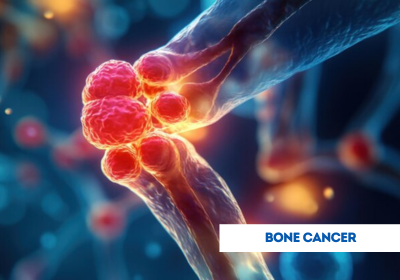
Our bones provide mechanical support, enable movement, and protect vital organs, but trauma, tumors, and infections can affect their function. Bone cancer is a rare malignancy that can begin in the bone itself (primary) or spread from another part of the body (secondary). Treatment depends on cancer type, stage, location, and overall health. With EdhaCare, international patients can access bone cancer treatment in India, Turkey, Thailand, Dubai, and other countries, under doctors’ care for precise, advanced, and personalized treatment.
Who Needs Bone Cancer Treatment?
Bone cancer treatment is necessary for patients who experience:
- Persistent bone pain, especially at night
- Swelling or a lump over a bone
- Unexplained fractures or bone weakness
- Fatigue and unintended weight loss
- X-rays or scans showing suspicious bone lesions
People diagnosed with primary bone cancer or secondary bone cancers (such as from breast, prostate, or lung cancer) need timely treatment to control the disease and prevent spread.
Types of Bone Cancers
Bone cancers can be divided into the following two types:
- Primary bone cancers (sarcomas)
- Osteosarcomas
- Chondrosarcomas
- Ewing Sarcomas
- Secondary bone cancers (metastases)
Pre-Treatment Evaluation and Diagnostics
Proper diagnosis is the first step in treating bone cancer. Before your treatment journey starts, your doctor will order some tests, including:
- X-rays and MRI/CT scans
- Bone scans or PET scans
- Biopsy (needle or surgical) to confirm cancer
- Blood tests to check markers or organ function
These tests help determine the type and stage of the cancer.
Selection and Treatment Planning
Once diagnosed, a multidisciplinary team, including oncologists, orthopedic surgeons, and radiologists, develops a personalized treatment plan. Factors considered include:
- Type and stage of bone cancer
- Location and size of the tumor
- Age and general health
- Potential impact on limb function and mobility
The treatment aims to remove or destroy the cancer while preserving as much bone and function as possible.
Process of Bone Cancer Treatment
There are various treatment options available for the treatment of bone cancer. The treatment may involve one of the following or a combination of two treatments:
- Surgery – The tumor is surgically removed with or without limb reconstruction. It may include:
- Limb-sparing surgery
- Amputation (in severe cases)
- Reconstructive surgery
- Chemotherapy – Chemotherapy involves the use of strong drugs to kill cancer cells. It is commonly used for osteosarcoma and Ewing’s sarcoma.
- Radiation Therapy – In radiation therapy, high-energy rays (external beam radiation) are delivered in sessions to destroy cancer cells. This is especially used when surgery is not an option.
- Targeted Therapy – In targeted therapy, the patients take medicines (orally or by IV) that target specific genes or proteins in cancer cells.
- Cryosurgery – Freezing cancerous tissue, used in selected cases.
There are chances of drug resistance and disease recurrence with traditional therapies such as chemotherapy, radiotherapy, and surgical resection. Therefore, a multidisciplinary team decides the best combination of treatments for each patient. Patients will be closely monitored post-treatment for response and side effects throughout the treatment journey.
Risks & Potential Complications of Bone Cancer Treatment
There are certain risks involved with each and every treatment. Possible risks vary by treatment type and may include the following:
- Infection after surgery
- Nerve damage or mobility loss
- Chemotherapy side effects (nausea, fatigue, hair loss)
- Radiation burns or tissue scarring
- Amputation in advanced cases
Your doctor and their team will closely monitor your condition post-treatment. They will manage side effects (if they occur) throughout the treatment process.
What to Expect After Bone Cancer Treatment?
You can expect the following after you undergo treatment for bone cancer:
- You may need physical therapy after surgery to regain limb strength.
- Regular blood tests and scans are done to monitor recovery.
- Some may require reconstructive surgeries or prosthetics.
- Long-term medication or hormone therapy may be prescribed in some cases.
Post-Treatment Recovery & Long-Term Care
Recovery depends on the treatment type and overall health:
- Surgical recovery: May take 6–12 weeks with regular physiotherapy.
- Chemotherapy/Radiation: May cause fatigue for weeks after treatment ends.
- Follow-up care: Regular checkups for recurrence and side effects.
Long-term care includes maintaining a healthy diet, avoiding injury to treated limbs, and providing psychological support.
Bone Cancer Treatment Success Rate in India
The success rate of a bone cancer treatment depends on the type and stage of cancer. India sees encouraging outcomes:
- Early-stage Bone Cancer: 70-80% 5-year survival rate
- Advanced Stage or Metastatic: 40-60% with aggressive treatment
Success is higher with early diagnosis and multidisciplinary care.
Bone Cancer Treatment Cost in India (in USD)
Here’s an estimated cost range for different treatment options:
| Treatment Type | Estimated Cost (USD) |
| Surgery | USD 17,000 – USD 20,000 |
| Chemotherapy (per cycle) | USD 1,000 – USD 1,200 |
| Radiation Therapy | USD 3,800 – USD 4,200 |
| Targeted Therapy (monthly) | USD 1,500 – USD 2,500 |
Note: Costs depend on the hospital, cancer stage, and length of treatment.
Why Choose India for Bone Cancer Treatment?
India is a preferred destination for bone cancer treatment due to:
- World-class oncology centers: Many Indian hospitals are internationally accredited and have specialized cancer units with high success rates.
- Affordable pricing compared to Western countries: Indian hospitals offer treatment for bone cancer at a much lower price without compromising the quality of healthcare. The treatment is much more affordable in India than in other Western nations such as the USA, the UK, Australia, etc.
- Experienced oncologists and orthopedic surgeons: Most of the hospitals and cancer care centres in India comprise renowned, qualified, and internationally trained oncologists.
- Advanced radiation technologies and surgical tools: Indian hospitals equip themselves with advanced radiation technologies and surgical tools to aid in the bone cancer treatment journey. The first Stryker Nav 3 Navigation system for orthopedic oncology in India was set up at Max Institute of Cancer Care, Saket.
- Personalized care for international patients: International patients visiting India for bone cancer treatment receive personalized treatment tailored to their needs. They are provided with bilingual staff who help them with every requirement.
Getting bone cancer treatment in India is easy. You just have to go through the documentation process for a hassle-free treatment journey in India.
Documents Required for Patients Traveling to India for Bone Cancer Treatment
For international patients contemplating bone cancer treatment in India, it is necessary to present certain documentation to have a smooth medical journey. These include:
- Valid Passport: Valid for a minimum of six months after the date you travel.
- Medical Visa (M Visa): Granted by the Indian Embassy/Consulate on medical grounds.
- Invitation Letter from Indian Hospital: A formal letter explaining the course of treatment and how long it will last.
- Recent medical records: X-rays, MRIs, blood tests, and a referral note by a doctor in the home country.
- Completed visa application form: With passport-size photographs according to specifications.
- Proof of means: Bank statements dated in the past few months or health insurance.
- Medical Attendant visa: Needed for a companion or caregiver traveling with the patient.
It is advisable to refer to the Indian consulate or your medical facilitator for the latest information and help in documentation.
Top Bone Cancer Specialists in India
Some of India’s top bone cancer specialists include:
- – Jaslok Hospital, Mumbai
- – Max Super Speciality Hospital, Saket
- Dr. Haresh Manglani – Fortis Hospital, Mulund, Mumbai
- Dr. Rajat Gupta – Fortis Hospital, Mohali
- Dr. Ramesh Nimmagadda – Apollo Hospitals, Chennai
These specialists have vast experience in treating rare cancers like bone tumors.
Best Hospitals for Bone Cancer Treatment in India
Best cancer hospitals in India offering specialized bone cancer care:
These hospitals are equipped with advanced cancer care technologies and comprehensive cancer care teams.
Edhacare: Trusted Medical Tourism Company for Bone Cancer Treatment in India
Bone cancer treatment needs expert surgical care, advanced therapies, and rehabilitation. , a trusted medical tourism company for bone cancer treatment in India, links patients to top hospitals and specialists. With an affordable bone cancer treatment cost in India, patients gain access to a customized bone cancer treatment package. A comprehensive medical tourism package for bone cancer treatment ensures smooth management of travel, treatment, and recovery.
Frequently Asked Questions on Bone Cancer
- Is bone cancer curable?
Yes, many cases of bone cancer are curable if diagnosed early and treated properly.
- How long does treatment take?
Treatment duration varies but typically lasts 3 to 6 months, depending on the type and stage.
- Can bone cancer return after treatment?
Yes, recurrence is possible. Regular follow-ups help catch it early if it returns.
- Will I lose my limb during surgery?
In most cases, limb-sparing surgery is done. Amputation is rare and only used when absolutely necessary.
- Is treatment painful?
Some pain and discomfort are expected, but pain management is a key part of cancer care.