
- Home
- Treatments
- Diabetes
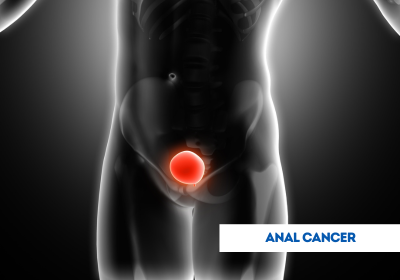
Anal Cancer
Anal cancer is a rare form of cancer that develops in the tissues of the anus, usually starting in the squamous cells lining the anal canal. Though uncommon compared to other gastrointestinal cancers, it is often treatable, especially when detected early. Risk factors include HPV infection, a weakened immune system, smoking, and chronic inflammation. With EdhaCare, international patients can access anal cancer treatment in India, Turkey, Thailand, Dubai, and other countries, where experienced doctors provide advanced, precise, and compassionate care.
Who Needs Anal Cancer Surgery?
Surgery for anal cancer may be recommended in the following situations:
- Small or Early-Stage Tumours – When cancer is confined to a small area of the anal canal.
- Non-Responsive to Other Treatments – If chemotherapy and radiation do not fully remove the tumour.
- Recurrence – When cancer returns after previous treatment.
- Certain Types of Tumours – Some slow-growing or non-squamous cancers may require surgical removal as the first line of treatment.
- Severe Symptoms – In cases where tumour growth causes pain, bleeding, or obstruction.
Types of Anal Cancer Treatment Procedures
- Local Excision – Removes small early-stage tumours with minimal tissue loss.
- Abdominoperineal Resection (APR) – Removes anus, rectum, part of colon; requires permanent colostomy.
- Chemo-Radiation Therapy – Standard first-line treatment combining chemotherapy and radiation.
- Palliative Surgery – Relieves symptoms in advanced cancer cases.
- Immunotherapy & Targeted Therapy – Advanced/recurrent cases using immune-based or targeted drugs.
A. Recovery Timeline After Surgery
B. Cost Comparison (Approximate)
| Country | Local Excision | APR Surgery | Chemo radiation |
India | $2,000–$4,000 | $5,000–$8,000 | $2,500–$5,000 |
USA | $15,000–$25,000 | $40,000+ | $20,000–$35,000 |
Australia | $12,000–$20,000 | $35,000+ | $15,000–$25,000 |
C. Types of Colostomy Bags (Post-APR Surgery)
- One-Piece System: Bag and skin barrier in one unit, easy for short-term use.
- Two-Piece System: Separate skin barrier and pouch, more convenient for frequent change.
- Closed-End Bags: For less frequent emptying, ideal for formed stool.
- Drainable Bags: For liquid stool, reusable after cleaning.
Why Choose India for Anal Cancer Surgery?
- Highly Skilled Surgeons – Oncologists and colorectal surgeons trained at top international institutions.
- Advanced Medical Technology – Access to robotic surgery, modern radiotherapy equipment, and targeted cancer therapies.
- Affordable Costs – Treatment costs are often 60–80% lower than in Western countries, without compromising quality.
- Comprehensive Cancer Care – Multidisciplinary teams including oncologists, radiologists, nutritionists, and physiotherapists.
- International Patient Support – Assistance with travel, visas, accommodation, and follow-up care for overseas patients.
Pre-Surgery Evaluation and Diagnostics
Before undergoing anal cancer surgery, patients go through a comprehensive pre-operative assessment to determine the best treatment approach and ensure safety during the procedure.
Typical Pre-Surgery Steps:
- Medical History & Physical Examination – Review of symptoms, previous treatments, and overall health.
- Digital Rectal Examination (DRE) – To assess tumour size and location.
- Anoscopy or Proctoscopy – Visual examination of the anal canal using a scope.
- Biopsy – Confirming cancer type by examining tissue samples.
- Imaging Tests – MRI, CT scan, or PET-CT to check tumour spread and stage the cancer.
- Blood Tests – To assess general health and readiness for surgery.
- Pre-Anaesthesia Evaluation – Ensuring the patient is fit for anaesthesia.
Prosthesis Selection and Surgical Planning
While anal cancer surgery does not involve traditional “prosthetics” like in orthopaedic or joint replacement surgeries, certain cases—especially abdominoperineal resection (APR)—require the placement of a colostomy system. Selecting the right system is a crucial part of surgical planning to ensure long-term comfort, hygiene, and quality of life.
- Prosthesis (Colostomy System) Selection
- One-Piece Pouches – Bag and skin barrier combined; easy for short-term use.
- Two-Piece Pouches – Separate skin barrier and bag; convenient for frequent pouch changes.
- Closed-End Bags – Best for formed stool; disposable after each use.
- Drainable Bags – Ideal for liquid stool; can be emptied and reused.
- Skin-Friendly Adhesives – Reduce irritation and improve comfort.
- Surgical Planning
- Tumour Staging & Treatment Strategy – Deciding between local excision, chemo radiation, or APR based on cancer stage.
- Colostomy Site Marking – Preoperative marking by a stoma care nurse to ensure optimal placement for comfort and accessibility.
- Patient Counselling – Discussing surgical outcomes, lifestyle changes, and stoma care.
- Nutrition & Recovery Plan – Dietary adjustments before and after surgery to aid healing.
- Multidisciplinary Coordination – Surgeons, oncologists, nutritionists, and rehabilitation specialists working together for the best outcome.
Anal Cancer Surgery Procedure
While surgery is less commonly the first line of treatment for anal cancer, it becomes necessary in cases where chemo radiation is insufficient. There are two main surgical approaches:
1. Abdominoperineal Resection (APR)
- What It Involves: Removal of the distal colon, rectum, and anus, resulting in a permanent colostomy
- When it’s used: For tumours located in the lower rectum or anal canal that cannot be preserved without compromising sphincter function.
- Technique: Combines abdominal and perineal incisions, removes adjacent lymph nodes to reduce recurrence risk.
2. Surgical Steps Generally Involved
- Preoperative Preparation: Imaging and tumour staging guide surgical planning.
- Anaesthesia & Access: Use of general or regional anaesthesia; surgical approach depends on tumour location.
- Excision: Tumour resection, lymph node evaluation, and tissue removal as needed.
- Stoma Creation: For APR, the sigmoid colon is redirected to a stoma opening.
- Closure & Recovery: Wound closure, postoperative care, pain management, and colostomy training as applicable.
Risks & Potential Complications
Like any major surgical procedure, anal cancer surgery carries certain risks. These can vary depending on the patient’s overall health, cancer stage, and the type of surgery performed.
Possible Risks Include:
- Infection – At the surgical site or internally.
- Bleeding – Either during or after the procedure.
- Blood Clots – Deep vein thrombosis (DVT) or pulmonary embolism.
- Wound Healing Problems – Especially in the perineal area.
- Changes in Bowel Function – Such as increased frequency, urgency, or incontinence.
- Colostomy-Related Issues – Skin irritation, leakage, or blockage (in APR cases).
- Nerve or Muscle Damage – Leading to pelvic discomfort or reduced control over bowel movements.
- Recurrence of Cancer – Despite surgery, cancer may return, requiring further treatment.
What to Expect After Anal Cancer Surgery
Recovery depends on the type of surgery and your overall health.
Immediately After Surgery (0–2 weeks):
- Close monitoring in recovery/ICU.
- Pain managed with medications.
- Colostomy care training if required.
Early Recovery (2–6 weeks):
- Gradual return to light activities.
- Transition from soft diet to normal food.
- Regular wound care and follow-ups.
Mid to Long Term (6 weeks–6 months):
- Most patients resume daily routines.
- Ongoing stoma care if applicable.
- Follow-up exams, imaging, and possible further treatment.
- Emotional/psychological support may help adjustment.
Long-Term Care:
- Regular cancer surveillance.
- Education on self-care and healthy lifestyle.
- Support for emotional wellbeing and body image.
Anal Cancer Surgery Cost in India
Service/Procedure | Estimated Cost (India) |
Standard Anal Cancer Surgery | USD 2,300–3,000 (₹200k–₹250k) |
Minimally Invasive | ₹250k–₹450k (USD 3,000–5,400) |
General Colorectal Surgery | ₹150k–₹200k (USD 1,800–2,400) |
Best Hospitals for Anal Cancer Surgery in India
Hospital Name | Location |
Tata Memorial Centre | Mumbai |
Apollo Proton Cancer Centre | Chennai |
Medanta – The Medicity | Gurugram |
AIIMS (All India Institute of Medical Sciences) | New Delhi |
Rajiv Gandhi Cancer Institute & Research Centre | New Delhi |
Top Anal Cancer Surgeons in India
Doctor | Hospital / Institution | City |
Apollo Gleneagles Hospital / AMRI / Fortis | Kolkata | |
| Apollo Hospitals / Assana Colorectal Clinic | Chennai | |
| Max Super Speciality Hospital, Saket | New Delhi | |
| Indraprastha Apollo Hospital | New Delhi | |
| Apollo Proton Cancer Centre | Chennai |
Anal Cancer Surgery Success Rate in India
| Stage or Setting | 5-Year Survival / Success Rate |
| Early-stage (localized) | ~80–85% |
| Locally advanced (Stage III) | ~60–70% |
| Advanced/metastatic (Stage IV) | ~20–30% |
| Overall early-stage success | 70–90% (varies by configuration and reporting) |
Edhacare: Medical Tourism Company for Anal Cancer Treatment in India
Anal cancer surgery demands expert care, timely recovery, and consistent follow-up for the best outcomes. , a trusted medical tourism company for , connects patients with top hospitals and specialists for world-class care. With an affordable anal treatment cost in India, patients can access complete facilities through a tailored anal treatment package. EdhaCare ensures a smooth and compassionate healthcare journey with a comprehensive medical tourism package for anal cancer treatment, covering diagnosis, treatment, travel, and recovery support.
Frequently Asked Questions on Anal Cancer
- What is anal cancer and how common is it?
Anal cancer is a rare cancer that develops in the tissues of the anus, most often in the squamous cells lining the anal canal. It is far less common than other gastrointestinal cancers but can often be treated successfully if detected early.2. What are the main treatment options for anal cancer?
Treatment options include chemoradiation therapy (most common first-line treatment), local excision for small tumours, abdominoperineal resection (APR) for advanced or non-responsive cases, palliative surgery for symptom relief, and targeted or immunotherapy for advanced or recurrent cancer.3. When is surgery necessary for anal cancer?
Surgery may be recommended when the tumour is small and localised, if it doesn’t respond to chemoradiation, in cases of recurrence, or when symptoms such as pain or obstruction require intervention.4. What is the success rate of anal cancer surgery in India?
For early-stage anal cancer, the 5-year survival rate is about 80–85%; for locally advanced Stage III, it’s around 60–70%; and for advanced Stage IV, it drops to 20–30%.5. Why choose India for anal cancer treatment?
India offers internationally trained surgeons, advanced technologies such as robotic surgery and modern radiotherapy, comprehensive multidisciplinary care, and costs that are often 60–80% lower than in Western countries, without compromising quality.