
- Home
- Treatments
- Diabetes
Balloon Mitral Valvuloplasty
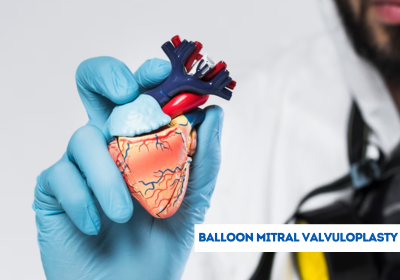
Balloon Valvuloplasty is a minimally invasive heart procedure used to open stiff or narrowed valves, such as the aortic or mitral valves. It is also called balloon valvotomy. The procedure involves inserting a thin catheter through a blood vessel in the groin, avoiding open-heart surgery. Balloon mitral valvuloplasty specifically targets the mitral valve, which controls blood flow from the lungs to the rest of the body. It helps restore proper blood flow and reduces symptoms caused by valve stenosis. Now access Balloon valvuloplasty in India, Turkey, Thailand, Dubai, and other leading countries at low cost. Contact EdhaCare for expert cardiologists with complete support.
Balloon Mitral Valvuloplasty – Estimated Cost
The cost of balloon mitral valvuloplasty can fluctuate depending on the procedure type, hospital facilities, severity of the valve condition, and the expertise of the cardiologists performing the intervention. Below are approximate costs for balloon mitral valvuloplasty in India, Turkey, Thailand, and Dubai:
| Country | Approximate Cost |
|---|---|
| India | USD 5,000 – 18,000 |
| Turkey | USD 12,000 – 30,000 |
| Thailand | USD 15,000 – 35,000 |
| Dubai | USD 18,000 – 45,000 |
Note: Above costs for balloon mitral valvuloplasty are estimated. Reach out to EdhaCare for exact cost of balloon mitral valvuloplasty and personalized guidance.
Top Hospitals in India for Balloon Mitral Valvuloplasty
Here are the best hospitals for balloon mitral valvuloplasty in India, selected by EdhaCare to guide you to top hospitals in India for balloon mitral valvuloplasty offering advanced treatment and specialized care for heart valve conditions.
| Hospital Name | Location |
|---|---|
| Fortis Hospital | Delhi |
| Apollo Hospital | Chennai |
| Max Super Speciality Hospital | Delhi |
| Manipal Hospital | Bangalore |
| Nanavati Max Super Speciality Hospital | Mumbai |
Top Doctors in India for Balloon Mitral Valvuloplasty
Here are the best doctors for balloon mitral valvuloplasty in India, carefully selected by EdhaCare to provide expert guidance and personalized care. Connect with top doctors in India for balloon mitral valvuloplasty who use advanced techniques to ensure safe and effective valve repair.
| Doctor Name | Hospital Name | Location |
|---|---|---|
| Dr. Naresh Trehan | Medanta Hospital | Gurugram |
| Dr. Asim Kr Bardhan | Apollo Hospital | Kolkata |
| Dr. Upendra Kaul | Batra Hospital | Delhi |
| Dr. Cyrus B Wadia | Jaslok Hospital | Mumbai |
| Dr. Prashanth Kr. Ghosh | Apollo Hospital | Delhi |
Who Needs to Have a Balloon Mitral Valvuloplasty?
- Mitral Valve Stenosis Patients: People with narrowing of the mitral valve that restricts blood flow in the heart.
- Symptomatic Individuals: Those experiencing breathlessness, fatigue, or chest pain due to mitral valve narrowing.
- Non-Surgical Candidates: Patients unable to undergo open-heart surgery due to health risks or age.
- Pregnant Women with Mitral Stenosis: Women needing valve treatment during pregnancy may benefit from this less invasive option.
- Temporary Relief: Patients awaiting a more permanent solution, like valve replacement surgery, may receive this procedure to ease symptoms temporarily.
Balloon valvuloplasty is a cardiac intervention to open up a stenotic or stiffed heart valves (e.g., aortic or mitral) using a catheter with a balloon on the tip. It is also known as balloon valvotomy. It is a less invasive procedure because it is done by inserting a catheter into the blood vessel from groin percutaneously rather than valve replacement with cardiothoracic surgical or other open methods. Some key indications for this procedure include:
Symptomatic Relief: When patients exhibit symptoms such as shortness of breath, fatigue, palpitations, or fluid retention due to mitral valve stenosis, valvuloplasty can help alleviate these discomforts.
Mitral Valve Area Measurement: A critical factor in determining the suitability for valvuloplasty is the measurement of the mitral valve area. If this area is significantly narrowed, the procedure may be recommended.
Valve Anatomy: The decision to perform valvuloplasty depends on the valve’s anatomy and the presence of certain characteristics that make it amenable to balloon dilation.
Patient Suitability: The overall health and condition of the patient, including factors like age and the presence of other heart problems, influence the decision.
Risks and Benefits of Balloon Mitral Valvuloplasty
Balloon Mitral Valvuloplasty is a minimally invasive procedure used to treat mitral valve stenosis, which occurs when the mitral valve becomes narrowed and restricts blood flow.
Benefits of Balloon Mitral Valvuloplasty:
- Improved Blood Flow: The procedure opens up the narrowed mitral valve, allowing for better blood flow between the heart’s chambers.
- Symptom Relief: It helps relieve symptoms such as shortness of breath, chest pain, and fatigue, improving the patient’s quality of life.
- Less Invasive: Unlike open-heart surgery, Balloon Valvuloplasty is a minimally invasive procedure, meaning smaller incisions and faster recovery.
- Quick Recovery: Patients usually recover faster and spend less time in the hospital compared to traditional heart surgery.
- Lower Risk for Some Patients: It is an ideal option for people who are not candidates for surgery due to age, pregnancy, or other health risks.
Risks Of Balloon mitral valvuloplasty
While balloon mitral valvuloplasty is generally considered safe and effective, like any medical procedure, it carries some risks and potential complications:
- Valve Tear: In rare cases, the balloon dilation process can lead to a tear in the valve leaflets.
- Regurgitation: Overstretching the valve may result in some degree of regurgitation or leakage.
- Arrhythmias: Irregular heart rhythms can occur during or after the procedure.
- Blood Clots: There is a risk of blood clots forming within the heart, which can lead to stroke or other complications.
- Infection: As with any invasive procedure, there is a small risk of infection at the catheter insertion site or within the heart.
- Restenosis: In some cases, the narrowing of the valve may recur over time, necessitating further treatment.
In conclusion, Balloon Mitral Valvuloplasty offers significant benefits for people with mitral stenosis but comes with potential risks that need to be considered
How It Works:
Balloon Mitral Valvuloplasty is a procedure that opens a narrowed mitral valve in the heart. During the procedure, a thin tube called a catheter is inserted through a blood vessel in the groin and guided to the heart. A small balloon at the end of the catheter is positioned across the narrowed valve. When the balloon is inflated, it stretches the valve opening, allowing more blood to flow from the left atrium to the left ventricle. This can relieve symptoms like shortness of breath, fatigue, and chest pain caused by mitral valve stenosis.
Procedure of Balloon Mitral Valvuloplasty
Balloon Mitral Valvuloplasty is a minimally invasive procedure designed to treat mitral valve stenosis, a condition where the mitral valve narrows, limiting blood flow. Here’s a detailed look at how the procedure works, from preparation to recovery.
Before the Procedure
Consultation and Evaluation:
- Patients meet with a cardiologist to discuss symptoms and undergo tests such as echocardiograms to assess heart function and the severity of mitral stenosis.
- Patients may need to stop certain medications, like blood thinners, before the procedure.
Pre-Procedure Preparations:
- Patients are advised to fast for several hours before the procedure.
- An IV line is set up to provide medications and fluids during the procedure.
During the Procedure
Anesthesia:
- Local anesthesia is administered to numb the area where the catheter will be inserted, and sedation may be provided to help the patient relax.
Catheter Insertion:
- A small incision is made, usually in the groin, to access a blood vessel.
- A thin, flexible tube called a catheter is threaded through the blood vessel and guided to the heart under fluoroscopy (a type of X-ray).
Balloon Inflation:
- Once the catheter reaches the narrowed mitral valve, a deflated balloon at the tip of the catheter is positioned across the valve.
- The balloon is then inflated, which stretches and widens the narrowed opening of the mitral valve, allowing for improved blood flow.
Assessment:
- After balloon inflation, the healthcare team evaluates the results using echocardiography to ensure the valve is functioning properly and the opening is adequately enlarged.
Deflation and Removal:
- The balloon is deflated and removed, along with the catheter.
After the Procedure
Monitoring:
- Patients are moved to a recovery area where they are closely monitored for several hours.
- Vital signs, including heart rate and blood pressure, are regularly checked.
Post-Procedure Care:
- Patients may experience some discomfort, bruising, or swelling at the insertion site. Pain relief medications can be administered as needed.
- Instructions are given on when to resume normal activities, which typically includes avoiding strenuous exercise for a few weeks.
Follow-Up:
- Follow-up appointments are scheduled to monitor the patient’s recovery and heart function.
- Echocardiograms may be performed to assess the effectiveness of the procedure and check for any complications.
Recovery
After the procedure of Balloon Mitral Valvuloplasty, patients are monitored for several hours in a recovery area. It’s normal to feel some soreness or bruising at the catheter insertion site. Most patients can go home the same day or the next. Doctors usually recommend avoiding heavy exercise and strenuous activities for a few weeks to allow the body to heal properly. Follow-up appointments will be scheduled to check heart function and ensure the valve is working well. Many patients notice an improvement in their symptoms within days, making daily activities easier and more comfortable.