
- Home
- Treatments
- Diabetes
Aortopulmonary window
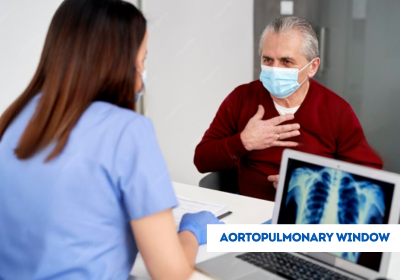
Aortopulmonary Window is a rare congenital heart condition where an abnormal opening exists between the aorta and the main pulmonary artery. This causes oxygen-rich and oxygen-poor blood to mix improperly. Symptoms may include difficulty breathing, heart murmurs, and cyanosis (bluish skin), depending on the severity of the defect. With EdhaCare, international patients can access aortopulmonary window treatment in India, Turkey, Thailand, Dubai, and other leading countries. Expert cardiac surgeons provide advanced care with full support and assistance throughout diagnosis, surgery, and recovery.
About Aortopulmonary window
Symptoms: In newborns, cyanosis (bluish staining of the skin), heart murmurs, respiratory discomfort, and inadequate weight gain are all possible signs of an aortopulmonary window.
Causes: The disorder is brought on by a defect in fetal development that prevents the pulmonary arteries and aorta from properly septating.
Remedies: The main course of treatments for an aortopulmonary window is surgery. To restore normal blood flow and avoid consequences from mixing oxygen-rich and oxygen-poor blood, the improper contact between the pulmonary artery and the aorta is closed surgically. For the best results, an early diagnosis and swift surgical treatment are essential.
Aortopulmonary Window – Estimated Cost
The cost of aortopulmonary window repair can vary depending on the surgical technique used (open-heart surgery or minimally invasive repair), the healthcare facility, complexity of the defect, and the expertise of the cardiothoracic surgeons performing the procedure. Below are approximate costs for aortopulmonary window repair in India, Turkey, Thailand, and Dubai:
| Country | Approximate Cost |
|---|---|
| India | USD 8,000 – 25,000 |
| Turkey | USD 15,000 – 35,000 |
| Thailand | USD 18,000 – 40,000 |
| Dubai | USD 22,000 – 50,000 |
Note: Above costs for Aortopulmonary Window are estimated. Reach out to EdhaCare for exact cost of Aortopulmonary Window and personalized guidance.
Best Hospitals in India for Aortopulmonary Window Treatment
Here are the top hospitals in India for aortopulmonary window treatment. These best hospitals for aortopulmonary window treatment have modern cardiac facilities, expert heart specialists, and dedicated care teams to ensure safe treatment and the best possible recovery for patients.
| Hospital Name | Location |
|---|---|
| Fortis Hospital | Delhi |
| Apollo Hospital | Chennai |
| Max Super Speciality Hospital | Delhi |
| Manipal Hospital | Bangalore |
| Nanavati Max Super Speciality Hospital | Mumbai |
Top Doctors in India for Aortopulmonary Window Treatment
Here are the top doctors in India for aortopulmonary window treatment. These doctors for aortopulmonary window treatment in India are highly skilled specialists who provide safe, effective, and successful treatment.
| Doctor Name | Hospital Name | Location |
|---|---|---|
| Dr. Naresh Trehan | Medanta Hospital | Gurugram |
| Dr. Asim Kr Bardhan | Apollo Hospital | Kolkata |
| Dr. Upendra Kaul | Batra Hospital | Delhi |
| Dr. Cyrus B Wadia | Jaslok Hospital | Mumbai |
| Dr. Prashanth Kr. Ghosh | Apollo Hospital | Delhi |
Aaortopulmonary Window Surgery/Treatment Procedure
- Diagnosis: Echocardiography, cardiac catheterization, or imaging tests like MRIs or CT scans are commonly used to diagnose the illness.
- Preoperative assessment: Patients go through a comprehensive preoperative assessment, which includes an evaluation of their heart functions and any related anomalies.
- Anesthetic: Prior to the start of the surgical process, the patient is given general anesthetic.
- Surgical technique: Depending on the anatomy and state of the patient, the surgeon may choose to make a thoracotomy or median sternotomy incision to reach the heart.
- Closure: Surgical methods are used to cut off the aberrant link between the main pulmonary artery and the ascending aorta.
- Repair of related defects: During the operation, any related heart problems, such as ventricular septal defects, may also be fixed.
- Post-operative care: After surgery, patients receive adequate post-operative care to achieve optimal recovery and are continuously monitored in the critical care unit for hemodynamic stability.