
- Home
- Treatments
- Diabetes
Aortic Valve Repair
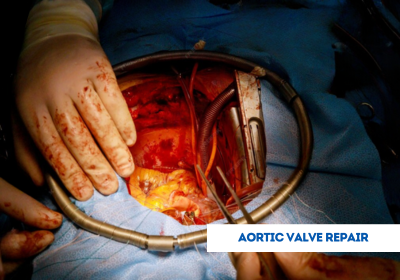
Aortic Valve Repair is a surgical procedure that fixes a malfunctioning aortic valve without fully replacing it. The aortic valve controls blood flow from the left ventricle into the aorta and prevents backward flow. This procedure helps reduce aortic regurgitation (valve leakage) and, in some cases, treats aortic stenosis. With EdhaCare, international patients can access aortic valve repair in India, Turkey, Thailand, Dubai, and other leading countries, guided by experienced cardiologists with full support and assistance throughout the treatment journey.
Aortic Valve Repair – Estimated Cost
The cost of aortic valve repair can vary based on the procedure type (open-heart surgery or minimally invasive repair), hospital facilities, severity of the valve disease, and the expertise of the cardiothoracic surgeons performing the operation. Below are approximate costs for aortic valve repair in India, Turkey, Thailand, and Dubai:
| Country | Approximate Cost |
|---|---|
| India | USD 7,000 – 25,000 |
| Turkey | USD 15,000 – 35,000 |
| Thailand | USD 18,000 – 40,000 |
| Dubai | USD 22,000 – 50,000 |
Note: Above costs for Aortic Valve Repair are estimated. Reach out to EdhaCare for exact cost of Aortic Valve Repair and personalized guidance.
Best Hospitals in India for Aortic Valve Repair
Explore the top hospitals in India for aortic valve repair. These best hospitals for aortic valve repair in India are equipped with advanced cardiac technologies and comprehensive care facilities.
| Hospital Name | Location |
|---|---|
| Fortis Hospital | Delhi |
| Apollo Hospital | Chennai |
| Max Super Speciality Hospital | Delhi |
| Manipal Hospital | Bangalore |
| Nanavati Max Super Speciality Hospital | Mumbai |
Top Doctors in India for Aortic Valve Repair
Meet the top doctors in India for aortic valve repair. These best doctors for aortic valve repair in India are highly experienced who use advanced techniques to perform safe, effective, and successful valve repair procedures.
| Doctor Name | Hospital Name | Location |
|---|---|---|
| Dr. Naresh Trehan | Medanta Hospital | Gurugram |
| Dr. Asim Kr Bardhan | Apollo Hospital | Kolkata |
| Dr. Upendra Kaul | Batra Hospital | Delhi |
| Dr. Cyrus B Wadia | Jaslok Hospital | Mumbai |
| Dr. Prashanth Kr. Ghosh | Apollo Hospital | Delhi |
Who Needs Aortic Valve Repair?
Patients whose aortic valve is damaged can be repaired instead of being replaced. It is not commonly performed as a valve replacement.
Conditions for Aortic Valve Repair
- Aortic regurgitation
- Enlarged aortic roots or ascending aorta
- Congenital valve defects like bicuspid valves
Aortic valve repair becomes important when it shrinks because of the lack of heavy calcification of the leaflets. It is most prevalent among younger patients suffering from congenital stenosis.
Types of Aortic Valve Repair
Different types of aortic valve repair are explained in detail below:
Leaflet Repair
It is a surgical technique that detects and repairs abnormalities in the valve leaflets. This method is typically applied when the valve is not closing properly because of tears, retraction, tissue defects, or prolapse.
Some of the prominent leaflet repair techniques are:
- Resuspension of the prolapsing cusp
- Application for reducing excessive leaflet tissue
- Repairing the patch for closing holes and defects in the leaflet
- During heartbeats, it helps to restore proper coaptation of valve leaflets
Aortic Annuloplasty
It is done when the valve is dilated or enlarged by placing a band around the valve so that the size can be reduced to stabilize the valve. It prevents leakage because of the alignment of the leaflet caused by the annulus stretching.
Replacement of the Aortic Root
It is conducted to stabilize an aneurysm of the aortic root. The techniques used are the replacement of the distorted aortic root with a synthetic graft and the reimplantation of the own valve of the patient inside the graft. It helps to maintain the actual valve of the patient while treating the dilated aortic root.
Extension of the Cusp
A patch is attached to the leaflet so that the surface area can be increased, which improves the mobility and coaptation of the leaflet.
Evaluation and Diagnostics Before Aortic Valve Repair
Before conducting aortic valve repair, a proper evaluation of the clinical methodologies and diagnostic mechanisms is conducted. It includes the following:
- Review of symptoms
- Identification of risk factors and complications
- Echocardiogram (transthoracic echocardiogram and transesophageal echocardiogram)
- MRI and CT scans
- Coronary angiography
Aortic Valve Repair Procedure Planning
Proper planning is essential for ensuring the success and safety of the aortic valve repair.
Multi-Disciplinary Team
A team including an imaging specialist, cardiologist, cardiac surgeon, and anesthesiologist works collaboratively to evaluate the feasibility of repairing the valve. They will also diagnose the surgical risk that the patient is prone to and the requirement for any additional procedure.
Detailing in Diagnostic Imaging
This includes a proper understanding of the purpose behind every modality and treatment available for repairing the aortic valve.
Determination of the Surgical Strategy
Based on the anatomy and diagnosis, the surgeon will plan the type of repair that will be continued. This includes leaflet repair and annuloplasty, extension of the cusp, or valve-sparing replacement of the aortic root.
It also determines the type of incision as well. This means it can be either median sternotomy, which is a traditional approach, or a minimally invasive method like mini-sternotomy.
Preparation Before Aortic Valve Repair Procedure
- Fasting from midnight before the surgery
- Stoppage of the anticoagulants and antiplatelets as per advice
- Monitoring of the prophylactic antibiotics
- Preparation of the blood products as per requirement
- Laboratory baselining and cross-matching
Risks and Potential Complications of Aortic Valve Repair
Although aortic valve repair is safe and effective, like other heart surgeries, it also has some risks and potential complications. These include:
- Bleeding
- Infections like wounds or endocarditis
- Clotting of blood and the
- Probability of stroke occurrence
- Dysfunction or failure of the valve
- Probability of the occurrence of arrhythmias (irregular heartbeats)
- Complications in respiratory activities
- Kidney dysfunction
Recovery After Aortic Valve Repair and Long-Term Care
The recovery plan after the repair of the aortic valve includes:
- Primary-level hospital-recommended healing followed by prescribed home-based recovery and lifelong monitoring of the cardiac condition.
- The first 24 to 48 hours of monitoring of the heart rhythm, oxygenation, and blood pressure in the ICU.
- Management of the pain with pain relief medications.
- Recommended breathing exercises for preventing infections in the lungs.
- Regular walking and monitoring of the surgical incision to avoid any kind of infectious symptoms.
Home Recovery
- After discharge from the hospital, this home recovery phase is the most crucial for the patient, which takes around 6 to 12 weeks.
- In this phase, some activities are restricted, like lifting heavy objects and not driving for approximately 6 weeks.
- Rehabilitation of cardiac activities with supervised exercise and a balanced lifestyle that includes proper nutritious food, like low salt, low fat, and proper hydration.
- Adherence to the medication by focusing on controlling blood pressure, antibiotics, and anti-arrhythmic medication as well.
Success Rate of Aortic Valve Repair in India
The success rate of is reported to be mainly between 94% to 95%, especially if conducted by experienced and dedicated surgeons in high-quality facilities.
Why Choose India for Aortic Valve Repair?
India has emerged as an international destination for advanced care of cardiac surgery care.
- World-class cardiac surgeons are trained in top institutions in India and abroad.
- Many doctors have received a specialization in valve pairing and minimally invasive techniques.
- NABH and JCI-approved hospitals with high infrastructure are available in India.
- Advanced imaging tools (TEE, CT, and 3D echocardiography) are optimized for accuracy.
- In addition to this, there is accessibility to hybrid cardiac cooperative rooms and robotic-assisted surgery as well.
Documents Required for Patients Traveling to India for Aortic Valve Repair Treatment
For international patients contemplating aortic valve repair in India, it is necessary to present certain documentation to have a smooth medical journey. These include:
- Valid Passport: Valid for a minimum of six months after the date you travel.
- Medical Visa (M Visa): Granted by the Indian Embassy/Consulate on medical grounds.
- Invitation Letter from Indian Hospital: A formal letter explaining the course of treatment and how long it will last.
- Recent Medical Records: X-rays, MRIs, blood tests, and a referral note by a doctor in the home country.
- Completed Visa Application Form: With passport-size photographs according to specifications.
- Proof of Means: Bank statements dated in the past few months or health insurance.
- Medical Attendant Visa: Needed for a companion or caregiver traveling with the patient.
It is advisable to refer to the Indian consulate or your medical facilitator for the latest information and help in documentation.
Top Doctors in India for Aortic Valve Repair
Some of the renowned cardiologists in India performing aortic valve repair are:
- , Apollo Hospital, Chennai
- , Indraprastha Apollo Hospital, Delhi
- , Narayana Superspeciality Hospital, Bengaluru
- , Fortis Hospital, Noida
- , Batra Hospital and Medical Research Centre, Delhi
Best Hospitals for Aortic Valve Repair in India
Some famous and well-equipped hospitals providing emerging techniques and medical excellence are listed below:
Frequently Asked Questions (FAQs)
What is the difference between aortic valve repair and valve replacement?
In case of aortic valve repair, the original valve is preserved and repaired, whereas in valve replacement, the original damaged valve is removed and replaced with a biological prosthesis.
What are the common techniques used for repairing valves?
The techniques used for repairing valves are annuloplasty, commissurotomy, and repairing of patch which are relevant to aortic valve repair.
Is minimally invasive or robotic surgery conducted in valve repair?
Yes, both of these techniques are considered in valve repair.
What follow-up is required?
Valve functions are assessed through Periodic echocardiograms. Medications and prescribed lifestyles are recommended as follow-up mechanisms.
What is the sustainability timeline for a repaired aortic valve?
Durability depends on the repair quality and lifestyle of the patient. However, an approximate 10 to 20-year period is recommended.