
- Home
- Treatments
- Diabetes
Angioplasty Surgery
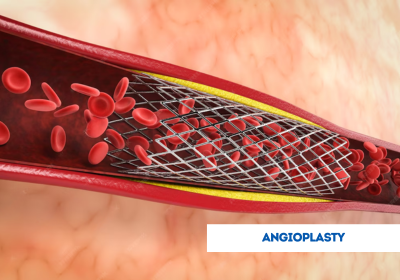
Angioplasty is a minimally invasive procedure that restores blood flow in narrowed or blocked coronary arteries. It is often performed for coronary artery disease (CAD) and plaque buildup. With EdhaCare, international patients can access angioplasty surgery in India, Turkey, Thailand, Dubai, and other leading countries. Expert cardiologists perform the procedure with advanced cardiac facilities. Angioplasty helps relieve chest pain (angina), improve heart function, enhance physical activity, and reduce the risk of heart attacks. EdhaCare provides complete support and assistance throughout the treatment journey.
Angioplasty Surgery – Estimated Cost
The cost of angioplasty surgery can vary based on the procedure type (balloon angioplasty, stent placement, or drug-eluting stents), hospital facilities, severity of the heart condition, and the expertise of the cardiologists performing the intervention. Below are approximate costs for angioplasty surgery in India, Turkey, Thailand, and Dubai:
| Country | Approximate Cost |
|---|---|
| India | USD 3,000 – 12,000 |
| Turkey | USD 7,000 – 18,000 |
| Thailand | USD 8,000 – 20,000 |
| Dubai | USD 10,000 – 25,000 |
Note: Above costs for Angioplasty Surgery are estimated. Reach out to EdhaCare for exact cost of Angioplasty Surgery and personalized guidance.
Best Hospitals in India for Angioplasty Surgery
Explore the top hospitals in India for angioplasty surgery. These best hospitals for angioplasty surgery in India offer advanced treatment options, expert cardiologists, and personalized care to deliver optimal outcomes for heart patients.
| Hospital Name | Location |
|---|---|
| Fortis Hospital | Delhi |
| Apollo Hospital | Chennai |
| Max Super Speciality Hospital | Delhi |
| Manipal Hospital | Bangalore |
| Nanavati Max Super Speciality Hospital | Mumbai |
Top Doctors in India for Angioplasty Surgery
Meet the top doctors in India for angioplasty surgery. These best doctors for angioplasty surgery in India are highly experienced interventional cardiologists who use advanced techniques and modern technology to perform safe and effective angioplasty procedures.
| Doctor Name | Hospital Name | Location |
|---|---|---|
| Dr. Naresh Trehan | Medanta Hospital | Gurugram |
| Dr. Asim Kr Bardhan | Apollo Hospital | Kolkata |
| Dr. Upendra Kaul | Batra Hospital | Delhi |
| Dr. Cyrus B Wadia | Jaslok Hospital | Mumbai |
| Dr. Prashanth Kr. Ghosh | Apollo Hospital | Delhi |
Who Needs Angioplasty Surgery?
Angioplasty is usually prescribed for those diagnosed with blocking narrowing of one or more coronary arteries. Common indications include:
- Constant chest pain (angina) when exerting oneself
- Acute myocardial infarction (heart attack)
- Sudden breathlessness and fatigue due to diminished flow of blood
- Lack of response to the use of drugs or a change in lifestyle
- High-risk coronary artery disease (CAD)
Candidates receive an assessment by cardiologists according to the symptoms, diagnostic test results, and degree of arterial obstruction.
Types of Angioplasty Procedures
There are several angioplasty techniques used depending on the location and the severity and complexity of the arterial blockage:
- Balloon Angioplasty: A catheter with a small balloon is introduced and inflated to expand the artery.
- Stent Placement (Drug-Eluting, or Bare-Metal Stents): A stent is put in place to prop up the artery walls and minimise the likelihood of restenosis.
- Rotational Atherectomy (Rotablation): For calcified or hardened plaques, a small rotating grinder removes the plaque before balloon inflation.
- Laser Angioplasty: Makes use of laser energy to vaporise obstructions before inserting the stent.
Evaluation and Diagnostics Before Angioplasty
As a rule, the following diagnostic and preparatory procedures are taken before angioplasty:
- Electrocardiogram (ECG)
- Echocardiogram
- Stress Test
- Coronary Angiogram
- Blood Tests
- Medical History Review
Patients are encouraged to discontinue some of the medications (e.g., blood thinners) and fast for a couple of hours before the procedure.
Selection and Procedure Planning
A team of interventional cardiologists and cardiac surgeons plans according to the following;
- Number of locations and intensity of obstructions
- The type of stent is appropriate (drug-eluting or bare metal)
- Patient’s global cardiovascular health and co-existing conditions
- Risk assessment for potential complications
- Favour for radial (wrist) or femoral (groin) artery entry
In certain situations, angioplasty may be deferred or eliminated from the treatment plan by performing the coronary artery bypass grafting (CABG) if several arteries are also badly constricted.
Risks & Possible Complications of Angioplasty
Even though angioplasty is safe and minimally invasive, as with any medical process, some risks are associated with it.
Common Complications:
- Haemorrhage or bruising at the catheter site
- Allergic reaction to contrast dye
- Re-narrowing of the artery (restenosis)
- A blood clot that develops in a stent
Rare But Serious Complications:
- Heart attack during/post the procedure
- Stroke
- Damage to the artery
- Irregular heart rhythms
- Kidney damage (from contrast dye)
Such risks are reduced under learned fingers and fully-equipped hospitals.
Angioplasty Success Rate in India
The best hospitals for cardiac problems in India have angioplasty with success rates corresponding to international standards. Key statistics:
- Procedural success rate: Over 98%
- Reduction in angina: 90% of patients experience symptom relief
- Reduced risk of heart attack: Significant drop post-stenting
- Low complication rate: Especially when performed electively
Top Angioplasty Specialists in India
Some of the top angioplasty specialists in India are:
- Dr. Ashok Seth, Fortis Escorts Heart Institute, Delhi
- Dr. Ramakanta Panda, Asian Heart Institute, Mumbai
- , Medanta – The Medicity, Gurugram
- Dr. K. M. Cherian, Frontier Lifeline Hospital, Chennai
- , Manipal Hospitals, Delhi
Best Hospitals for Angioplasty Procedure in India
Some of the best hospitals for angioplasty in India are:
Why Choose India for Angioplasty?
India is one of the leading countries in the world for angioplasty because of a great combination of outstanding care, affordability, and availability.
- World-class interventional cardiologists
- High-tech cath labs that utilise 3D imaging, intravascular ultrasound (IVUS), and optical coherence tomography (OCT)
- Application of approved stents by the FDA, including a variety of types such as biodegradable and drug-eluting stents
- Low cost of treatment as compared with the US, UK, or Gulf countries
- Quick appointments and short wait times
Indian hospitals like Fortis Escorts and Apollo have implemented robot-assisted angioplasty, thus making the procedure more accurate and safer.
Documents Required for Patients
For international patients planning to undergo angioplasty in India, certain documents are required to ensure a hassle-free medical trip. These include:
- Valid Passport: Must be valid for at least six months from the date of travel.
- Medical Visa (M Visa): Issued by the Indian Embassy/Consulate based on medical necessity.
- Invitation Letter from Indian Hospital: A confirmation from the hospital outlining the treatment plan and duration.
- Recent Medical Records: Including X-rays, MRIs, blood reports, and a doctor’s referral from the home country.
- Completed Visa Application Form: Along with passport-size photographs as per specifications.
- Proof of Financial Means: Recent bank statements or health insurance coverage.
- Medical Attendant Visa: Required for a companion or caretaker traveling with the patient.
It’s recommended to consult the Indian consulate or your medical facilitator for updated guidelines and assistance with documentation.
Angioplasty Procedure
Angioplasty is a relatively minimally invasive procedure, and it is normally carried out in a catheterization lab (cath lab) under local anaesthesia and sedation.
- Access: A small cut is made at the wrist or groin of the patient to put in a catheter.
- Guidance: This includes guiding the coronary arteries with the help of fluoroscopy
- Balloon Inflation: A balloon-tipped catheter is filled with air at the point of blockage to open up the artery.
- Stent Placement: A stent made of metal is implanted to ensure that the artery remains open.
- Removal: The catheter is pulled out, and the access site is sealed or dressed.
The procedure does not exceed 30–90 minutes and provides a needed observation for a few hours after it.
Post-Angioplasty Recovery & Long-Term Care
A successful angioplasty is just one of the options for heart disease management. Long-term care is essential for the prevention of recurrence:
- Lifestyle Modifications:
- Low-fat, heart-healthy diet
- Regular physical activity (as advised)
- Quitting smoking
- Stress management
- Medication Adherence:
- Dual antiplatelet therapy (DAPT)
- Cholesterol-lowering drugs (statins)
- Beta-blockers or ACE inhibitors
- Cardiac Rehabilitation: A Structured programme for enhancing heart health and fitness.
- Regular Monitoring: Routine follow-ups, ECG, and lipid profile tests are essential.
How EdhaCare Assists with Angioplasty Procedure in India
guides patients through every step of angioplasty in India, ensuring safe, timely, and stress-free care. We connect you with top cardiologists, recommend advanced hospitals, assist with diagnostics, schedule your procedure, and provide complete support for travel, accommodation, and post-procedure recovery. With EdhaCare, patients experience world-class cardiac care with personalized attention and hassle-free treatment.
Frequently Asked Questions (FAQs)
Is angioplasty a permanent cure?
Angioplasty stops the symptoms and restores the blood supply, but it is not a cure. Lifestyle changes and medication adherence are the key to long-term success.
How much time does it take to recover from angioplasty?
The majority of the patients recover within a week and resume normal livelihoods. It may take a few weeks for the full recovery.
Are stents permanent?
Yes, the majority of the stents are meant to be placed in the body forever, but there are bioresorbable stent alternatives.
Can blockages recur after angioplasty?
Yes, in some cases. Restenosis rates have been highly reduced with the drug-eluting stents.
Can angioplasty be repeated?
Yes. In case blockages recur, another angioplasty can be repeated on a case-by-case basis.