- Home
- Treatments
- Diabetes
Rhinoplasty Surgery
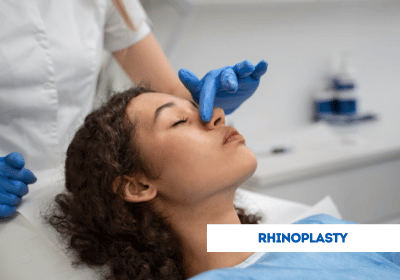
What is Rhinoplasty Surgery?
Rhinoplasty is a surgical procedure that modifies the structure of the nose to improve appearance, correct deformities, or resolve breathing problems caused by nasal abnormalities. Depending on the patient’s goals, it may involve reshaping the nasal bridge, refining the tip, narrowing the nostrils, or correcting internal structures such as the septum (septorhinoplasty).
Rhinoplasty Surgery – Estimated Cost
Below are approximate estimated costs for rhinoplasty surgery in India, Turkey, Thailand, and Dubai:
| Country | Approximate Cost |
|---|---|
| India | USD 2,500 – 6,000 |
| Turkey | USD 4,000 – 7,500 |
| Thailand | USD 4,500 – 8,000 |
| Dubai | USD 6,000 – 10,000 |
Note: These costs for rhinoplasty surgery are approximate. Contact EdhaCare for the exact cost of rhinoplasty surgery in India and personalized treatment plan.
Top-Rated Hospitals in India for Rhinoplasty Surgery
Here are the best hospitals in India for rhinoplasty surgery, recommended by EdhaCare to help you access the best hospitals for rhinoplasty surgery in India equipped with modern facilities, advanced technology, and experienced cosmetic surgery teams.
| Hospital Name | Location |
|---|---|
| Apollo Hospital | Delhi |
| Fortis Hospital | Gurugram |
| Max Super Speciality Hospital | Delhi |
| Kokilaben Dhirubhai Ambani Hospital | Mumbai |
| Manipal Hospital | Bengaluru |
Leading Doctors in India for Rhinoplasty Surgery
Discover the best doctors in India for rhinoplasty surgery, carefully selected by EdhaCare for their expertise and patient-focused care. Connect with the best doctors for rhinoplasty surgery in India to receive safe, advanced, and personalized treatment.
| Doctor Name | Hospital Name | Location |
|---|---|---|
| Dr. Saurabh Kr. Gupta | Jaypee Hospital | Delhi |
| Dr. A.P Selvam | Apollo Hospital | Chennai |
| Dr. Devayani Barve Venkat | Nanavati Hospital | Mumbai |
| Dr. Manik Sharma | Artemis | Gurugram |
| Dr. Aditya Kanoi | AMRI | Kolkata |
Causes That May Require Rhinoplasty Surgery
Doctors may recommend rhinoplasty surgery in India for patients with:
- Aesthetic concerns such as large, crooked, or asymmetrical nose
- Breathing issues due to a deviated septum
- Nasal deformities from injury or birth defects
- Disproportion between the nose and facial features
- Desire for improved facial harmony and confidence
Rhinoplasty helps achieve both cosmetic enhancement and functional correction.
Symptoms or Conditions That Indicate the Need for Surgery
Patients considering nose reshaping surgery in India may experience:
- Difficulty breathing through the nose
- Frequent nasal congestion or snoring
- Nasal bridge hump or irregularities
- Drooping or enlarged nasal tip
- Post-traumatic nasal deformities
A consultation with an ENT or plastic surgeon ensures accurate evaluation and personalized surgical planning.
Diagnosis and Pre-operative Evaluation
Before undergoing rhinoplasty surgery in India, patients receive a detailed assessment including:
- Physical Examination: Evaluation of nasal structure, symmetry, and skin thickness
- Medical History: Review of past nasal surgeries, allergies, and breathing problems
- Imaging Tests: X-rays or CT scans to assess internal nasal structure
- Digital Simulation: Previewing expected aesthetic results
- Customized Plan: Tailored surgical design for optimal cosmetic and functional outcomes
This ensures both safety and satisfaction with the final appearance.
Types of Rhinoplasty Procedures
- Open Rhinoplasty: In this approach, the surgeon makes an incision across the strip of skin between the nostrils, called the columella. This allows the surgeon to lift the skin off the nose, providing a clear view of the underlying structures. It is ideal for more complex changes and provides greater control over shaping the nose. The incision typically heals well and leaves a small, discreet scar.
- Closed Rhinoplasty: This method involves making all incisions inside the nostrils, so there are no visible external scars. It’s less invasive and generally used for less complex adjustments. While it limits visibility of the nasal structures, it can still be effective for many cosmetic and functional improvements.
- Endonasal Rhinoplasty: Similar to closed rhinoplasty, this technique uses incisions inside the nose but may involve specialized tools and techniques to view and reshape the internal structures. It’s used for refining nose shape with minimal external impact.
- Ultrasound-Assisted Rhinoplasty: This newer technique uses ultrasound technology to assist in reshaping the nasal bones. It’s less invasive and can reduce swelling and bruising.
Why Consider Rhinoplasty Surgery?
- Enhanced Appearance: Improve the shape, size, or symmetry of your nose for a more balanced look.
- Boosted Self-Esteem: Achieve a look you’re more confident about, which can positively affect self-image.
- Improved Breathing: Correct structural issues that may be causing breathing problems, making it easier to breathe.
- Correction of Deformities: Fix congenital or traumatic nasal deformities to restore both function and appearance.
- Long-Term Results: Enjoy permanent improvements with proper care, providing lasting satisfaction and enhancement.
Each approach has its benefits and is chosen based on the patient’s specific needs and the complexity of the desired changes.
Risks of Rhinoplasty Surgery
- Infection: There’s a risk of infection at the incision sites, which may require antibiotics to treat.
- Scarring: Although often minimal, there might be some scarring, especially with open rhinoplasty.
- Bleeding: Excessive bleeding can occur during or after the surgery, sometimes needing additional treatment.
- Swelling and Bruising: Swelling and bruising around the eyes and nose are common but usually temporary.
- Breathing Issues: Some people may experience temporary breathing difficulties as the nose heals.
- Unsatisfactory Results: The final appearance may not meet expectations, and revision Nose Job might be needed.
- Numbness: Temporary numbness or altered sensation in the nose is possible.
Benefits of Rhinoplasty Surgery
- Enhanced Appearance: Rhinoplasty can improve the shape, size, and symmetry of your nose, creating a more balanced and aesthetically pleasing look.
- Boosted Confidence: Many people feel more confident and satisfied with their appearance after the Nose Job, which can positively impact self-esteem.
- Improved Function: If you have breathing issues due to nasal structure problems, rhinoplasty can correct these issues, making it easier to breathe.
- Correction of Deformities: The Rhinoplasty Surgery can fix congenital or traumatic deformities, restoring both function and appearance.
- Long-Lasting Results: With proper care, the results of rhinoplasty are permanent, offering a lasting improvement in your nose’s appearance and function.
Treatment Procedure of Rhinoplasty Surgery
The rhinoplasty procedure generally includes:
- Anesthesia: Local or general anesthesia for comfort during surgery.
- Incision: Made inside the nostrils (closed) or across the columella (open).
- Reshaping: Cartilage and bone are sculpted to achieve the desired shape.
- Correction (if needed): Internal structure adjustments improve airflow and breathing.
- Closure: Incisions are closed and a splint is placed to support the new shape.
The surgery usually lasts 1.5–3 hours, depending on the complexity.
Recovery Timeline and Long-Term Care
Time Period | Recovery Details |
First Few Days | Swelling, bruising, and mild pain; pain medication and nasal splints help. |
First Week | Limited activities; avoid bending, heavy lifting, or strenuous exercise. |
2–4 Weeks | Swelling reduces; normal light activities can resume; breathing improves gradually. |
4–6 Weeks | Most swelling resolves; final shape starts to appear; splints removed. |
6 Weeks and Beyond | Full recovery; nose continues subtle healing; follow-ups ensure symmetry and proper healing. |
Why Choose India for Rhinoplasty Surgery?
- Experienced Rhinoplasty Surgeons: Highly skilled and internationally trained plastic surgeons.
- Advanced Medical Facilities: State-of-the-art hospitals with modern technology.
- Affordable Costs: Significantly lower than Western countries without compromising quality.
- Personalized Care: Tailored surgical planning and attentive post-operative care.
- Medical Tourism Support: Packages including travel, stay, and aftercare.
- Natural Results: Focus on achieving balanced, harmonious facial features.
Legal & Ethical Framework
- Ensure informed consent with clear understanding of procedure and risks.
- Maintain confidentiality of medical records.
- Follow medical regulations and licensing requirements.
- Assess patient eligibility: age, health, and psychological readiness.
- Keep detailed documentation of consultations, evaluations, and surgical plans.
Required Documents:
- Photo ID (passport, driver’s license)
- Medical history and test reports
- Signed consent forms
- Allergy and medication details
Top Rhinoplasty Surgeons in India
Surgeon | Hospital | Location |
Dr. Sunil Richardson | Richardsons Face Hospital | Bangalore, Karnataka |
Dr. Vinod Vij | Clinique Aesthetica | Mumbai, Maharashtra |
Dr. Mathew P C | Private Clinic | Kochi, Kerala |
Dr. Parag Telang | S L Raheja Fortis Hospital | Mumbai, Maharashtra |
Dr. Kuldeep Singh | Indraprastha Apollo Hospital | New Delhi |
Best Hospitals for Rhinoplasty in India
Hospital | Location |
Richardsons Face Hospital | Bangalore, Karnataka |
Clinique Aesthetica | Mumbai, Maharashtra |
Private Clinic | Kochi, Kerala |
S L Raheja Fortis Hospital | Mumbai, Maharashtra |
Indraprastha Apollo Hospital | New Delhi |
Rhinoplasty Success Rate in India
Metric | Value |
Overall Success Rate | 90% – 95% |
Patient Satisfaction Rate | 85% – 90% |
Common Complications | Swelling, asymmetry, infection, bleeding |
Infection Rate | 0.1% – 0.2% |
Why Choose EdhaCare for Rhinoplasty Surgery in India?
EdhaCare is a trusted medical tourism company in India, connecting international patients with renowned ENT and plastic surgeons specializing in nose reshaping and reconstruction.
Patients benefit from:
- Expert surgeons experienced in cosmetic and reconstructive rhinoplasty
- Affordable treatment packages with transparent costs
- Support for medical visa, travel, and accommodation
- Personalized surgical planning and digital imaging previews
- Comprehensive post-surgery care and long-term follow-up
With EdhaCare’s rhinoplasty surgery package in India, patients achieve balanced facial aesthetics, improved nasal function, and renewed confidence through advanced, affordable, and compassionate care.
Frequently Asked Questions on Rhinoplasty Surgery
- Can rhinoplasty improve breathing issues?
Yes, rhinoplasty can correct structural problems like a deviated septum, collapsed nasal valves, or enlarged turbinates that cause breathing difficulties. Functional rhinoplasty focuses on restoring proper airflow while maintaining or improving nasal appearance. Many patients experience noticeable improvement in breathing immediately after recovery. Combining functional and cosmetic goals ensures both health and aesthetic benefits.
2. At what age can someone undergo rhinoplasty?
Rhinoplasty is generally recommended for patients whose facial growth is complete, typically after age 16–17 for girls and 17–18 for boys. Performing surgery before full facial development can lead to asymmetry or the need for revision procedures. Surgeons evaluate facial maturity and nasal growth before recommending surgery. Adults of any age can undergo rhinoplasty if they are in good health and have realistic expectations.
3. Will rhinoplasty leave visible scars?
In closed rhinoplasty, all incisions are inside the nostrils, leaving no visible scars. Open rhinoplasty involves a small incision on the columella, which usually heals well and becomes nearly invisible over time. Scar visibility also depends on skin type and proper post-operative care. Skilled surgeons use precise techniques to minimize any noticeable marks.
4. How long does the surgery take?
Rhinoplasty typically takes between 1.5 to 3 hours, depending on the complexity of the procedure. More complex cases, such as revision rhinoplasty or combined functional and cosmetic procedures, may take longer. General anesthesia or IV sedation is commonly used for patient comfort and safety. After surgery, patients usually spend a few hours in a recovery room before being discharged.
5. When will I see the final results?
Initial swelling and bruising generally subside within 2–4 weeks, allowing you to see early results. However, subtle swelling can persist for several months, especially at the tip of the nose. The final nasal shape is usually visible around 6–12 months post-surgery. Regular follow-ups with your surgeon ensure the healing process progresses smoothly and results are satisfactory.