- Home
- Treatments
- Diabetes
Ventricular Septal Defect Treatment
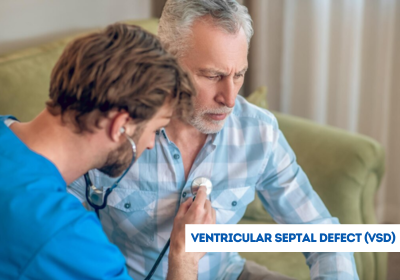
Ventricular septal defect (VSD) is a congenital heart defect where a hole between the ventricles allows oxygen-rich and oxygen-poor blood to mix, making the heart work harder. Symptoms include rapid breathing, poor feeding, fatigue, and in severe cases, heart failure or pulmonary hypertension. Many international patients choose India, Turkey, Thailand, and Dubai for expert care. Patients often search for a doctor for VSD treatment in India. EdhaCare assists with hospital selection, cost estimates, appointments, and full support.
About Ventricular Septal Defect (VSD)
Treatment for VSD depends on the severity of the defect and may include medication, surgery, or a combination of both. Small VSDs may close on their own, while larger defects require surgery to repair or close the hole. To get VSD treatment in India,
Estimated Cost of Ventricular Septal Defect (VSD) Treatment
The cost of ventricular septal defect treatment varies depending on the type of procedure. Below are approximate estimated costs for VSD treatment in India, Turkey, Thailand, and Dubai:
| Country | Approximate Cost |
|---|---|
| India | $5,000 – $15,000 |
| Turkey | $10,000 – $25,000 |
| Thailand | $12,000 – $28,000 |
| Dubai | $15,000 – $35,000 |
Note: The above costs of ventricular septal defect treatment are only estimates and may vary based on procedure type, patient condition, and hospital selection. Reach out to EdhaCare for the exact VSD treatment cost and personalized guidance.
Top Hospitals in India for Ventricular Septal Defect Treatment
EdhaCare presents the top hospitals in India for ventricular septal defect treatment, guiding you to the best hospitals for ventricular septal defect treatment in India that offer advanced pediatric cardiac care, experienced cardiologists, and specialized facilities to effectively manage and repair heart defects.
| Hospital Name | Location |
|---|---|
| Fortis Hospital | Delhi |
| Apollo Hospital | Chennai |
| Max Super Speciality Hospital | Delhi |
| Manipal Hospital | Bangalore |
| Nanavati Max Super Speciality Hospital | Mumbai |
Top Doctors in India for Ventricular Septal Defect Treatment
Connect with top doctors in India for ventricular septal defect treatment through EdhaCare. These specialists are recognized among the best doctors for ventricular septal defect treatment in India, providing expert guidance, personalized care, and advanced techniques to ensure safe and successful outcomes for patients.
| Doctor Name | Hospital Name | Location |
|---|---|---|
| Dr. Naresh Trehan | Medanta Hospital | Gurugram |
| Dr. Asim Kr Bardhan | Apollo Hospital | Kolkata |
| Dr. Upendra Kaul | Batra Hospital | Delhi |
| Dr. Cyrus B Wadia | Jaslok Hospital | Mumbai |
| Dr. Prashanth Kr. Ghosh | Apollo Hospital | Delhi |
Procedure of Ventricular Septal Defect (VSD)
The treatment procedure for Ventricular Septal Defect (VSD) can vary depending on the severity of the condition. In general, there are two main treatment options: medication and surgery.
- Medication: In mild cases of VSD, medication may be used to manage symptoms and prevent complications. Medications may include diuretics, ACE inhibitors, or beta-blockers. These medications help to relieve symptoms such as shortness of breath, fatigue, and swelling.
- Surgery: Surgery is typically recommended for moderate to severe cases of VSD. There are several surgical procedures that may be used to repair VSD, including:
- Open-heart surgery: This is the most common type of surgery for VSD. The surgeon makes an incision in the chest and uses a heart-lung machine to stop the heart and repair the defect. The surgeon then closes the incision using sutures or staples.
- Minimally invasive surgery: This is a newer type of surgery that uses smaller incisions and specialized instruments to repair the defect. This type of surgery may result in less pain and scarring, and a shorter hospital stay.
- Catheter-based procedures: In some cases, a catheter may be used to repair the VSD. This involves inserting a thin, flexible tube into a blood vessel and guiding it to the heart. The catheter is used to deliver a device that seals the opening in the heart.
After surgery, the patient will typically need to stay in the hospital for a few days to a week for recovery. The length of the hospital stay will depend on the type of surgery performed and the individual patient’s needs.
It’s important to note that while surgery can effectively repair VSD, it may not completely eliminate the risk of complications. Regular follow-up appointments with a cardiologist or pediatrician are necessary to monitor the patient’s heart health and address any potential issues.
- Book An Appointment
Other Specilities We Cover
Robotic Heart Bypass Surgery
Heart Bypass Surgery
Coronary Angiography
Top Doctors By Specialty
Top Hospitals By Specialty
Stay Informed
When going through IVF, many couples feel confused about what they should or should not eat. You may…
Undergoing IVF can be both hopeful and emotionally challenging. As fertility specialists, we often h…
Cosmetic injectables have changed the way people approach anti-aging treatments. Among the most popu…