
- Home
- Treatments
- Diabetes
Transcatheter Aortic Valve Implantation
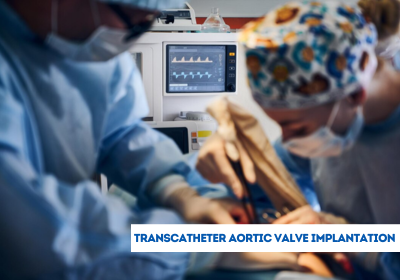
Transcatheter aortic valve replacement (TAVR) treats aortic valve stenosis, where the valve is narrowed and blocks blood flow from the heart. This minimally invasive procedure reduces symptoms like breathlessness and chest pain and is ideal for patients unable to undergo open-heart surgery. Book appointment for transcatheter aortic valve replacement in India, Turkey, Thailand, and Dubai for expert care. Patients often search for a doctor for transcatheter aortic valve replacement in India. EdhaCare assists with hospital selection, cost estimates, appointments, and full support.
About Transcatheter Aortic Valve Implantation
Transcatheter aortic valve implantation is a technique that involves replacing a diseased or narrowed aortic valve with a prosthetic valve. The procedure is typically performed using a catheter-based approach, which means the new valve is inserted through a small incision in the groin or chest and guided to the heart through blood vessels.
TAVI is a routine surgery that is generally painless. A small, flexible tube known as a catheter is inserted into a blood artery in your chest or upper leg and advanced toward your heart’s aortic valve. The purpose of the tube is to secure a new valve on top of your old one. Since evidence indicates that TAVI is at least as beneficial as heart valve surgery after a year, it is being utilized for patients who are at lower risk of problems following heart surgery.
Transcatheter Aortic Valve Implantation (TAVI) – Estimated Cost
The cost of transcatheter aortic valve implantation varies depending on the type of valve used, hospital facilities, surgeon expertise, and post-operative care. Below are approximate estimated costs for TAVI in India, Turkey, Thailand, and Dubai:
| Country | Approximate Cost |
|---|---|
| India | $20,000 – $40,000 |
| Turkey | $35,000 – $60,000 |
| Thailand | $40,000 – $70,000 |
| Dubai | $50,000 – $90,000 |
Note: The above costs of transcatheter aortic valve implantation are only estimates. Reach out to EdhaCare for the exact TAVI cost and personalized guidance.
Top Hospitals in India for Transcatheter Aortic Valve Implantation
EdhaCare features the top hospitals in India for transcatheter aortic valve implantation, guiding you to the best hospitals for transcatheter aortic valve implantation in India that offer advanced cardiac catheterization facilities, expert interventional cardiologists, and comprehensive care for minimally invasive valve replacement.
| Hospital Name | Location |
|---|---|
| Fortis Hospital | Delhi |
| Apollo Hospital | Chennai |
| Max Super Speciality Hospital | Delhi |
| Manipal Hospital | Bangalore |
| Nanavati Max Super Speciality Hospital | Mumbai |
Top Doctors in India for Transcatheter Aortic Valve Implantation
Connect with top doctors in India for transcatheter aortic valve implantation through EdhaCare. These specialists are recognized among the best doctors for transcatheter aortic valve implantation in India, providing expert guidance and advanced techniques to ensure safe, effective, and long-lasting valve implantation outcomes.
| Doctor Name | Hospital Name | Location |
|---|---|---|
| Dr. Naresh Trehan | Medanta Hospital | Gurugram |
| Dr. Asim Kr Bardhan | Apollo Hospital | Kolkata |
| Dr. Upendra Kaul | Batra Hospital | Delhi |
| Dr. Cyrus B Wadia | Jaslok Hospital | Mumbai |
| Dr. Prashanth Kr. Ghosh | Apollo Hospital | Delhi |
Procedure of Transcatheter Aortic Valve Implantation
Pre-procedural Assessment: Before undergoing TAVI, patients undergo a thorough evaluation to determine their suitability for the procedure. This includes a comprehensive medical history review, physical examination, imaging tests (such as echocardiography and computed tomography), and other cardiac assessments.
Anesthesia and Access: TAVI is typically performed under general anaesthesia. Access to the aorta is gained through a small incision in the groin or chest. The chosen access site depends on the patient’s anatomy, physician preference, and the specific TAVI technique being utilised.
Valve Placement: A specialised catheter, containing a folded prosthetic valve, is advanced through the access vessel to the site of the diseased aortic valve. The prosthetic valve is carefully positioned and deployed within the native valve. Different valve designs may use different deployment mechanisms, such as balloon expansion or self-expanding frameworks.
Valve Deployment and Evaluation: Once the prosthetic valve is correctly positioned, it is expanded or self-expanded, depending on the type of valve used. The expanded valve pushes aside the native valve leaflets, effectively replacing the diseased valve. The position and function of the newly implanted valve are assessed through various imaging techniques, ensuring optimal performance and proper sealing.
Post-procedural Care: After the procedure, patients are closely monitored in a specialised cardiac care unit. Medications may be prescribed to manage pain, prevent infection, and prevent blood clots. Regular follow-up visits are essential to assess the functioning of the implanted valve, monitor recovery, and ensure long-term success.