- Home
- Treatments
- Diabetes
Brain Cancer
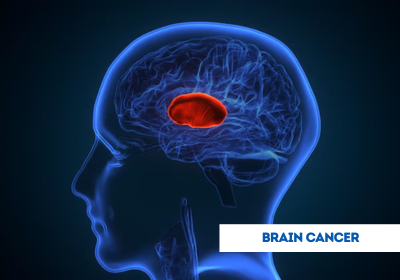
Brain cancer is a condition in which abnormal cells grow uncontrollably in the brain, forming tumors that can affect vital functions such as speech, memory, vision, and motor skills. Tumors can be malignant or benign, and malignant ones may develop in the brain or spread from other parts of the body. With EdhaCare, international patients can access brain cancer treatment in India, Turkey, Thailand, Dubai, and other countries, through doctors providing precise, skilled, and outcome-focused care.
Who Needs Brain Cancer Treatment?
Brain cancer or brain tumor patients may need urgent treatment upon developing the following symptoms:
- Persistent headaches
- Seizures
- Sudden vision problems
- Speech difficulties
- Weakness or numbness in limbs
- Cognitive impairments or behavioral changes
- Imaging results (MRI/CT scan) with the indication of tumor presence
Brain cancer can be treated only in the following cases:
- Patients with malignant tumors or rapidly growing tumors were treated.
- People with tumors that cause pressure on important regions of the brain.
- High-risk patients with a credible risk of neurologic injury or dysfunction.
- Recurrent or metastatic brain tumors
Types of Brain Cancer Treatment Procedures
The treatment plan for brain cancer also differs from one type or grade to another and from one location to another. Common procedures include:
Surgery
- Craniotomy: The removal of tumors by surgery, under which a portion of the skull is removed temporarily – the most common type of surgery.
- Minimally Invasive Neurosurgery: Includes fewer incisions, less trauma, and a faster recovery.
- Endoscopic Surgery: For use in deep or difficult-to-treat tumors using an endoscope.
Radiation Therapy
- External Beam Radiation: Brings the radiation to bear on the tumor from an external position.
- Stereotactic Radiosurgery (for instance: Gamma Knife, CyberKnife): High precision radiation with minimal injury to the surrounding tissue.
Chemotherapy
- Consists of the use of drugs to kill cancer cells, commonly coupled with other methods.
- Given orally via intravenous or injected directly into the cerebrospinal fluid.
Targeted Therapy
- Uses drugs that are specific to the mutations of genes or proteins in the cancerous cells.
Immunotherapy
- A new method that seeks to increase the immune system of the body to fight cancer.
Pre-Surgery Evaluation and Diagnostics
There is a need for a thorough evaluation before going ahead with surgery or any treatment:
- Neurological Exam: Examinations related to the evaluation of mental status, coordination, reflexes, and muscle strength.
- Imaging Tests: MRI, CT scan, PET scan, or MR spectroscopy help to locate and define the tumor properties.
- Biopsy: A sample of tissue is taken to identify the nature of the tumor, i.e., either benign or malignant.
- Blood Tests: Assess overall health as well as organ function.
- Neurocognitive Assessment: Tests to establish how the tumor impacts the functioning of the brain.
- Genetic/Molecular Testing: Helps personalize treatment options.
Selection and Surgical/Procedure Planning
Treatment planning is made by a multidisciplinary team comprising neurosurgeons, oncologists, and radiologists. The process includes:
- Assessing the size, location, as well as the type of tumor
- Evaluating the age, health, and functional status of a patient
- Stimulating proper surgical or nonsurgical treatment.
- Mapping the brain function using functional MRI to ensure precise surgery.
- Adjuvant therapy planning (radiation or chemotherapy)
- Simulation of surgical approach by using computer-assisted technologies.
Brain Cancer Surgery Procedure
General Procedures of Brain Tumor Surgery:
- Anesthesia: General anesthesia is administered.
- Craniotomy: A part of the skull is taken out.
- Tumor Resection: The tumor is excised as dexterously as possible, whereby no unwanted damage to normal brain tissue is done.
- Closure: The replaced skull and the incision are stitched.
On some occasions, awake brain surgery is done, and the patient is awake so as to minimize critical brain functions.
High-end techniques such as intraoperative MRI, neuronavigation, and fluorescence-guided surgery improve accuracy.
Risks & Potential Complications of Brain Cancer Treatment
Although advanced techniques minimize risks, possible complications can be as follows:
- Infection
- Bleeding or hematoma
- Brain swelling
- Seizures
- Neurological deficits (speech, vision, memory)
- Cognitive or behavioral changes
- Stroke or blood clots
What to Expect After Brain Cancer Surgery?
After surgery, patients may expect:
- ICU monitoring for the first 24-48 hours
- Imaging tests to evaluate surgical success
- Pain and swelling management
- Physiotherapy to regain motor skills
- Speech and occupational therapy, if needed
- Hospital stay of 5–7 days, depending on the surgery and recovery
Post-Surgery Recovery & Long-Term Care
Recovery depends on tumor type, surgical outcome, and additional treatments:
- Physical Rehabilitation: Helps restore mobility and strength
- Speech & Occupational Therapy: For language, memory, or coordination issues
- Medication: Anti-seizure, steroids, and pain medications
- Regular Follow-Ups: Imaging to check for recurrence or complications
- Adjuvant Therapy: Continued chemotherapy or radiation therapy
- Emotional & Mental Health Support: Counseling and support groups
Brain Cancer Treatment Success Rate in India
India has seen significant advancements in brain cancer treatment with success rates ranging from 70% to 90%, depending on:
- Tumor type and grade
- Stage at diagnosis
- Patient age and general health
- Treatment approach and hospital infrastructure
Low-grade gliomas have a much higher survival rate compared to high-grade or metastatic tumors.
Cost of Brain Cancer Treatment in India
The cost of brain cancer treatment in India can vary widely depending on factors such as the type of treatment required, the hospital, and the city. Major metropolitan areas have higher costs due to advanced facilities and specialist availability. Additionally, ongoing follow-up care and medication can contribute to long-term expenses.
| Type of Treatment | Cost |
| Craniotomy | USD 4000 – USD 5500 |
| Gamma Knife | USD 3,500 – USD 5,000 |
| CyberKnife | USD 4,500 – USD 6,500 |
| Chemotherapy | USD 600 – USD 800 per session |
| Immunotherapy | USD 2,000 – USD 6,000 per cycle |
It’s advisable to explore various hospitals and financial assistance programs to help manage these costs.
Why Choose India for Brain Cancer Treatment?
India offers high-quality, affordable, and advanced brain cancer treatment with several advantages:
- Availability of Gamma Knife, CyberKnife, and neuronavigation systems
- Access to intraoperative MRI and awake brain surgery
- Highly skilled neurosurgeons and oncologists
- Cost-effective treatment compared to Western countries
- Comprehensive support for international patients, including visa, accommodation, and translation services
Milestone: AIIMS, Mumbai, successfully performed India’s first awake craniotomy on a pregnant woman, showcasing the country’s surgical prowess.
Required Documents for Patients Traveling to India for Brain Cancer Treatment
For international patients planning to undergo brain cancer treatment in India, certain documents are required to ensure a hassle-free medical trip. These include:
- Valid Passport: Must be valid for at least six months from the date of travel.
- Medical Visa (M Visa): Issued by the Indian Embassy/Consulate based on medical necessity.
- Invitation Letter from Indian Hospital: A confirmation from the hospital outlining the treatment plan and duration.
- Recent Medical Records: Including X-rays, MRIs, blood reports, and a doctor’s referral from the home country.
- Completed Visa Application Form: Along with passport-size photographs as per specifications.
- Proof of Financial Means: Recent bank statements or health insurance coverage.
- Medical Attendant Visa: Required for a companion or caretaker traveling with the patient.
It’s recommended to consult the Indian consulate or your medical facilitator for updated guidelines and assistance with documentation.
Top Brain Cancer Surgeons in India
Here is a list of the top brain cancer surgeons in the country today.
- – Artemis Hospital, Gurugram
- – Marengo CIMS Hospital, Ahmedabad
- Dr. Anil Kumar Kansal – BLK Max Super Speciality Hospital, New Delhi
- Dr. Rajan Shah – Nanavati Max Hospital, Mumbai
- – Dr. Rela Institute and Medical Centre Hospital, Chennai
Best Hospitals for Brain Cancer Treatment in India
Here are some of the top hospitals for brain cancer treatment in the country, offering advanced facilities and specialist treatments.
- KIMS Hospitals – Secunderabad, Thane (various locations)
Edhacare: Trusted Medical Tourism Company for Brain Cancer Treatment in India
Brain cancer treatment requires specialized neurosurgeons, advanced technology, and ongoing care. , a leading medical tourism company for brain cancer treatment in India, connects patients with renowned hospitals for brain cancer treatment. Offering affordable brain cancer treatment cost in India, patients benefit from a complete brain cancer treatment package. Through a reliable medical tourism package for brain cancer treatment, EdhaCare ensures compassionate support from diagnosis to post-treatment recovery.
Frequently Asked Questions on Brain Cancer
1. Can brain cancer be completely cured?
It depends on the type, size, and location of the tumor. Some benign tumors and low-grade cancers can be treated successfully.
2. How long is the recovery period after brain cancer surgery?
Initial recovery takes 4–6 weeks. Full neurological recovery may take several months.
3. What are the early signs of brain cancer?
Persistent headaches, vision problems, nausea, and unexplained behavioral changes are common signs.
4. Is brain cancer treatment painful?
Surgery is performed under anesthesia. Post-operative pain is managed with medication.
5. Can I work after brain tumor surgery?
Yes, many patients return to work, although the timeline depends on recovery and job type.