
- Home
- Treatments
- Diabetes
Pancreatic Cancer
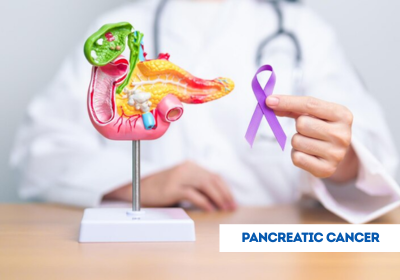
Pancreatic cancer is a serious condition in which abnormal cells in the pancreas grow uncontrollably, forming a malignant tumor. The pancreas, located behind the stomach, aids digestion and blood sugar regulation. Often detected at a late stage, symptoms include jaundice, weight loss, abdominal or back pain, loss of appetite, nausea, and new-onset diabetes. With EdhaCare, international patients can access pancreatic cancer treatment in India, Turkey, Thailand, Dubai, and other countries, by doctors providing precise, advanced, and personalized care.
Who Needs Pancreatic Cancer Surgery?
Surgery is the only potential curative treatment for pancreatic cancer, but not every patient is eligible. It is recommended mainly when:
- Cancer is localized – confined to the pancreas and nearby structures without spreading extensively.
- Tumour is resectable – surgeons can safely remove it without severely affecting surrounding blood vessels or vital organs.
- Patient is healthy enough – surgery is a major procedure, so the patient must be fit enough to withstand it.
Candidates who may need pancreatic surgery include:
- Patients with early-stage pancreatic cancer (Stage I or II).
- Some with borderline resectable tumours, where surgery is combined with chemotherapy/radiation to shrink the tumour before removal.
- Patients with pre-cancerous conditions (like pancreatic cysts or intraductal papillary mucinous neoplasms – IPMNs) that have a high risk of turning cancerous.
- Select patients with neuroendocrine tumours of the pancreas.
Types of Pancreatic Cancer
- Exocrine Tumours (most common):
- Adenocarcinoma – starts in ducts, >90% cases.
- Acinar cell carcinoma – rare, enzyme-producing cells.
- Cystic tumours (MCN, IPMN) – fluid-filled, may become cancerous.
- Solid pseudopapillary tumour – rare, slow-growing.
- Endocrine Tumors (Neuroendocrine / PNETs):
- Functional (hormone-producing): Insulinoma, Gastrinoma, Glucagonoma, VIPoma, Somatostatinoma.
- Non-functional: Do not make hormones, usually detected late.
Recovery Timeline
Postoperative Care
- Enzyme supplements & insulin may be needed.
- Gradual return to diet and activity (IV fluids → soft foods → normal activity).
Cost Comparison
Surgery Type | Indian Cost Range (₹) |
Whipple Procedure | ₹3.5 l–₹8 l (general); up to ₹12 l in metro/private setup |
Distal Pancreatectomy | ₹3 l–₹10 l |
Total Pancreatectomy | ₹3.33 l–₹10 l |
Full Treatment Package (incl. diagnostics & therapy) | ₹6 l–₹20 l+ depending on complexity |
Why Choose India for Pancreatic Cancer Surgery?
India is a top destination for pancreatic cancer treatment due to:
- Expert Surgeons – Highly skilled specialists in Whipple and other complex surgeries.
- Advanced Hospitals – JCI/NABH-accredited centres with robotic surgery, PET-CT, and modern ICUs.
- Affordable Costs – Up to 70–80% cheaper than the US/UK, with no compromise on quality.
- Quick Access – Minimal waiting time and fast-track procedures.
- Comprehensive Care – Multidisciplinary teams, personalized treatment, and holistic recovery support.
- Global Standards – International guidelines (NCCN/ESMO) followed for best outcomes.
Pre-Surgery Evaluation & Diagnostics:
- Clinical Check: Medical history, symptoms, risk factors.
- Blood Tests: LFTs, CA 19-9 tumour marker, CBC, kidney/liver function.
- Imaging: CT scan (main), MRI/MRCP, Endoscopic Ultrasound (EUS), and PET if needed.
- Biopsy: EUS-FNA or ERCP biopsy for confirmation.
- Staging: TNM system, assess if tumour is resectable or not.
- Fitness Tests: Heart, lungs, nutrition, anaesthesia clearance.
- Prosthesis Selection and Surgical Planning in Pancreatic Cancer
Prosthesis Selection and Surgical Planning in Pancreatic Cancer
Surgical Options:
- Whipple Procedure (Pancreaticoduodenectomy) – head of pancreas + duodenum.
- Distal Pancreatectomy – body/tail ± spleen.
- Total Pancreatectomy – entire pancreas (rare).
Prosthesis Use:
- Vascular grafts/prostheses – if major veins resected.
- Biliary stents – for bile duct obstruction.
- Mesh/biological prosthesis – if abdominal wall needs support.
Planning Steps:
- Patient assessment – stage, fitness, nutrition.
- Imaging – CT/MRI/EUS for tumor mapping.
- Pre-op – stenting, nutrition, neoadjuvant therapy (if needed).
- Intra-op – plan resection & reconstruction, keep grafts ready.
- Post-op – monitor complications, give enzyme replacement, and manage diabetes.
Legal & Ethical Framework
Informed consent, patient confidentiality, and adherence to medical ethics and national health regulations are essential for pancreatic cancer surgery.
Required Documents
Basic medical records, diagnostic reports, and physician referrals (additional documents only needed for international travel/visa).
Pancreatic Surgery procedure
- Whipple Procedure (Pancreaticoduodenectomy)
- When used: For tumours in the head or neck of the pancreas.
- What it involves:
- Removal of the head of the pancreas, part of the duodenum (small intestine), gallbladder, bile duct, and sometimes part of the stomach.
- Reconstruction: The remaining pancreas, bile duct, and stomach are attached to the small intestine to allow digestion.
- Most common surgery for pancreatic cancer.
- Distal Pancreatectomy
- When used: For tumours in the body or tail of the pancreas.
- What it involves:
- Removal of the body and tail of the pancreas.
- Often the spleen is also removed (splenectomy) because it shares blood vessels with the pancreas.
- Total Pancreatectomy
- When used: If cancer involves the entire pancreas.
- What it involves:
- Removal of the whole pancreas, gallbladder, bile duct, parts of the stomach and small intestine, and the spleen.
- Consequence: Patients lose the ability to make insulin → will need lifelong insulin therapy (diabetes management).
- Palliative Surgery / Bypass Procedures
If the tumour cannot be removed (unresectable), surgery may still relieve symptoms:
- Biliary Bypass – rerouting bile flow around a blocked duct.
- Gastric Bypass – if tumour blocks the stomach outlet.
- Stent Placement – minimally invasive alternative to bypass.
General Surgical Steps
- Pre-operative assessment: Imaging (CT, MRI, PET), biopsy, blood tests, fitness evaluation.
- Anaesthesia: Surgery is performed under general anaesthesia.
- Tumour Resection: The surgeon removes the cancerous portion with surrounding tissue.
- Reconstruction: Digestive tract and bile flow are reconnected.
- Post-operative care: ICU monitoring, pain management, antibiotics, gradual return to eating.
Risks & Considerations
- Bleeding, infection, leakage at reconnection sites.
- Delayed gastric emptying.
- Diabetes or digestive enzyme deficiency (may require pancreatic enzyme supplements).
- Recovery: 6–8 weeks, with close follow-up.
Risk and Potential Complications
Common Risks
- Bleeding, infection, blood clots, anaesthesia complications.
Pancreatic Surgery–Specific Risks
- Pancreatic fistula – leakage of pancreatic fluid.
- Delayed gastric emptying – nausea, vomiting, slow digestion.
- Injury to nearby organs – bile ducts, intestines, or blood vessels.
- Digestive issues – enzyme deficiency, weight loss, diarrhoea.
- Diabetes – due to loss of insulin-producing cells.
Long-Term Risks
- Nutritional deficiencies, strictures, hernias, cancer recurrence.
- Mortality: <5% in specialized centres; complications may occur in 30–50% of patients.
What to Expect After Pancreatic Cancer Surgery
Immediately After Surgery
- Hospital stay: 7–14 days; possible ICU for 1–2 days.
- Pain managed with medication.
- IV fluids, gradual reintroduction of food.
- Temporary drains or tubes may be in place.
First Few Weeks
- Light walking encouraged.
- Gradual diet progression: liquids → soft → regular food.
- Monitor surgical site for infection.
- Blood tests to check pancreas and blood sugar.
Potential Complications
- Infection, delayed stomach emptying, pancreatic leakage.
- Digestive issues or diabetes if pancreas function is affected.
Long-Term Recovery
- Regular follow-ups and scans.
- Pancreatic enzyme supplements if needed.
- Small, frequent meals; gradual return to activity.
- Emotional support via counselling or support groups.
Post-Surgery Recovery and Long-Term Care
- Hospital Stay: Usually 7–14 days; monitored for complications.
- Pain & Medications: Pain managed with medications; antibiotics if needed.
- Nutrition: Start with liquids, then progress to soft/regular foods; may need enzyme supplements.
- Activity: Light walking early to prevent blood clots; gradually increase activity.
- Monitoring: Blood tests for pancreas function, blood sugar, and healing.
- Possible Complications: Infection, delayed gastric emptying, pancreatic leaks, digestive issues, or diabetes.
Long-Term Care
- Follow-Up: Regular visits with surgeon and oncologist; imaging and lab tests.
- Diet & Digestion: Small, frequent meals; low-fat diet; pancreatic enzyme supplements if needed.
- Lifestyle: Gradual return to normal activity; maintain healthy weight and hydration.
- Emotional Support: Counselling or support groups to manage stress, anxiety, or depression.
- Medication Management: Ongoing enzyme replacement, insulin if diabetes develops, or pain management.
Pancreatic Cancer Surgery Cost in India
Procedure / Treatment | Estimated Cost Range (₹ INR) |
Whipple Procedure (basic) | ₹1,50,000 – ₹8,00,000 (some up to ₹12L) |
Whipple (premium levels) | ₹3,50,000 – ₹12,00,000 |
Distal Pancreatectomy / Resection | ₹3,00,000 – ₹10,00,000 |
Total Pancreatectomy | ₹3,33,000 – ₹10,00,000 |
Frey’s Procedure (Chronic Pancreatitis) | ₹4,00,000 – ₹10,00,000 |
Pancreas Transplant | ₹9,50,000 – ₹25,00,000 |
Comprehensive Pancreatic Cancer Treatment | ₹6,50,000 – ₹9,50,000 average; up to ₹20L+ |
Top Pancreatic Surgeons in India
Doctor | Hospital | City |
Max Super Specialty Hospital | Delhi | |
BLK-Max Super Speciality Hospital | New Delhi | |
BLK-Max Super Speciality Hospital | New Delhi | |
Nanavati Max Super Specialty Hospital | Mumbai | |
Apollo Hospitals | Bengaluru |
Best Hospitals for Pancreatic Cancer Surgery in India
Hospital | Location |
Medanta – The Medicity | Gurgaon (NCR) |
Apollo Hospitals | Chennai |
Max Super Speciality Hospital | New Delhi |
Fortis Memorial Research Institute | Gurgaon (NCR) |
Tata Memorial Centre | Mumbai |
Edhacare: Trusted Medical Tourism Company for Pancratic Cancer Treatment in India
Recovering from pancreatic cancer surgery takes time, regular check-ups, and lifestyle changes. With the right care—such as pain control, diet support, and emotional guidance—patients can slowly return to normal life. Regular monitoring and following doctor’s advice are important to avoid complications. , a trusted medical tourism company for pancreatic cancer in India, supports international patients with treatment, recovery stay, visa help, and travel assistance. Through a complete medical tourism package for pancreatic cancer treatment, EdhaCare ensures patients receive the best care and comfort at every step.
Frequently Asked Questions on Pancratic Cancer Surgery
- How long is the recovery period after pancreatic cancer surgery?
Recovery usually takes several weeks to months depending on the type of surgery and overall health. Most patients stay in the hospital for 7–14 days. During this time, doctors monitor for complications and manage pain. Full recovery may take 2–3 months before normal activities can resume.
- What dietary changes are needed after surgery?
Patients often start with liquids and gradually move to soft and then regular foods. Small, frequent meals are recommended to aid digestion. Some may need pancreatic enzyme supplements to help absorb nutrients. A low-fat diet may also reduce digestive discomfort.
- What complications should I watch for after surgery?
Common complications include infection, delayed stomach emptying, pancreatic leaks, and digestive issues. Blood sugar changes or diabetes may occur if a large portion of the pancreas is removed. Any severe abdominal pain, fever, or unusual discharge should be reported to a doctor. Early detection helps prevent serious problems.
- How often should I follow up with my doctor?
Follow-ups are usually scheduled every few weeks initially, then every few months as recovery progresses. Doctors check blood tests, imaging scans, and overall healing. These visits help detect recurrence or complications early. Adhering to the schedule is essential for long-term health.
- Can I return to normal activities after surgery?
Light activities and walking are encouraged soon after surgery to aid recovery. Strenuous work or exercise should be resumed gradually as advised by your doctor. Fatigue may persist for weeks or months. With time, most patients regain strength and can resume daily routines with modifications if needed.